
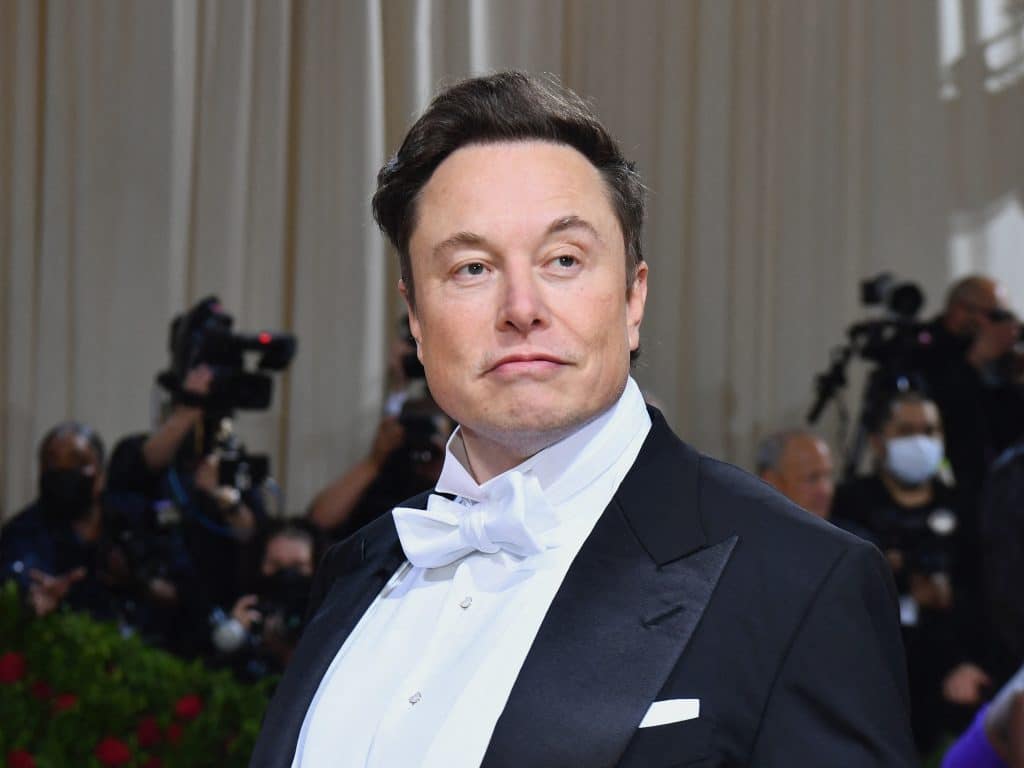


Tesla’s board has approved a $29 billion stock award for CEO Elon Musk, following a U.S. court’s rejection of his previous $56 billion compensation package.
According to a financial filing released Monday, Musk will pay $2 billion to acquire 96 million Tesla shares at the price set in his 2018 pay agreement — a deal currently under appeal after a Delaware judge invalidated it in 2024. The new award is based on a recommendation from a special committee of the board.
In a shareholder letter accompanying the filing, committee members Robyn Denholm, Tesla’s chair, and director Kathleen Wilson-Thompson described the move as a “good faith” gesture to acknowledge Musk’s contributions.
“To recognise what Elon has accomplished and the extraordinary value he delivered to Tesla and our shareholders, we believe we must take action to honour the bargain that was struck in 2018,” they wrote. “After all, ‘a deal is a deal’.”
The directors said they had taken into account feedback from investors, including posts on X, the social media platform owned by Musk.
“From those communications, we know that one of your top concerns is keeping Elon’s energies focused on Tesla,” they wrote. “This award is a critical first step toward achieving that goal.”
Musk remains deeply involved in multiple ventures beyond Tesla, including SpaceX, X, the AI startup xAI, and Neuralink, his brain-interface company. His increasing involvement in Republican politics — including a now-strained relationship with President Trump — has also sparked concern among some Tesla shareholders, who fear brand damage and political backlash.
Dan Ives, analyst at Wedbush Securities, said the stock award could ease pressure on Tesla shares: “Musk remains Tesla’s big asset.”
The new share grant increases Musk’s ownership stake in Tesla from 13% to about 15%, and is valued at approximately $29 billion based on Friday’s closing price. Musk’s total net worth now stands around $350 billion, according to the Bloomberg Billionaires Index.
Over the past year, Musk’s political activities have alienated some buyers, especially left-leaning consumers. A recent S&P Global Mobility survey shared with Reuters showed Tesla’s customer loyalty has declined sharply. In March, just 49.9% of Tesla households returning to the car market bought another Tesla — down from 73% in June 2024. The rate recovered slightly to 57.4% by May 2025.
“This fall was unprecedented,” said Tom Libby, an S&P analyst. “I’ve never seen this rapid a decline in such a short period of time.”
Tesla, now increasingly focused on robotaxis and AI-driven robotics, is positioning itself as more than a carmaker — a shift Musk says requires him to maintain greater control over the company. The new stock award is structured to gradually boost his voting power, which he and many investors view as crucial for Tesla’s long-term vision.
“While we recognise Elon’s business ventures, interests and other potential demands on his time and attention are extensive and wide-ranging … we are confident that this award will incentivise Elon to remain at Tesla,” Denholm and Wilson-Thompson wrote.

 Pump Radar
 Stock Alerts