


Air India has successfully completed precautionary inspections of the fuel control switch (FCS) locking mechanisms across its Boeing 787-8 fleet, reporting no irregularities. The checks followed a directive issued by India’s aviation regulator, the Directorate General of Civil Aviation (DGCA), in the aftermath of the tragic Ahmedabad crash that claimed 260 lives.
The DGCA’s mandate, issued on Monday, required airlines to inspect the FCS system on specific Boeing aircraft by July 21. It was prompted by the Aircraft Accident Investigation Bureau’s (AAIB) findings into the Ahmedabad crash, which revealed that both engines on the Boeing 787-8 lost power seconds after takeoff. The cause was traced to the accidental activation of both fuel cutoff switches within a one-second interval.
“All our Boeing 787-8 aircraft have undergone throttle control module (TCM) replacement as per the Boeing maintenance schedule. The FCS is part of this module,” an Air India official confirmed.
“Over the weekend, our Engineering team initiated precautionary inspections on the locking mechanism of Fuel Control Switch (FCS) on all our Boeing 787 aircraft. The inspections have been completed and no issues were found,” the official added, referencing an internal message sent to Air India pilots.
The FCS plays a vital role in regulating fuel flow to the aircraft’s engines. The AAIB’s preliminary crash report, released Saturday, explained that the switches for both engines were inadvertently flipped from the ‘run’ to ‘cutoff’ position in rapid succession, causing an immediate loss of thrust and confusion in the cockpit. The aircraft crashed 32 seconds after takeoff, with the ram air turbine (RAT) pump automatically deploying to supply emergency hydraulic power.
Air India had not previously completed inspections based on a December 2018 bulletin issued by the U.S. Federal Aviation Administration (FAA), which highlighted the risk of unintended disengagement of the FCS locking feature. The FAA bulletin, however, was classified as “non-mandatory.”
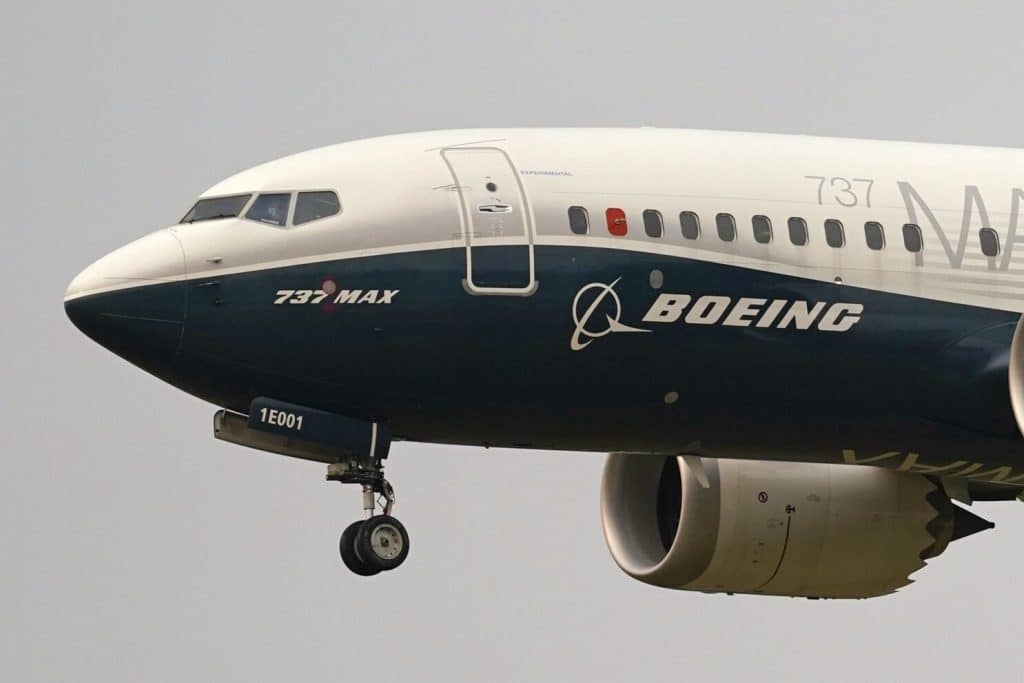
The design of the FCS locking mechanism—including the version marked with part number ‘4TL837-3D’ used on the downed 787-8—is consistent across several Boeing aircraft types. Air India Express had also recently completed similar inspections on most of its Boeing 737 Max aircraft, with no issues reported, following a separate DGCA directive tied to that FAA advisory.
As the AAIB’s report underscored, the incident has reignited scrutiny around safety protocols, training, and compliance with international safety notices. The global pilots’ association has since called for a fair and thorough investigation, rejecting what it described as premature blame directed at the flight crew.


 Pump Radar
 Stock Alerts