
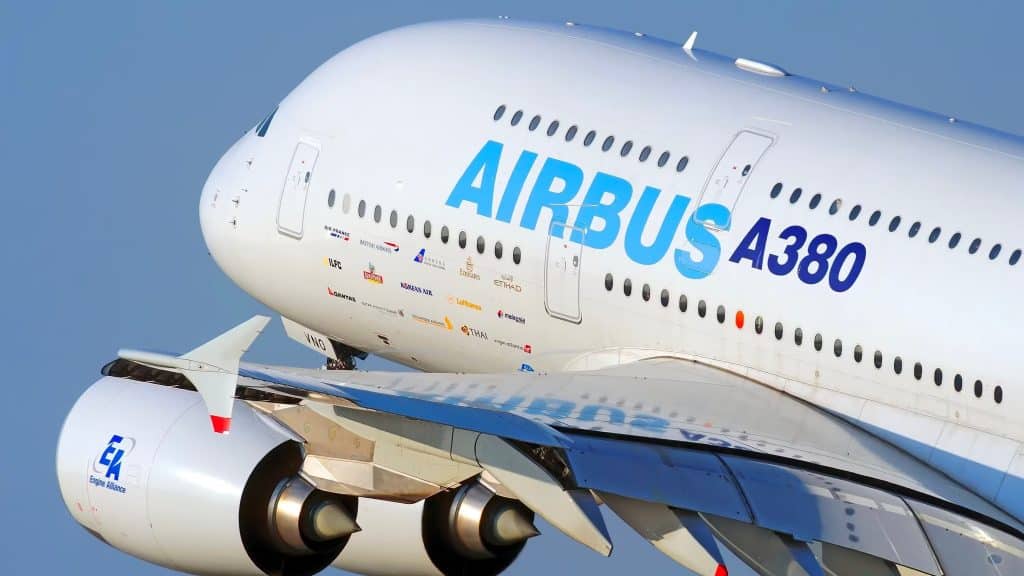


Airbus signed a major agreement with budget carrier VietJet for up to 150 single-aisle jets at the Paris Airshow on Tuesday, a day marked by renewed optimism over the possible return of tariff-free trade in aviation, fueled by comments from U.S. Transport Secretary Sean Duffy.
Duffy signaled that the Trump administration may be open to reinstating the 1979 zero-tariff civil aviation agreement, saying, “Now, again, you look at what free trade has done for aviation. It’s been remarkable for them. It’s a great space of net exporters.” He added, “And so the White House understands that, but if you go over there and you see the moving parts of what they’re dealing with, it is pretty intense and it’s a lot.”
Despite recognizing the importance of aerospace exports, Duffy noted the administration is juggling a complex set of tariff-related challenges.
The aviation sector has been hit hard by President Donald Trump’s broad 10% import tariffs, compounding existing supply chain struggles and recent disruptions, including last week’s deadly Air India crash and growing conflict in the Middle East.
In early May, the U.S. Commerce Department initiated a “Section 232” national security probe into imports of aircraft, jet engines, and components—potentially setting the stage for even higher tariffs. Industry players, including airlines, manufacturers, and U.S. trade allies, have been lobbying for a return to the 1979 tariff-free framework.
On the second day of the air show, Airbus inked a provisional agreement with VietJet to deliver 100 A321neo aircraft, with an option for 50 more down the line.
Vietnam’s largest private airline currently operates an all-Airbus fleet, apart from two Chinese-built regional jets, and has yet to take delivery of any of the roughly 200 MAX aircraft ordered from Boeing.
Airbus dominates Vietnam’s aviation landscape, accounting for 86% of the aircraft flown by Vietnamese carriers. However, the U.S. has been pressuring Vietnam to increase its purchases of American-made goods.
VietJet Chairwoman Nguyen Thi Phuong Thao said the scale of the new orders is tied to plans for a major new aviation hub in Vietnam, where Airbus reports the aviation market is expanding at a rate of 7.5% annually.
The deal for up to 150 A321neos could carry a price tag of approximately $9.4 billion, based on data from Cirium Ascend.
This announcement was part of a broader wave of deals for Airbus at the world’s largest aviation trade event.
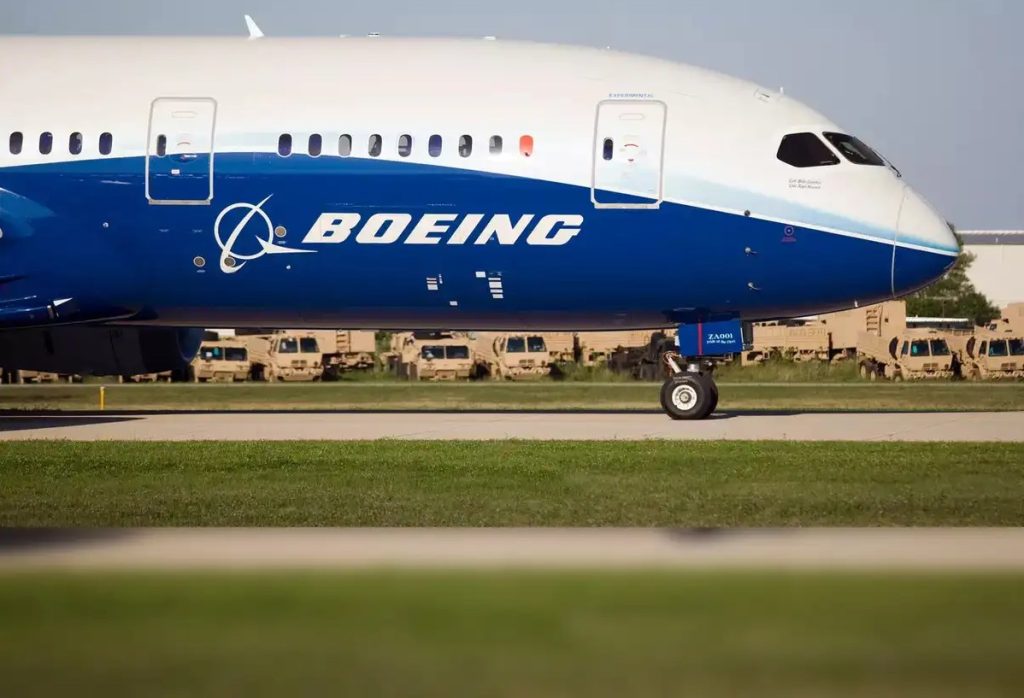
In contrast, U.S. rival Boeing had a quieter presence, withholding announcements as it grapples with the aftermath of the recent Air India Boeing 787 crash and after securing large orders during President Trump’s Middle East tour.
Meanwhile, attention turned to another major Airbus customer, AirAsia, which is eyeing a purchase of 100 A220s. Brazilian planemaker Embraer is reportedly trying to win that business after losing a significant deal in Poland, sources at the show said.
Airbus is also expected to reveal Egyptair as the previously unnamed buyer behind an order for six additional A350s.
However, its ambitions to use the event to announce a landmark agreement with Royal Air Maroc appear to have been dashed, as the Moroccan airline postponed plans to reveal a larger Boeing deal, according to delegates.
None of the companies involved in the last-minute air show discussions offered public comment.
Airlines continue to confront engine makers over lengthy turnaround times for repairs on the latest generation of narrow-body jet engines.
Rick Deurloo, head of Pratt & Whitney’s commercial engines division, said improving engine durability is a top priority, and that the number of aircraft grounded while awaiting repairs is now stabilizing.
Rolls-Royce CEO Tufan Erginbilgic echoed renewed ambitions to re-enter the narrow-body engine market, stating it was “even more true” now and emphasizing a preference for doing so through a partnership.
On the defense front, a wave of deals is anticipated as European manufacturers capitalize on increased global arms spending.
Leonardo CEO Roberto Cingolani said the inclusion of new players in the Italian-British-Japanese next-generation fighter jet program could bring technological benefits, though he noted that such decisions rest with participating governments.
Cingolani added that welcoming Saudi Arabia into the Global Combat Air Programme, an idea floated for some time, would “open up a big market with great potential.”

 Pump Radar
 Stock Alerts