
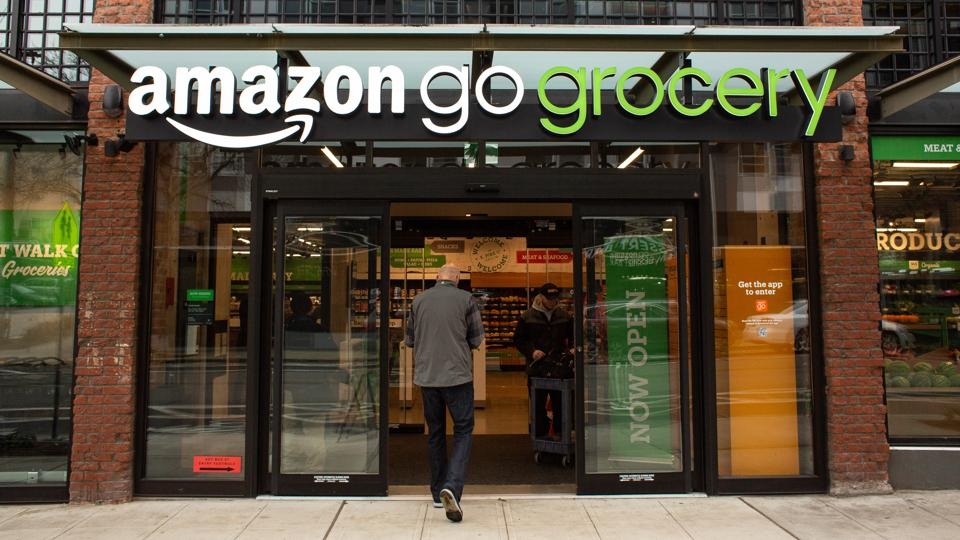


Amazon is broadening its same-day delivery service for fresh foods, aiming to get more shoppers to add meat, eggs, produce, and other perishables to their online orders. The service is now available in more than 1,000 U.S. cities and towns—including Raleigh, North Carolina; Tampa, Florida; and Milwaukee—with plans to reach at least 2,300 locations by the end of the year.
The program, initially tested in Phoenix and other cities, showed that first-time Amazon grocery customers who purchased fresh items returned to shop twice as often compared with those who didn’t buy perishable foods. Orders over $25 are delivered free for Prime members in most cities, while smaller orders carry a $2.99 fee. Non-Prime members pay $12.99 regardless of order size.
The announcement rattled the grocery and delivery sector. Instacart shares tumbled 11%, while Kroger and Albertsons fell 4% and 2%, respectively. DoorDash slipped 3%, and Walmart, a long-time rival in same-day grocery delivery, dropped 2%. Mizuho analysts noted that the expansion “represents an escalation of head-to-head competition,” with Amazon extending grocery and rural investments while Walmart builds out its marketplace and advertising businesses.
Amazon has been reshaping its grocery operations over the past few years, including updating its Fresh store chain and offering fresh food delivery to non-Prime shoppers. Household staples like paper towels, cleaning supplies, bottled drinks, and canned goods have also been highlighted as part of the strategy.
In January, Amazon named Jason Buechel, CEO of Whole Foods Market, to lead its worldwide grocery stores business. In June, Buechel announced that Whole Foods would be brought closer under the Amazon grocery umbrella, ending years of relative independence from Amazon’s own grocery operations.
Evercore ISI analyst Michael Montani offered perspective this morning:
“While Amazon’s actions increase competitive intensity, we view the change as incremental within a relatively rational competitive backdrop. Consumers should benefit, as traditional grocers and some mass-market players will likely respond by reducing or eliminating delivery fees over time.
Membership programs like Kroger Boost and Albertsons FreshPass become increasingly important for driving loyalty and offsetting delivery costs. This mirrors what happened with curbside pickup fees 3–5 years ago—they largely disappeared.
Looking at the bigger picture, we see three mega themes shaping grocery in the second half of 2025: (a) value-seeking, as the gap between grocery and restaurant pricing continues to drive consumers toward food at home; (b) healthy eating, with demographic trends, social media, and initiatives like MAHA supporting 3–4% growth in ‘better-for-you’ products versus 2.5–3% in the broader grocery market; and (c) multichannel shopping, as our latest eCommerce survey shows consumers continue to prioritize convenience when choosing where to shop in the future.”
 Pump Radar
 Stock Alerts