
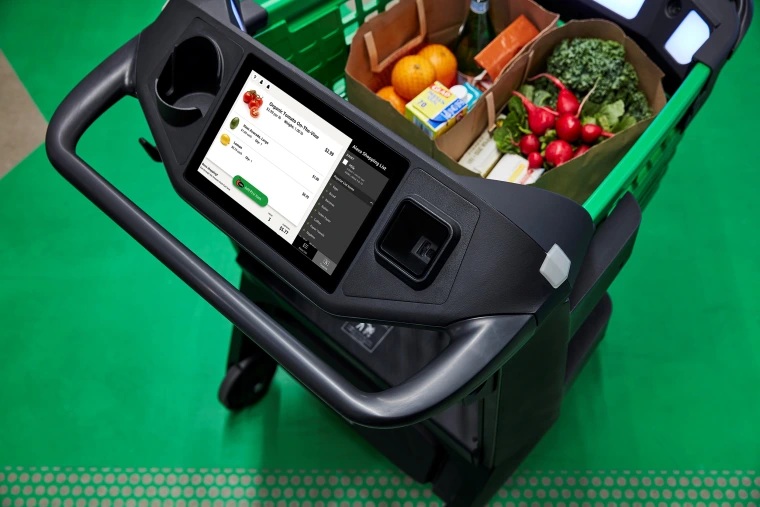


Amazon is sharpening its focus on the grocery aisle with the launch of a new private-label brand designed to appeal to budget-conscious consumers. Announced Wednesday, the initiative consolidates the company’s existing Happy Belly and Amazon Fresh product lines into a single label called Amazon Grocery, with a catalog of more than 1,000 products spanning every major food category.
The standout feature: price. Most items in the new Amazon Grocery line will be available for under $5, covering a wide range of goods including dairy, fresh produce, meat, seafood, snacks, and pantry staples. It marks Amazon’s latest effort to cement its presence in an increasingly competitive grocery market while appealing to shoppers looking for value at a time when food inflation continues to pinch household budgets.
“During a time when consumers are particularly price-conscious, Amazon Grocery delivers more than 1,000 quality grocery items across all categories that don’t compromise on quality or taste — from fresh food items to crave-worthy snacks and pantry essentials — all at low, competitive prices that help customers stretch their grocery budgets further,” said Jason Buechel, Amazon’s vice president of worldwide grocery, in a statement.
This isn’t the company’s first attempt at rolling out a value-focused food brand. Last year, Amazon introduced Amazon Saver, which targeted price-sensitive customers with a narrower product line. The new Amazon Grocery label appears to be an evolution of that experiment — larger in scope, more cohesive, and more clearly integrated with Amazon’s broader strategy in the food retail sector.
The move comes at a time when Amazon’s grocery ambitions remain in transition. While its online grocery service has found steady demand for everyday essentials like canned goods, paper towels, and household basics, the company has faced challenges with its physical store strategy. Amazon has closed locations across its Go convenience store and Fresh supermarket formats, most recently announcing that it would shutter all of its U.K. grocery stores. Still, executives including CEO Andy Jassy have repeatedly emphasized that food is a long-term growth opportunity.
Beyond private-label products, Amazon has also been working to expand the reach of its delivery service. Just last month, the company broadened same-day delivery of fresh foods — including staples like meat, dairy, and eggs — to more U.S. regions. The move is part of a push to encourage shoppers to add fresh grocery items to their digital carts alongside the electronics, books, and household goods that already dominate Amazon’s marketplace.
The grocery wars remain fierce, with Walmart, Target, and Costco competing aggressively on price and convenience. By launching a comprehensive private-label brand priced to appeal to everyday shoppers, Amazon is betting it can carve out a stronger foothold in one of retail’s most challenging categories.

 Pump Radar
 Stock Alerts