
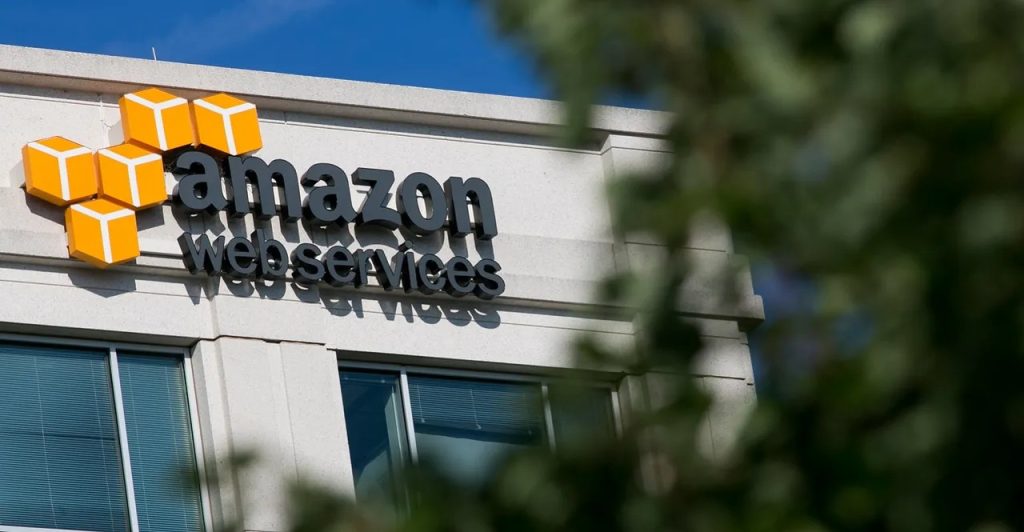


Amazon announced Monday it will invest $20 billion in two major data center campuses in Pennsylvania, including one being constructed adjacent to a nuclear power plant—an arrangement that has drawn federal scrutiny for its unconventional power sourcing.
Kevin Miller, vice president of global data centers at Amazon Web Services, told The Associated Press that one of the facilities will be located just north of Philadelphia. The explosive growth of cloud computing and artificial intelligence is driving massive demand for data centers, which require substantial power to operate servers, storage, networking, and cooling infrastructure.
Last year, Talen Energy—majority owner of the Susquehanna nuclear power plant—sold its data center campus to Amazon for $650 million. The deal could eventually provide Amazon with 960 megawatts of electricity, equivalent to 40% of the plant’s output or enough to power more than 500,000 homes.
However, the deal’s structure—known as a “behind the meter” connection—has come under review by the Federal Energy Regulatory Commission (FERC), marking the first time the agency has examined such an arrangement.
The setup has raised concerns about whether diverting power to higher-paying users like Amazon could limit availability for others, and whether exempting large power users from grid costs is equitable.
For companies like Amazon, plugging directly into a power plant can significantly reduce data center development timelines, bypassing the delays associated with connecting to the overburdened power grid.
The timing of a final decision from FERC remains uncertain after the commission blocked the deal on procedural grounds, leaving regulatory questions unresolved—not just for this deal but for similar future arrangements.
Meanwhile, other tech firms are pursuing similar paths in Pennsylvania. Microsoft recently struck a deal to restart the shuttered Three Mile Island nuclear reactor under a 20-year agreement to power its data centers across four states. Separately, owners of a former coal-fired power plant in the state plan to transform the site into a $10 billion natural gas-powered data center campus.
Amazon’s Pennsylvania projects include the data center near the Susquehanna nuclear facility in northeastern Pennsylvania and another at the Keystone Trade Center in Fairless Hills, located on the site of a former U.S. Steel mill.
At a press conference held in Berwick near the Susquehanna plant, Governor Josh Shapiro hailed the investment as “the largest private sector investment in Pennsylvania’s history.” He added, “Monday’s announcement is just the beginning,” noting that the state is already in discussions with Amazon on additional projects.
While critics often argue that data centers don’t create many permanent jobs, supporters highlight the thousands of construction jobs required to build them, their spending at local businesses, and the significant tax revenue they generate.
Shapiro underscored the economic potential: “For too long, we’ve watched as talents across Pennsylvania got hollowed out and left behind. No more. Now is our time to rebuild those communities and invest in them. This investment in Pennsylvania starts reversing that trend.”
Neither the Shapiro administration nor Amazon disclosed details about the financial incentives involved—commonly a competitive factor among states courting large data center projects. However, Amazon is expected to qualify for Pennsylvania’s existing sales tax exemption on data center equipment, including servers and routers—an incentive most states offer to remain competitive in attracting such investments.
Amazon’s move adds to the wave of Big Tech infrastructure spending sweeping into Pennsylvania. Since early 2024, Amazon has committed around $10 billion each to new data center campuses in Mississippi, Indiana, Ohio, and North Carolina, as it races to build out the backbone needed to support a growing suite of AI and cloud services.



 Pump Radar
 Stock Alerts