
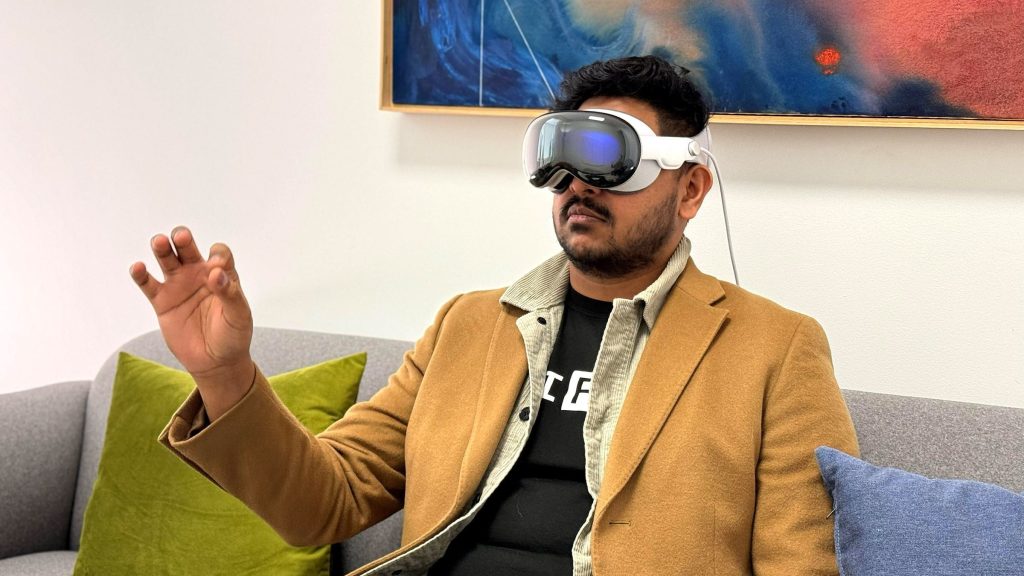


Apple Inc. has reportedly halted plans to overhaul its Vision Pro mixed-reality headset in order to focus resources on developing next-generation smart glasses designed to compete with offerings from Meta Platforms, according to Bloomberg News, citing sources familiar with the matter.
The tech giant had been preparing a lighter, more affordable version of its Vision Pro headset, code-named N100, initially slated for release in 2027. However, internal communications shared with staff last week indicated that employees assigned to the N100 project are being redirected to accelerate work on smart glasses, signaling a strategic pivot in Apple’s wearable technology roadmap.
The Vision Pro, which launched in February 2024 with a price tag of $3,499, generated significant buzz but has struggled to maintain momentum. Analysts cite limited mainstream content and the presence of lower-cost alternatives, such as Meta’s Quest devices, as factors constraining adoption.
According to the Bloomberg report, Apple is developing at least two types of smart glasses. The first, referred to as N50, is designed to pair with an iPhone and will not include its own display. Apple plans to unveil the N50 as soon as next year, although the consumer release remains scheduled for 2027. The second model, which will include an integrated display, was originally planned for a 2028 release, but development on this display-equipped version is now being accelerated in order to compete directly with Meta’s Ray-Ban Display glasses.
Meta has also intensified its presence in the smart glasses market. In September, CEO Mark Zuckerberg unveiled the company’s first consumer-ready $800 smart glasses featuring a built-in display and a new wristband controller at Meta’s annual Connect event. Meta additionally introduced Oakley-branded Vanguard glasses, targeting athletes with enhanced functionality.
Apple’s forthcoming glasses are expected to emphasize voice interaction and artificial intelligence, signaling the company’s intent to integrate more AI capabilities into wearable devices. Sources told Bloomberg that the company’s move reflects a broader effort to strengthen its position in both AI and augmented reality markets.
Apple declined to comment when contacted by Reuters regarding the report.
At its annual product launch event last month, Apple introduced updated iPhone models, including a slimmer iPhone Air, but the presentation offered limited insight into how the company plans to accelerate AI development relative to competitors. Google, for instance, showcased the capabilities of its Gemini AI model in its latest flagship smartphones, highlighting Apple’s position as a relative laggard in the AI race.
The shift away from the Vision Pro overhaul toward AI-driven smart glasses underscores Apple’s strategic recalibration in the wearable technology space. By focusing on lighter, more affordable, and AI-enabled devices, the company appears intent on challenging Meta’s growing dominance while appealing to a broader consumer base that may have previously hesitated at the premium pricing of the Vision Pro.


 Pump Radar
 Stock Alerts