
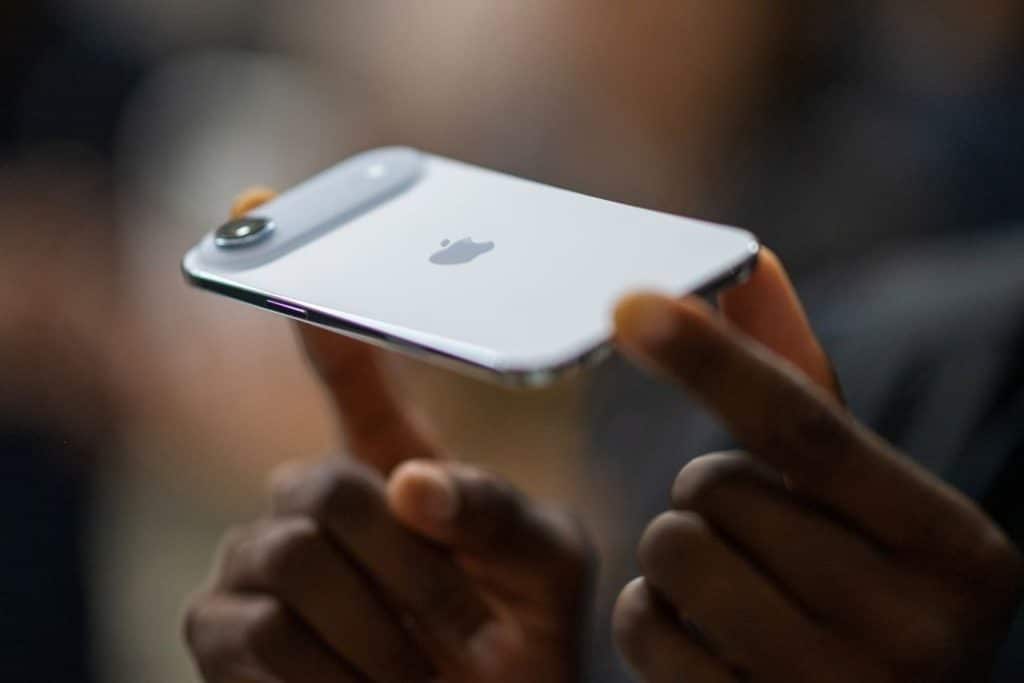


Apple (AAPL) pulled the curtain back Tuesday on its latest flagship devices at its Cupertino, California headquarters, introducing the iPhone 17 lineup and a dramatic new entry: the iPhone Air. The launch represents Apple’s most significant redesign in years and underscores how the company continues to bet on hardware innovations to power future growth.
Apple’s iPhone has long been its crown jewel, generating more than $200 billion in revenue last year alone. Major redesigns like the iPhone Air often act as catalysts for sales, enticing customers who have been holding onto older models to upgrade. The Air’s debut breaks from years of incremental updates that left iPhone generations looking largely the same.
The $999 iPhone Air is being billed as Apple’s thinnest and most power-efficient smartphone ever, at just 5.6 millimeters thick. The device features a 6.5-inch always-on ProMotion display and a new titanium frame wrapped in Ceramic Shield for added strength. Inside, Apple has packed its A19 Pro chip with enhanced AI acceleration, an N1 chip for faster wireless connections, and a C1X modem that uses 30% less power. Its 48-megapixel Fusion rear camera offers 2x telephoto-like shots, and a new Center Stage system lets the front camera capture both portrait and landscape photos without repositioning the phone. Users can even record from the front and rear cameras simultaneously.
Apple says the Air’s battery can last all day, positioning it as the company’s most efficient handset to date. Analysts view the Air as an important precursor to Apple’s rumored foldable iPhone, which reports suggest could arrive in 2026.
The standard $799 iPhone 17, meanwhile, gets a larger 6.3-inch display with Apple’s ProMotion technology, improved glare resistance, and an upgraded Ceramic Shield 2 that the company says doubles scratch resistance. Under the hood, it’s powered by Apple’s new 3-nanometer A19 chip with a six-core CPU and five-core GPU, delivering a 20% performance boost over the iPhone 16. It also features a 48-megapixel Fusion main camera with 2x software zoom, a new 12-megapixel wide-angle camera, and AI-driven Center Stage front camera tracking. Storage now starts at 256GB, up from 128GB.
Apple’s premium $1,099 iPhone 17 Pro and Pro Max raise the stakes further. Both phones carry the A19 Pro chip and a new aluminum unibody design with a built-in vapor chamber for improved cooling. Apple claims the setup allows for 40% better sustained performance than previous iPhones. The Pro Max, in particular, boasts Apple’s longest-lasting battery ever.
The camera system on the Pro models is a standout: all three rear cameras are 48 megapixels, and the telephoto lens now delivers up to 8x optical zoom on a larger sensor for crisper shots from a distance. The front cameras inherit the same upgraded Center Stage functionality as the iPhone 17 and Air.
Despite the headline-grabbing launch, Apple shares were muted in premarket trading Wednesday after falling 1.5% the day before. Investors will be watching closely to see whether the redesigned iPhones spark a meaningful upgrade cycle among consumers in the months ahead.



 Pump Radar
 Stock Alerts