
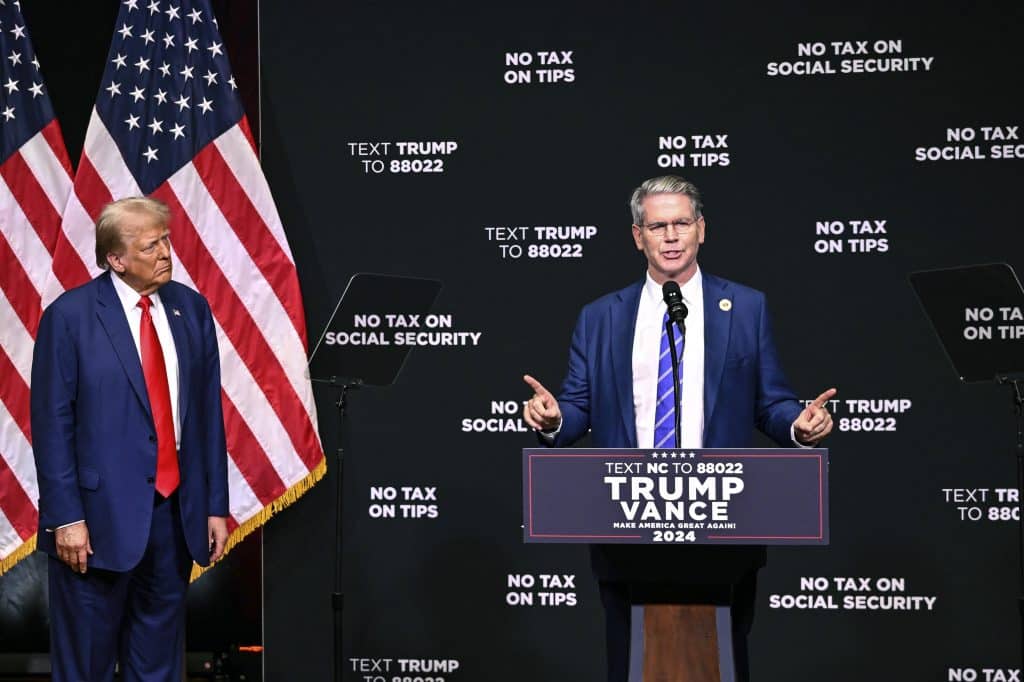


Treasury Secretary Scott Bessent told lawmakers on Wednesday that he hopes to remain in his current role through 2029, though he didn’t rule out the possibility of becoming the next chair of the Federal Reserve.
During an appearance before the House Ways and Means Committee, Bessent was asked whether he’d prefer to lead the Fed or stay on as Treasury Secretary—a question seemingly prompted by reports suggesting his name is being floated as a potential successor to Jerome Powell, whose term as Fed chair ends in May 2026.
“I have the best job in Washington,” Bessent said. “I’m happy to do what President Trump wants me to do,” adding, “I would like to stay in my seat through 2029” to help carry out the administration’s economic agenda.
The hearing covered a broad range of topics, including tariffs and Trump’s so-called “big, beautiful bill,” which is currently under Senate consideration after passing the House.
Bessent noted he had arrived in Washington on just three hours of sleep after flying overnight from London, where he helped craft a tentative trade framework between the U.S. and China aimed at easing tensions between the world’s two largest economies.
While the deal still requires final approval from both President Trump and Chinese President Xi Jinping, Bessent acknowledged the specifics are still being worked out. “We are in the midst of constructing it,” he said, adding that “it will be a much longer process.”
Bessent was also asked about negotiations with other countries that had their “Liberation Day” tariffs paused for 90 days to allow time for talks. That grace period is set to expire in early July. When asked whether the pause could be extended, Bessent said it’s “highly likely” the administration will “roll the date forward to continue good-faith negotiations,” but added, “If someone is not negotiating, then we will not.”
Democratic lawmakers repeatedly pressed Bessent on the fiscal impact of Trump’s proposed economic legislation.
“Will it add to the national debt?” asked Rep. Terri Sewell (D-Ala.).
“It remains to be seen,” Bessent replied.
Sewell cited a Congressional Budget Office estimate that the bill would increase the federal deficit by $2.4 trillion. Bessent pushed back by referencing the same source, noting that the CBO projects $2.8 trillion in new tariff revenue.
“You are quoting the CBO; I am quoting the CBO. So let’s level set,” Bessent said.
 Pump Radar
 Stock Alerts