
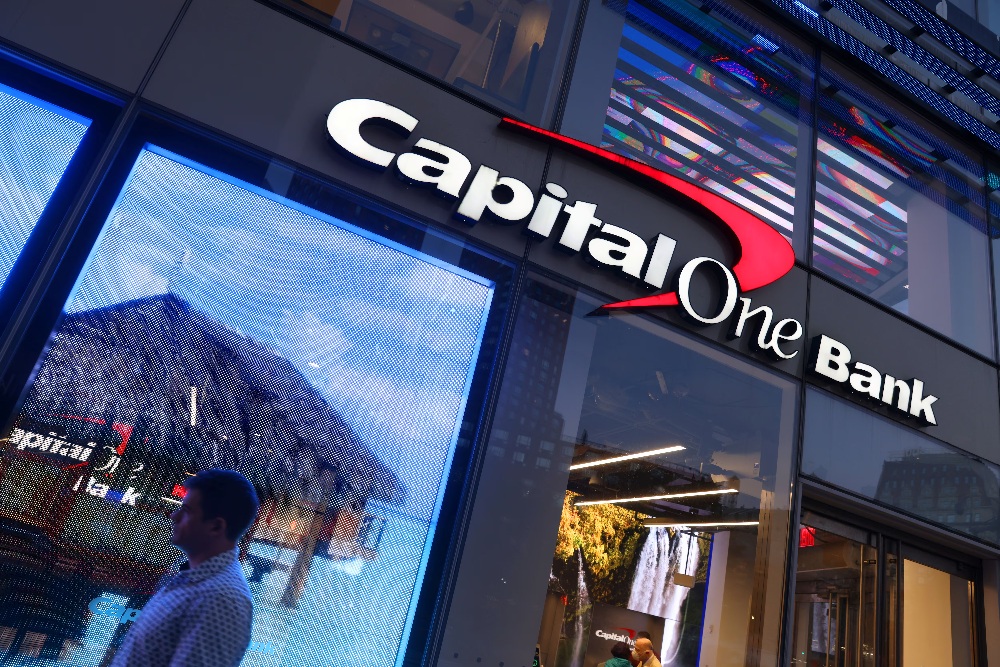


Capital One (NYSE: COF) will have to face a lawsuit brought by social media creators who allege that the company’s browser extension improperly diverted sales commissions that were rightfully theirs.
In a decision issued Monday night, U.S. District Judge Anthony Trenga in Alexandria, Virginia ruled that the creators had plausibly alleged that Capital One either knew or should have known that its Capital One Shopping extension was overriding affiliate tracking codes used by content creators. These codes are intended to credit influencers, bloggers, and YouTubers when consumers make purchases through their shared links.
The lawsuit centers on affiliate marketing, a popular strategy where creators earn commissions by directing their audiences to retailers through unique referral links. The plaintiffs claim that Capital One’s extension—used by over 10 million users to find deals online—interfered with those links and made it appear that shoppers were referred by Capital One instead.
This, they allege, allowed the company to pocket millions in commissions that should have gone to creators who had done the promotional work.
Judge Trenga allowed several claims to move forward, including unjust enrichment, interference with contractual relationships, and violations of the federal Computer Fraud and Abuse Act. He dismissed claims related to conversion and four state-level laws.
Capital One, based in McLean, Virginia, did not immediately respond to requests for comment.
In its defense, the bank argued that it’s up to retailers to determine how commissions are allocated, and suggested the lawsuit reflects frustration from creators who believe they deserve more credit for influencing purchases.
Norman Siegel, an attorney representing the creators, welcomed the court’s decision and said they “look forward to continuing to prosecute the case.”
Capital One, the sixth-largest U.S. commercial bank following its recent acquisition of Discover Financial Services, acquired the extension at the heart of the case when it bought shopping startup Wikibuy in 2018.
The case is part of a growing wave of litigation against browser extensions accused of hijacking affiliate links. Microsoft and PayPal are facing similar lawsuits over their respective extensions, Microsoft Shopping and PayPal Honey.
Case name: In re Capital One Financial Corp, Affiliate Marketing Litigation.


 Pump Radar
 Stock Alerts