
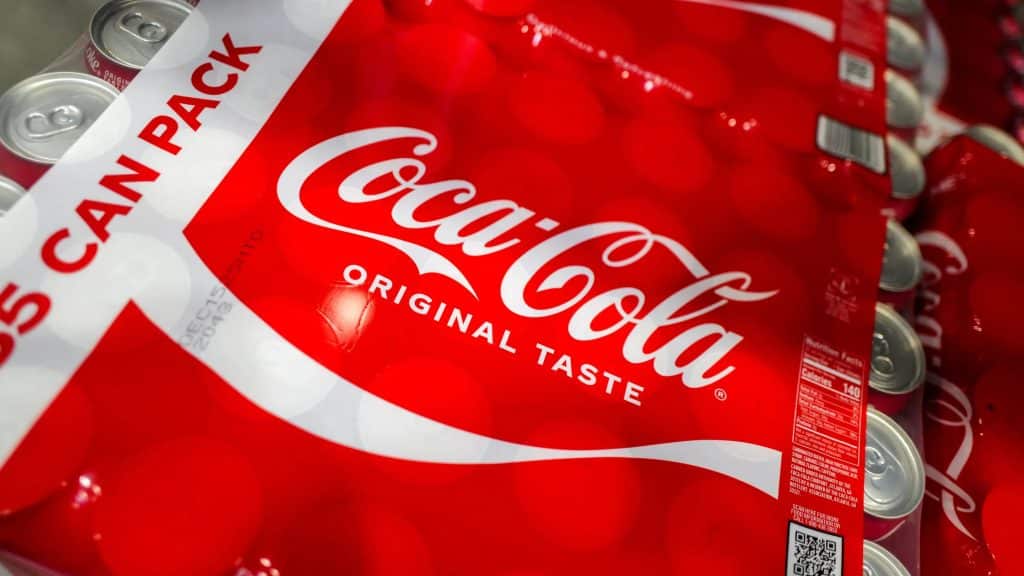


Coca-Cola (KO) could be the latest food and beverage giant to revise its ingredients under the Trump administration’s influence.
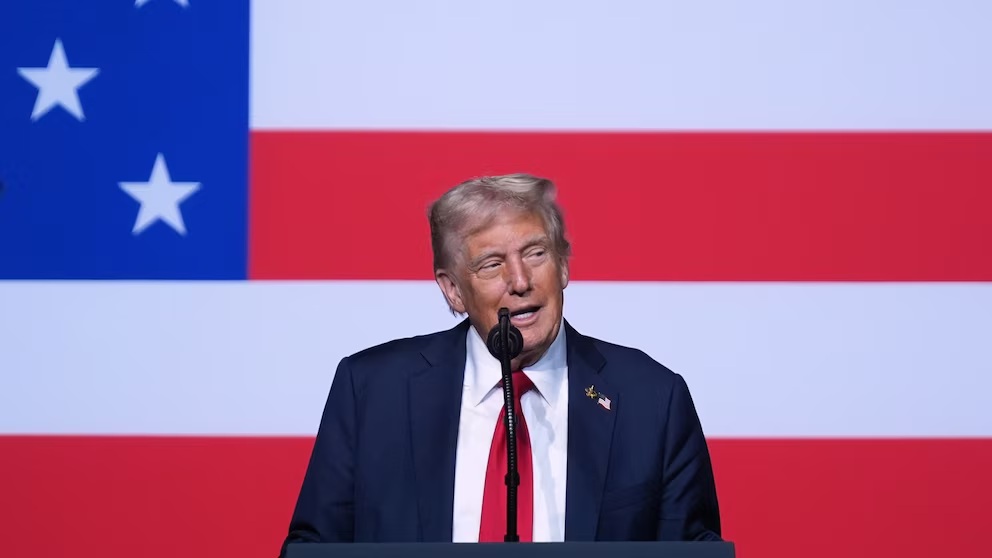
On Wednesday, President Trump announced on social media: “I have been speaking to Coca-Cola about using REAL Cane Sugar in Coke in the United States, and they have agreed to do so.”
In response, Coca-Cola issued a statement saying: “We appreciate President Trump’s enthusiasm for our iconic Coca‑Cola brand. More details on new innovative offerings within our Coca‑Cola product range will be shared soon.” The company is scheduled to report quarterly earnings on July 22. Shares of Coca-Cola remained relatively flat early Thursday.
At a recent investor event, when asked about “general health and wellness considerations,” Coca-Cola CFO John Murphy admitted, “It’s one that we’ve wrestled with. We’ve at times embraced and at times not done a great job, honestly, over our long history.”
Currently, Coca-Cola sweetens most of its U.S. beverages with high fructose corn syrup (HFCS), a more cost-effective alternative to cane sugar. Both Coca-Cola and PepsiCo (PEP) are among the country’s largest HFCS consumers. This shift in ingredients could have ripple effects across the supply chain.
Shares of Archer-Daniels-Midland (ADM)—a top HFCS supplier—fell more than 2.7% in early trading. Ingredion (INGR), another major corn syrup producer, dropped over 5%.
On the flip side, the sugar market saw a boost. The benchmark Sugar No. 11 futures contract (SB=F) climbed more than 1.3% following the news. The Teucrium Sugar Fund (CANE), which tracks sugar futures, rose over 1% Thursday morning. Sugar firms like Seaboard Corp. (SEB) and Bunge Global SA (Q23.F) moved slightly, with SEB up less than 1% and Bunge down just under 1%.
This development also comes as President Trump intensifies his global tariff strategy. Brazil—the world’s largest sugar cane producer, responsible for nearly 25% of global output—will face a 50% tariff on U.S. imports starting in August. While no tariff rate has been announced yet for India (the second-largest producer), China currently faces a 30% sugar-related tariff.
Coca-Cola’s potential shift aligns it with other major food companies making ingredient changes, such as Kraft Heinz (KHC), General Mills (GIS), and Nestlé USA.
Meanwhile, PepsiCo (PEP), Coca-Cola’s top rival, was also questioned about ingredient reformulation during its earnings call Thursday morning. CEO Ramon Laguarta said: “We have a … technical road map to eliminate artificial colors and artificial flavors from our beverages, the same as we do for our food business. We’ll be able to execute as the regulations evolve, or consumer preference evolve.”
PepsiCo stock climbed as much as 5% after reporting earnings that beat expectations.
 Pump Radar
 Stock Alerts