


Commerce Secretary Howard Lutnick warned on Thursday that TikTok could disappear from American phones unless China agrees to hand over greater control of the app to the United States.
“We’ve made the decision. You can’t have Chinese control and have something on 100 million American phones,” Lutnick told CNBC’s Squawk on the Street.
The platform’s fate has been in question since Congress passed a law in 2024 mandating that TikTok’s Chinese owner, ByteDance, divest its U.S. operations or face a ban. Concerns have centered on the potential for the Chinese government to access user data or manipulate content.
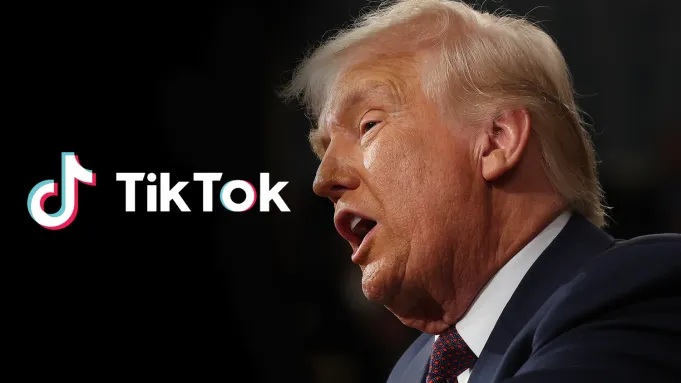
Negotiations have been slow, with President Donald Trump extending the deadline for divestiture three times. The current deadline is September 17.
“Basically, Americans will have control. Americans will own the technology. Americans will control the algorithm. That’s something Donald Trump is willing to do,” Lutnick said.
He emphasized that without China’s approval of the deal, “then TikTok is going to go dark.”
While talks continue, Trump has mentioned a group of “very wealthy people” interested in purchasing TikTok’s U.S. operations. However, recent reports indicate private equity firm Blackstone has withdrawn from the bidding consortium.
Earlier this month, a judge denied TikTok’s motion to dismiss a lawsuit filed by the state of New Hampshire, which accuses the platform of using manipulative design features targeting children and teens.
“The Court’s decision is an important step toward holding TikTok accountable for unlawful practices that put children at risk,” said New Hampshire Attorney General John Formella in a statement on Friday.
In his ruling on Tuesday, New Hampshire Superior Court Judge John Kissinger Jr. found the state’s allegations sufficiently specific and valid to move forward. He noted the civil claims focus on the app’s “alleged defective and dangerous features,” rather than the content hosted on the platform.
The lawsuit claims TikTok is intentionally engineered to be addictive, exploiting its young audience. It alleges the platform incorporates “addictive design features” designed to keep children engaged longer, increasing their exposure to advertisements and encouraging purchases via TikTok’s e-commerce service, TikTok Shop.
TikTok responded on Friday, describing the lawsuit as “outdated and cherry-picked claims.”
“We continue to provide robust safety protections and screen time limits for teen accounts enabled by default, Family Pairing tools for parents to supervise their teens, strict livestreaming requirements, and proactive ongoing enforcement of our Community Guidelines,” a TikTok spokesperson said.
This case is part of a broader trend where attorneys general focus on the design and safety policies of tech companies rather than the user-generated content on their platforms.

 Pump Radar
 Stock Alerts