
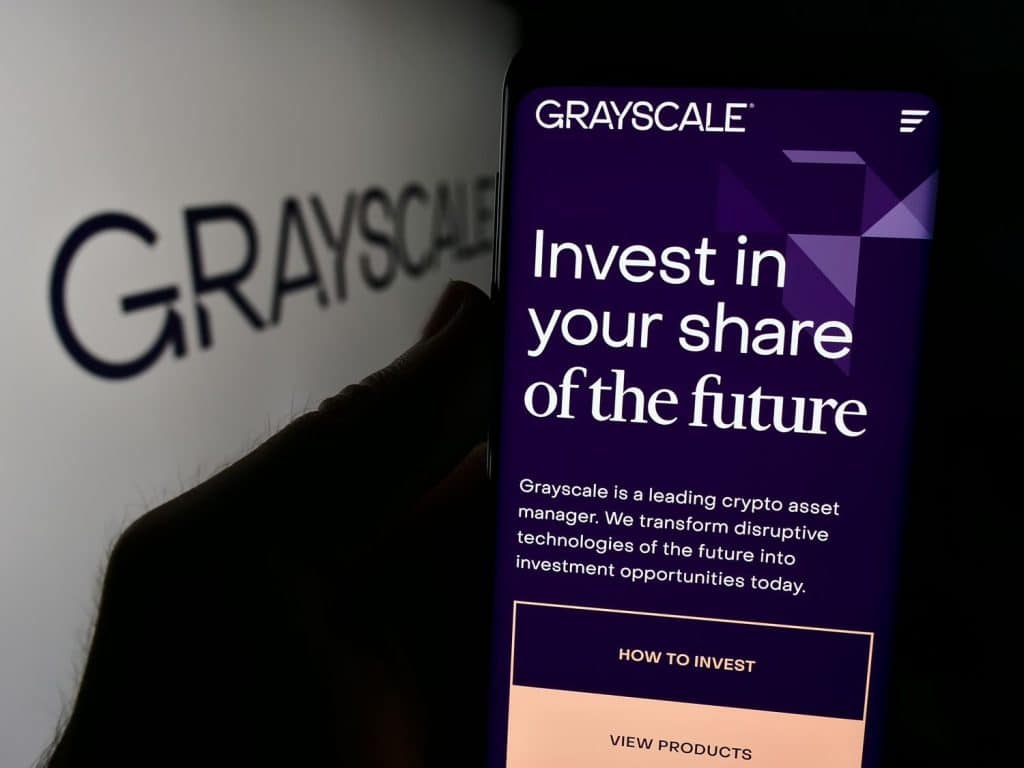


Grayscale, a leading cryptocurrency asset manager, announced on Monday that it has confidentially filed with the U.S. Securities and Exchange Commission to pursue an initial public offering (IPO).
The firm has joined the growing number of crypto companies aiming to launch IPOs in the U.S.
Going public would provide Grayscale with access to broader funding options, including public stock sales—similar to strategies used by Michael Saylor’s Strategy—or convertible note offerings, like GameStop’s $2.25 billion offering on June 13.
The company operates over 35 investment products, including a spot Bitcoin ETF that allows investors to gain exposure to bitcoin’s price movements without actually owning the cryptocurrency. Grayscale currently manages more than $33 billion in assets, according to its website.
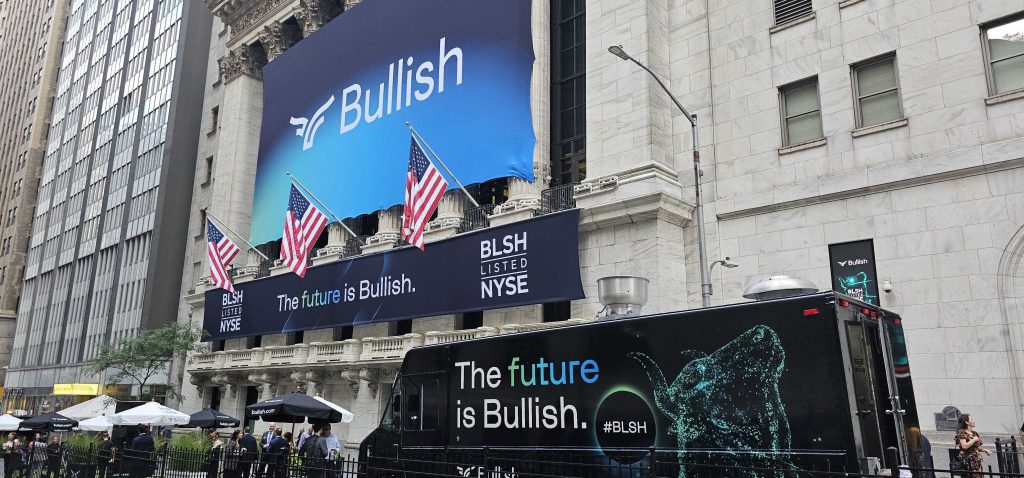
This filing follows the highly successful IPO of stablecoin issuer Circle Internet Group (CRCL) last month, whose shares have surged over sixfold from their $31 initial offering price. Other crypto firms like Gemini, founded by Cameron and Tyler Winklevoss, and Bullish, backed by Peter Thiel, have also recently filed to go public.
Bitcoin (BTC-USD) traded above $120,000 on Monday, continuing its ascent as companies accumulate the token and Congress prepares to review three crypto-friendly bills this week that may boost digital asset legitimacy.
Jay Ritter, finance professor at the University of Florida Warrington College of Business, commented on the timing for crypto firms going public:
“Anything that cryptocurrency related has real big investor receptivity,” Ritter told Investopedia last month. “If I had something in that space, I would say this is a golden window of opportunity to go public.”
Grayscale’s move follows just over a month after Circle, the issuer of the world’s second-largest stablecoin USDC, upsized its IPO to more than $1.05 billion and made its debut on the New York Stock Exchange on June 5.
Circle’s IPO pricing valued the company at $6.9 billion, based on over 220 million outstanding shares listed in a June 2 SEC filing.


 Pump Radar
 Stock Alerts