
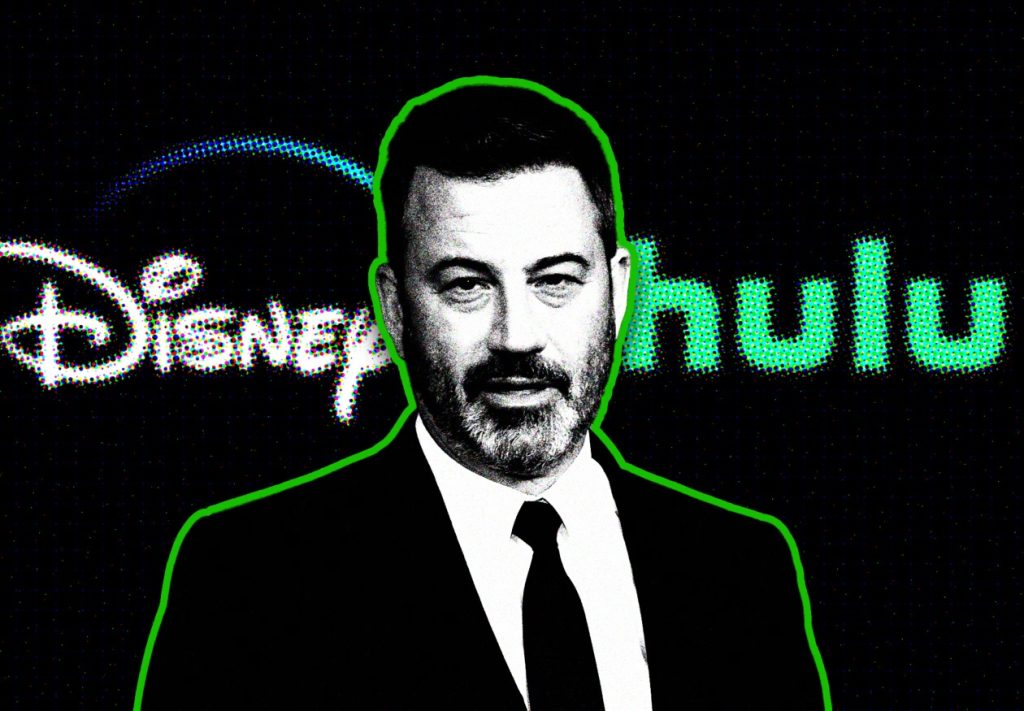


Disney’s reputation among consumers has taken a sharp hit in recent weeks, with sentiment toward the entertainment giant and its Disney+ streaming platform dropping to levels not seen in at least two years. According to an analysis by Jefferies, using Morning Consult data, Disney’s image has declined across both political parties, with Democrats showing the steepest drop despite historically stronger brand affinity. The downturn comes in the wake of two major developments: the temporary removal of comedian Jimmy Kimmel’s late-night show and a recent increase in Disney+ subscription prices.
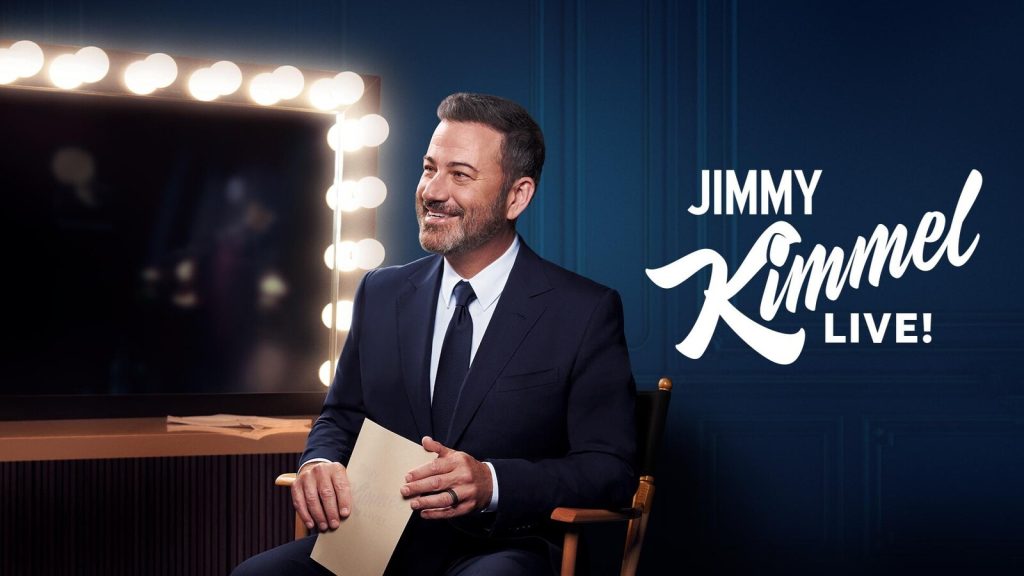
The controversy began after Kimmel made remarks about slain conservative activist Charlie Kirk, prompting ABC to pull the show temporarily amid warnings from Federal Communications Commission Chair Brendan Carr about potential broadcast license issues. Several ABC-affiliated local stations owned by Nexstar Media Group and Sinclair preempted the show in their markets before Disney ultimately acted. The company later returned Kimmel to air, but the back-and-forth fueled criticism from multiple sides. Democratic-leaning Hollywood insiders argued that Disney had capitulated to political pressure rather than defending free speech, while some conservatives continued to be critical of Kimmel’s comments.
Jefferies analyst James Heaney noted that the combination of the Kimmel controversy and the Disney+ price increase has made the past two weeks “as eventful to say the least, and equally controversial.” Disney’s stock has declined roughly 6% over the past month, pushing the company into the red for 2025. Yet, despite the PR hit, the company’s overall brand awareness remains at a two-year high, and Disney+ specifically has shown only a modest increase in awareness. This, Heaney suggested, indicates that while the controversy may have dented public perception of Disney broadly, it may have a more limited effect on streaming subscription churn, a key metric for CEO Bob Iger’s strategy.
The recent $2 to $3 increase in Disney+ subscription costs, set to take effect on October 21, added another layer to consumer dissatisfaction. While the pricing change is designed to bolster revenue from streaming, it coincides with one of the lowest sentiment readings for the company in recent memory, particularly among Democrats, who historically viewed the brand more favorably. Heaney’s analysis of the data showed positive sentiment relative to negative sentiment among Democrats, Republicans, and overall consumers plunging to near zero, signaling a sharp PR setback.
Despite the challenges, Jefferies reaffirmed its buy rating for Disney, maintaining a price target of $144 per share, implying nearly 30% upside from Wednesday’s close. Heaney emphasized that while Disney faces a clear public relations hit, the company’s business fundamentals, particularly its streaming operations, remain relatively insulated from the recent drop in consumer sentiment. Nevertheless, the events underscore how sensitive the entertainment giant’s public image is to both political controversies and pricing decisions, highlighting the ongoing balancing act Disney faces as it navigates cultural scrutiny, subscriber expectations, and broader market pressures.
 Pump Radar
 Stock Alerts