


The Walt Disney Company is once again raising prices on its streaming platforms, less than a year after its last increase and amid lingering controversy over its suspension of late-night host Jimmy Kimmel on ABC. The move comes as Disney seeks to maintain profitability in its streaming division while navigating public backlash that has drawn attention across the media landscape.
Starting October 21, Disney+’s ad-supported tier will climb by $2 to $11.99 per month, while the ad-free subscription will increase by $3 to $18.99 per month. Annual ad-free plans will also see a significant rise, jumping $30 to $189.99. Bundled offerings will be affected as well: the ad-supported Disney+ and Hulu bundle will rise from $10.99 to $12.99, while the ad-supported Disney+, Hulu, and ESPN Select bundle will move from $16.99 to $19.99. Disney’s Premium bundle — featuring ad-free Disney+ and Hulu plus ESPN Select with ads — will rise to $29.99 from $26.99.
This marks the fourth consecutive year Disney has implemented streaming price hikes, a strategy designed to bolster revenue after years of heavy investment in content creation and platform growth. Disney shares were largely unchanged in trading following the announcement, reflecting investor expectations that such increases are part of a broader, long-term business strategy.
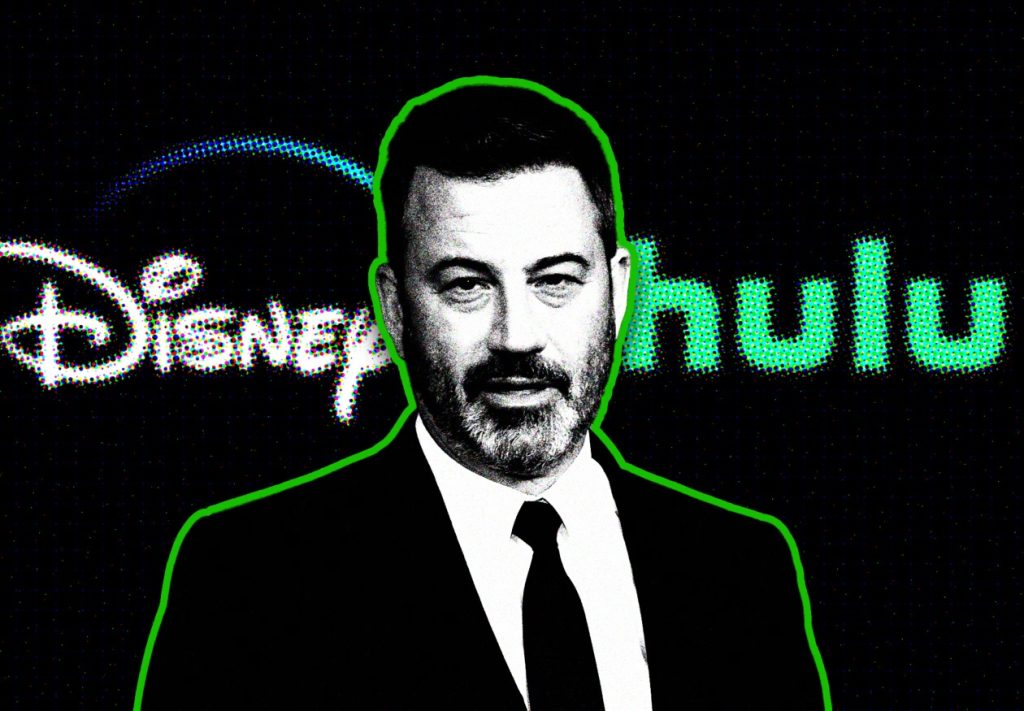
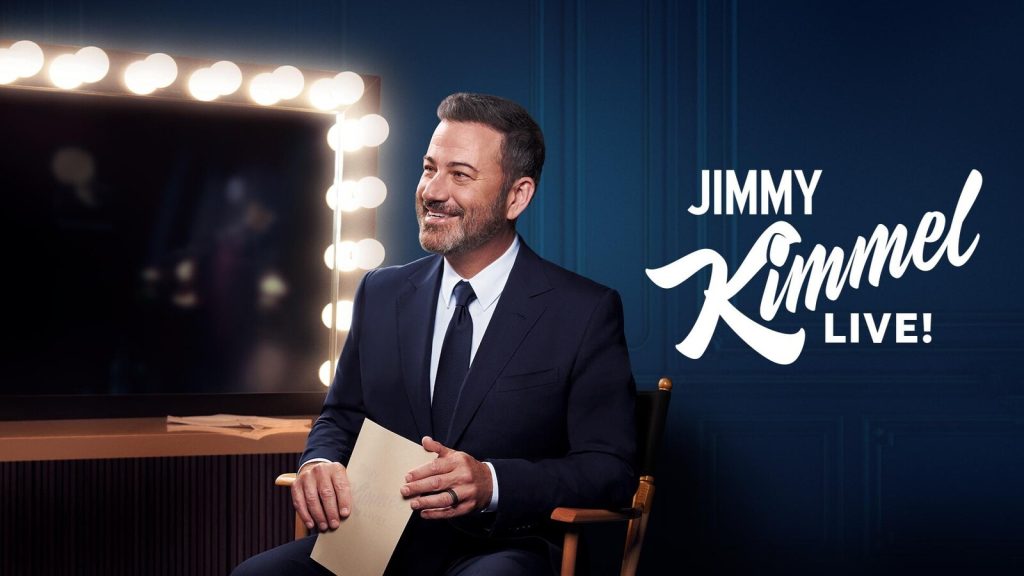
The timing of the price increases, however, has drawn particular scrutiny. Just days prior, Disney faced widespread backlash over its decision to suspend “Jimmy Kimmel Live!” following comments made by the host regarding the assassination of conservative activist Charlie Kirk. The remarks sparked immediate criticism from major broadcast affiliates, including Sinclair and Nexstar, which pulled the show from dozens of local markets. Nexstar called the comments “ill-timed and insensitive,” further intensifying public scrutiny.
After what Disney described as “thoughtful conversations,” Kimmel returned to the air on Tuesday. Nevertheless, Sinclair and Nexstar plan to continue preempting the program, and the incident has reverberated widely within Hollywood. Media figures, including HBO’s John Oliver, publicly urged viewers to cancel Disney+ and Hulu subscriptions in protest. Online searches for how to cancel Disney services spiked significantly in the days following the suspension announcement, highlighting the intensity of consumer reaction.
The price hikes follow Disney’s August launch of ESPN Unlimited, its all-in sports streaming app priced at $29.99 per month. To promote the debut, Disney offered a bundle that includes Disney+, Hulu, and ESPN Unlimited for the same $29.99 monthly price — a deal that remains unaffected by the latest increases.
Media companies across the industry have leaned on subscription price adjustments to drive profitability after years of aggressive investment in streaming content and technology. Disney has set ambitious targets for its streaming division, including $1.3 billion in operating income for its fiscal year ending this month. Last October, Disney+ prices rose by as much as 25%, signaling a trend of incremental increases aimed at sustaining growth while offsetting rising costs.
Disney has characterized the latest adjustments as a routine part of its business planning, with notifications to subscribers beginning this week. Still, the confluence of corporate strategy and public controversy has amplified attention on the decision, making it a rare moment when price increases intersect with a broader debate over corporate and editorial judgment.
As Disney navigates both the financial and reputational implications of its pricing and programming decisions, the company faces a delicate balancing act: maintaining subscriber revenue while managing consumer sentiment in the wake of a high-profile content controversy. Analysts and media watchers will be closely monitoring subscriber trends in the coming months to see whether the dual pressures of price hikes and public backlash impact the company’s streaming growth trajectory.
 Pump Radar
 Stock Alerts