
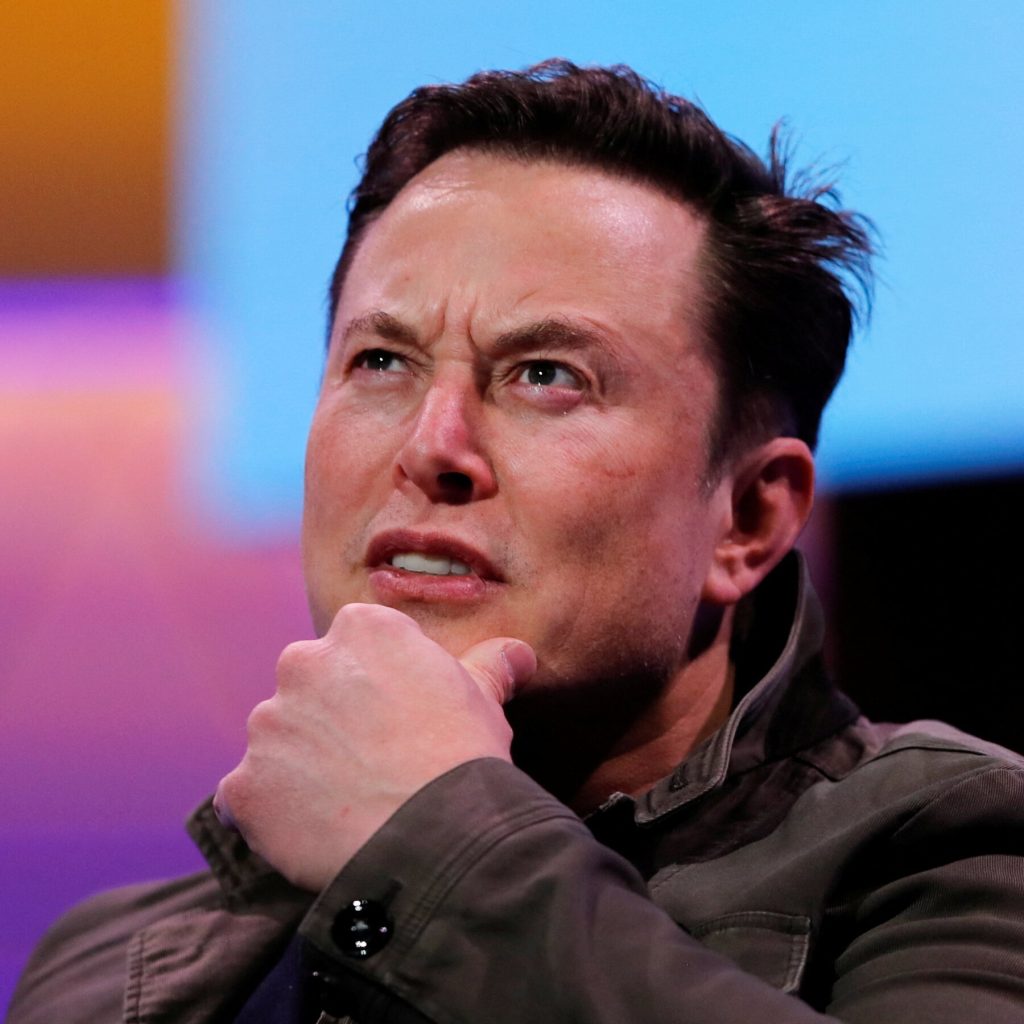


Tesla (TSLA) CEO, Elon Musk, launched a scathing critique of former President Trump’s flagship tax and spending bill, calling it a “disgusting abomination” in a public post that sets him at odds with Trump just as the legislation faces resistance on Capitol Hill. The tech billionaire’s remarks could further complicate efforts to pass the sweeping package, which includes major tax cuts and a debt ceiling increase.
“This massive, outrageous, pork-filled Congressional spending bill is a disgusting abomination,” Musk wrote on social media. “Shame on those who voted for it.”
Musk’s criticism came just days after stepping down from a temporary role leading the Trump administration’s Department of Government Efficiency, which aimed to cut federal spending. His high-profile involvement with the administration had already taken a toll on Tesla’s brand and sales, which slumped during the period.
Following up on his initial post, Musk added that the proposed tax measure “more than defeats all the cost savings achieved by the @DOGE team at great personal cost and risk.”
The White House appeared unfazed by the criticism. Press Secretary Karoline Leavitt dismissed Musk’s comments, saying, “The President already knows where Elon Musk stands on this bill. It doesn’t change his position. This is one big, beautiful bill and he’s sticking to it.”
Musk found some support among conservative lawmakers. Senator Mike Lee (R-Utah) echoed the tech CEO’s concerns, responding online: “The Senate must make this bill better.”
But not all Republicans welcomed Musk’s intervention. House Speaker Mike Johnson called his comments “very disappointing,” while Treasury Secretary Scott Bessent reiterated his support for the measure, stating, “It’s one big beautiful bill” after meeting with Senate Majority Leader John Thune.
The bill, already passed by the House, is projected to reduce federal revenues by around $4 trillion over the next decade, adding an estimated $2.5 trillion to the national deficit despite deep cuts to programs like Medicaid and food stamps. It also proposes rolling back tax incentives for electric vehicle buyers and clean energy production—moves Tesla has publicly opposed.
Tesla Energy, the company’s renewable energy division, warned that phasing out energy tax credits could undermine energy independence and grid stability. Musk later shared the statement on his social media account.
Beyond the tax bill, Musk has also clashed with Trump on trade policy. During Tesla’s April earnings call, Musk said he favors “lower tariffs rather than higher tariffs,” signaling further policy divergence from the former president.
Meanwhile, Trump turned his fire on Senator Rand Paul (R-Ky.)—a fellow fiscal conservative—calling him “crazy” for opposing the bill on grounds it would increase the U.S. debt limit. Paul had earlier told CNBC that he couldn’t support the legislation, saying, “I’m just not for that. That’s not conservative.”
Trump fired back online, saying, “Rand Paul never has any practical or constructive ideas. His ideas are actually crazy (losers!)”
Senator Thune acknowledged the challenge of uniting Senate Republicans around the package, noting that “failure is not an option” given the looming debt ceiling deadline. The Treasury Department has warned the U.S. could run out of borrowing authority as early as August or September.
“We’ve got to get to 51,” Thune said, adding that leaders will work over the coming weeks to finalize a version that can win majority support. With all Senate Democrats expected to oppose the bill, Republicans can afford to lose no more than three votes.
Trump is expected to meet with GOP members of the Senate Finance Committee at the White House on Wednesday to rally support for the legislation.
While independent economists have warned the House version would significantly inflate the national debt, the White House maintains the tax cuts will partially pay for themselves by boosting economic growth.
Trump and GOP leaders insist that including the debt ceiling increase is necessary to ensure smooth passage and avoid a potential default this summer.
Senator Paul, in a post responding to Trump, said he supports tax cuts but wants to see the bill’s $5 trillion in added debt removed. He claimed at least three other Republican senators agree with him—enough to block the legislation in its current form.
Other GOP lawmakers, while expressing concern, haven’t ruled out supporting a deal that includes a more limited debt ceiling hike. Senator Rick Scott (R-Fla.) said he favors balancing the budget to prevent future increases but has voted for a budget framework that allows one. Senator Ron Johnson (R-Wis.) indicated he could back a one-year debt ceiling extension tied to major spending cuts.


 Pump Radar
 Stock Alerts