
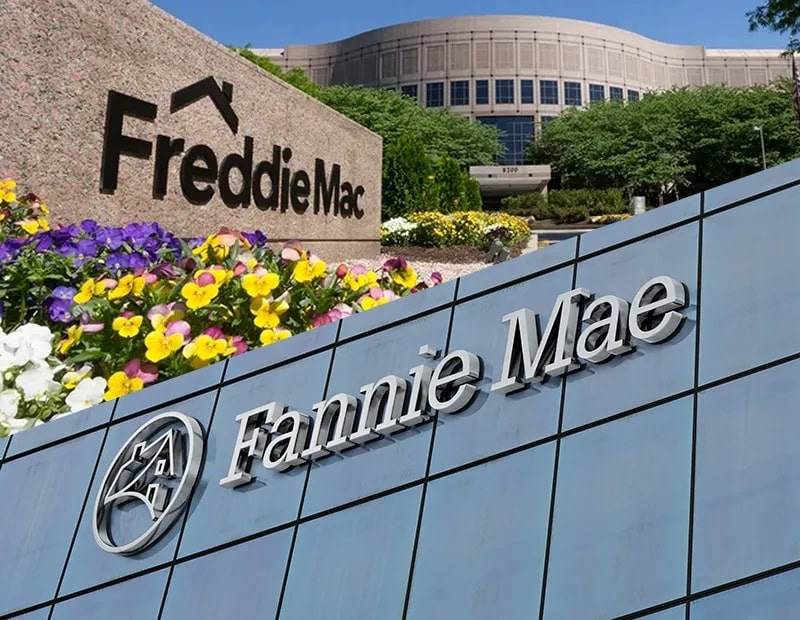


The federal regulator overseeing Fannie Mae and Freddie Mac has instructed the mortgage finance giants to begin evaluating homebuyers’ cryptocurrency holdings as part of their mortgage purchasing criteria.
William Pulte, director of the Federal Housing Finance Agency (FHFA), issued a directive Wednesday requiring the two entities to draft a proposal that considers cryptocurrency as a qualifying asset for borrower reserves when assessing the risk of single-family home loans.
In the order, Pulte emphasized that the agencies “should not require cryptocurrency assets to be converted to U.S. dollars” in their risk assessments. Instead, they are to include only those crypto assets that “can be evidenced and stored on a U.S.-regulated centralized exchange subject to all applicable laws.” The directive takes effect immediately.
Pulte, who became head of the FHFA in March, has personal ties to the crypto world. Public records show that as of January 2025, his spouse owned between $500,000 and $1 million worth of bitcoin, along with a similar stake in Solana’s SOL token.
Use of cryptocurrency in home purchases remains relatively rare. A survey by the National Association of Realtors found that among homebuyers between July 2023 and June 2024, just 1% reported using proceeds from cryptocurrency sales for a down payment.
Traditionally, banks have required crypto holdings to be liquidated and converted into dollars before considering them in mortgage applications. The new guidance seeks to change that dynamic and encourage more flexible underwriting standards.
“This is a big win for advocates of cryptocurrencies who want crypto to be treated the same way as other assets are,” said Daryl Fairweather, chief economist at Redfin.
While assets like stocks already count toward reserves required by lenders, volatile investments like crypto or individual stocks are often given lower weight. “As long as lenders are appropriately discounting crypto based on volatility, it’s fine that crypto investments count toward reserves,” Fairweather added.
The move is intended to broaden how lenders assess borrower creditworthiness, with the hope that more Americans can qualify for a home loan. It also reflects the growing role cryptocurrencies play as an alternative to traditional investments such as stocks and bonds.
Fannie Mae and Freddie Mac have been directed to develop and submit their proposals “as soon as reasonably practical,” according to Pulte’s order.
As major players in the U.S. housing finance system, Fannie and Freddie purchase qualified mortgages from banks, injecting liquidity into the housing market. The two firms collectively back around half of the $12 trillion mortgage market and remain critical to the stability of the broader economy.
“If Fannie and Freddie are going to accept cryptocurrency as collateral, that’s a strong incentive for banks to shift their practices,” said Danielle Hale, chief economist at Realtor.com. “Because people who might otherwise have to sell cryptocurrency to qualify — and maybe that’s a deal-breaker for them now — under this new policy, they can qualify. It sort of expands the potential pool of eligible buyers.”
The housing market has faced a sustained slowdown since mortgage rates began rising in early 2022, reversing the pandemic-era boom. Home sales in 2023 dropped to their lowest point in nearly three decades and have remained sluggish through 2024.
As of April, the market had nearly 34% more sellers than buyers, according to Redfin — a sign of persistent buyer hesitancy amid high rates and rising home prices.



 Pump Radar
 Stock Alerts