
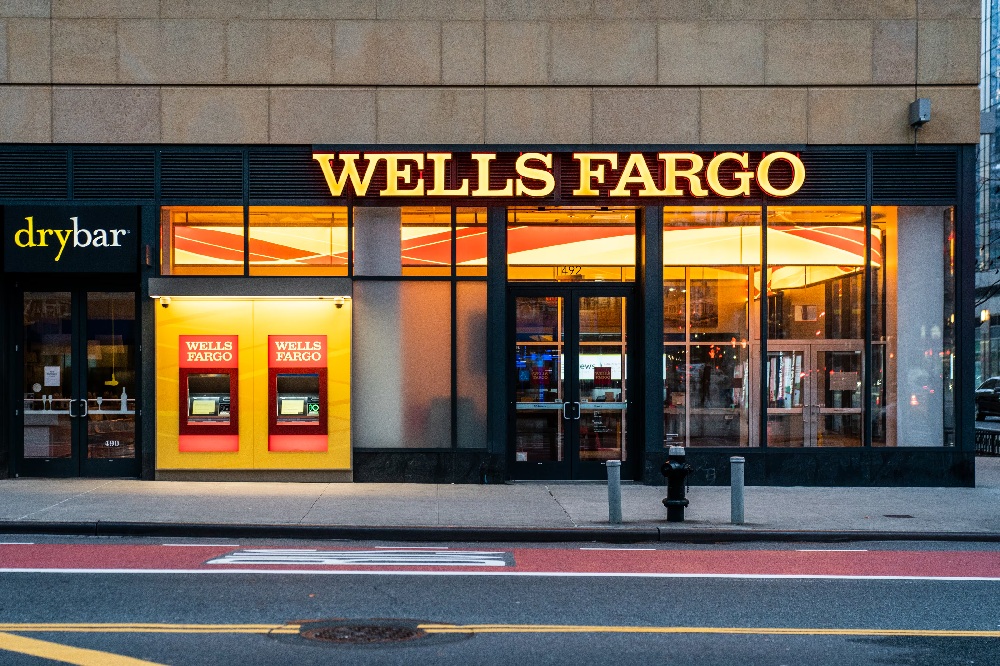


The Federal Reserve is lifting a key restriction on Wells Fargo (WFC), nearly ten years after the bank’s infamous fake accounts scandal. The decision removes a $1.95 trillion cap on the bank’s assets, a limit imposed in 2018 after regulators cited widespread consumer abuses.
The move marks a major win for CEO Charlie Scharf, who took the helm in 2019 and made restoring the bank’s reputation his top priority.
“This is a pivotal milestone in our transformation,” Scharf said in a statement. “We are a different and far stronger company today because of the work we’ve done.”
Wells Fargo shares jumped as much as 3% in premarket trading Wednesday, and are now up over 50% since Scharf became CEO. The asset cap’s removal gives the bank room to grow and signals that the Fed believes Wells Fargo has made “substantial progress” in fixing internal issues.
In its statement, the Fed said the decision reflects that Wells Fargo has met the necessary conditions for lifting the growth restriction, but other parts of the 2018 consent order remain in place until the bank completes additional reforms.
The cap had been a major constraint, blocking the bank from expanding beyond its 2017 year-end asset level. Scharf has now resolved 13 regulatory consent orders, including seven in 2025 alone, as part of his campaign to overhaul the company’s governance, culture, and compliance systems.
With the cap gone, Scharf can shift focus to growth—particularly in investment banking, where Wells Fargo still lags behind competitors like Goldman Sachs (GS), JPMorgan Chase (JPM), and Morgan Stanley (MS).
Still, executives have cautioned against expecting immediate financial upside. “It’s not a light switch moment,” CFO Mike Santomassimo said earlier this year, noting that regulatory scrutiny will continue.
Wells Fargo remains under additional enforcement actions from the Office of the Comptroller of the Currency (OCC), including over anti-money laundering deficiencies and violations of the Gramm-Leach-Bliley Act.
Former Fed Vice Chair for Supervision Michael Barr, who recently stepped down, emphasized that the Fed will maintain close oversight:
“Removing the asset cap reflects strong leadership and accountability,” he said. “But sustainable improvement will require continued diligence from management and the board.”
Though the Fed’s decision doesn’t close the book on Wells Fargo’s regulatory challenges, it marks a major turning point for a bank that has spent years working to rebuild trust and credibility.


 Pump Radar
 Stock Alerts