
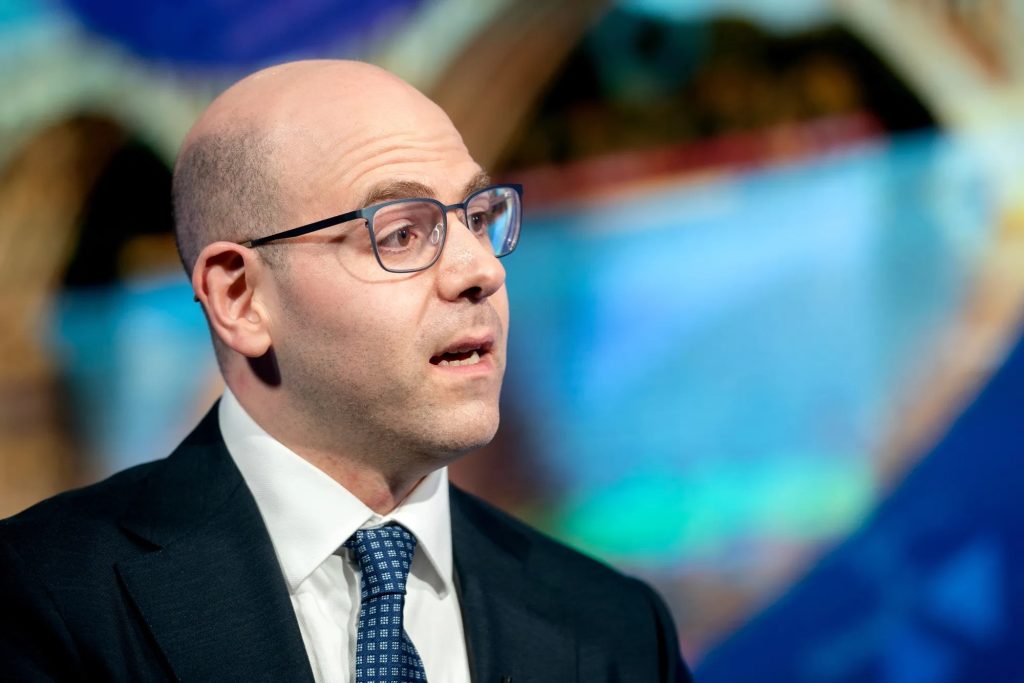
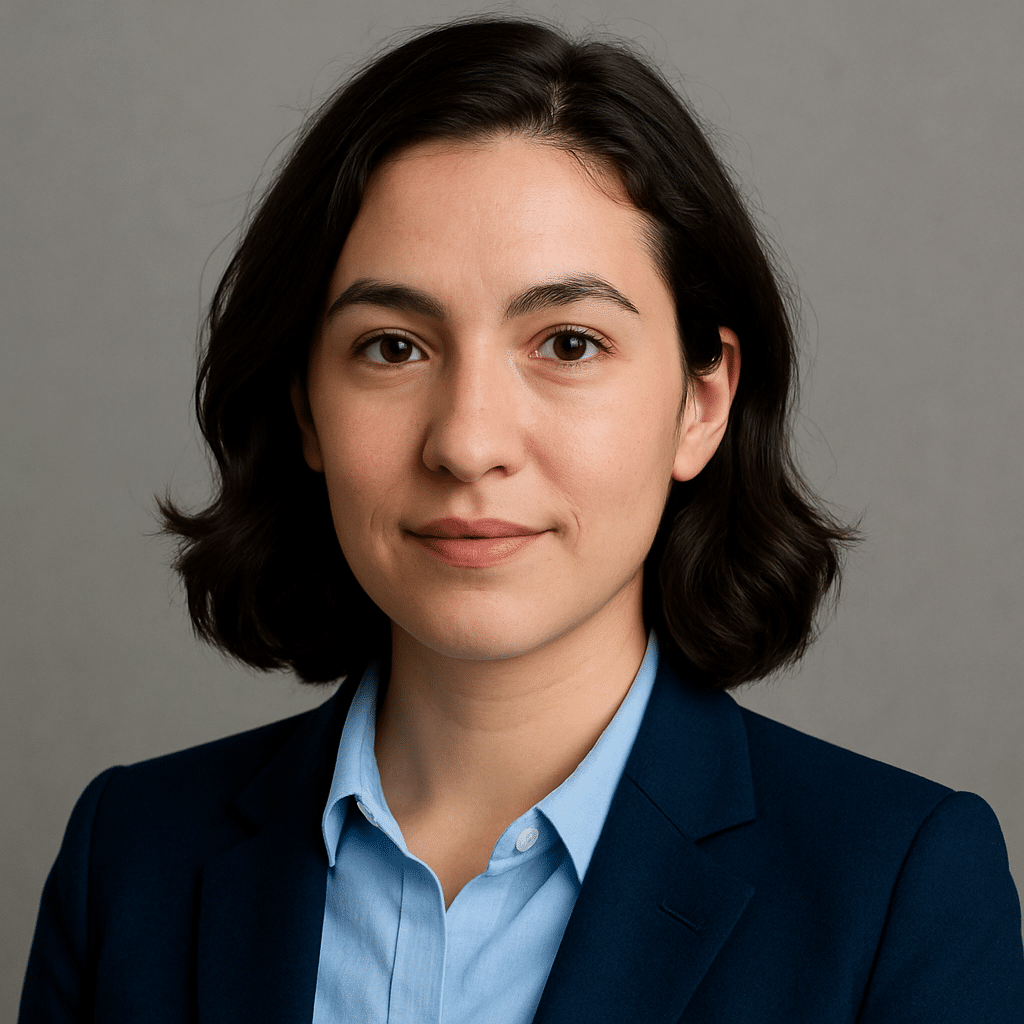

Federal Reserve Governor Stephen Miran told CNBC on Friday that he does not expect President Trump’s tariffs to produce significant inflation in the U.S. economy, placing him in the minority among Fed policymakers.
“I’m clearly in the minority in not being concerned about inflation from tariffs,” Miran said on CNBC’s Money Movers. “But that was also true in 2018-2019, and I think I probably could take a little victory lap about that.” He acknowledged that tariffs may cause relative price changes but argued these are not the type of macroeconomically significant inflation that monetary policy should respond to.
Miran was the lone dissenter among the 12 Federal Open Market Committee voters during Wednesday’s decision to cut the benchmark overnight rate by a quarter-point, advocating instead for a larger half-point reduction. Explaining his vote, he emphasized that he sees “no material inflation from tariffs” and pointed to data showing no meaningful difference between inflation in import-intensive core goods versus overall core goods. He also noted that U.S. core goods inflation trends align closely with those in other countries.
Despite Miran’s view, most measures indicate inflation remains above the Fed’s 2% target this year, with the full committee projecting it will not return to target until 2028.
Looking ahead, Miran expects stronger growth in the second half of 2025. He suggested that uncertainty surrounding trade and tax policies held back growth in the first half. He also said Trump’s border and immigration policies could have a disinflationary effect: “If you add millions of new immigrants into a country in a short period of time, it’s going to drive shelter prices up. If you close that border, and then you have negative debt migration … that’s going to have a very disinflationary effect.”
Miran was confirmed by the Senate on Monday to fill the seat vacated by former Governor Adriana Kugler. He will serve for the remainder of her term, which expires Jan. 31, 2026. During his confirmation hearing, he said he would take an unpaid leave from his role as chair of the White House Council of Economic Advisors rather than resign entirely.
 Pump Radar
 Stock Alerts