
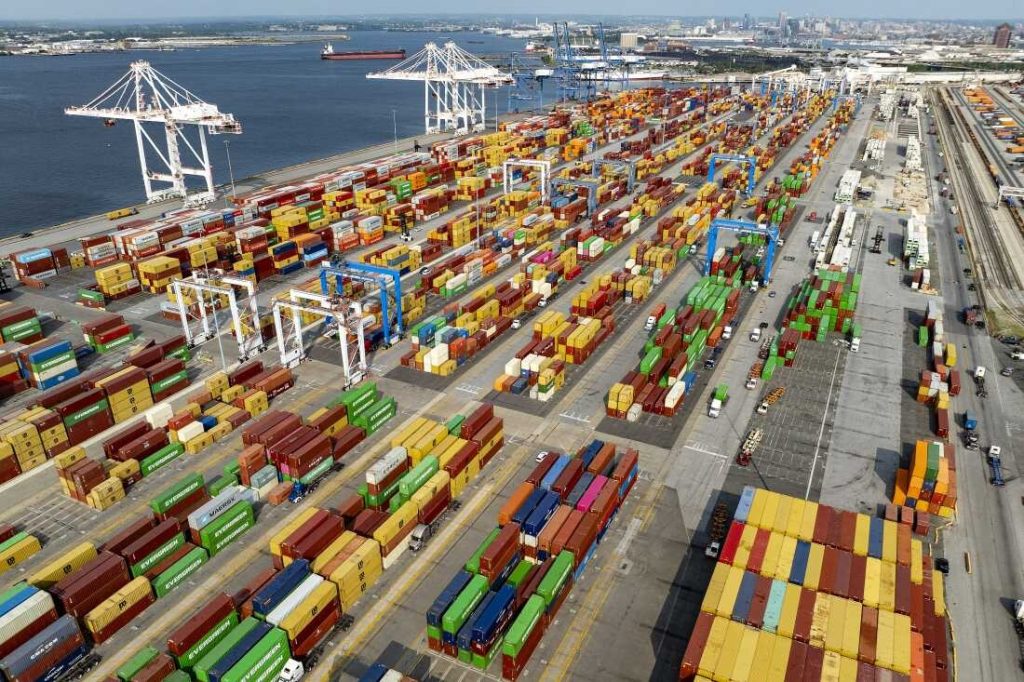


Goldman Sachs economist David Mericle on Wednesday reaffirmed the firm’s controversial projection that U.S. consumers will ultimately bear the bulk of costs from President Trump’s tariffs, despite sharp criticism from the president.
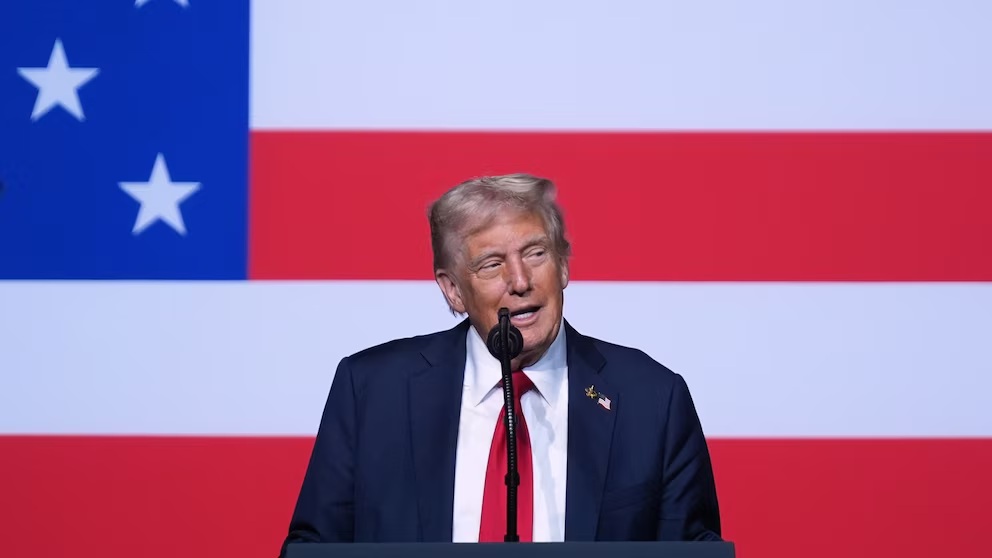
Trump targeted Goldman in a Truth Social post on Tuesday, suggesting CEO David Solomon should “get a new Economist” or consider resigning. Mericle, however, told CNBC that the bank remains confident in its research.
“We stand by the results of this study,” he said on Squawk on the Street. “If the most recent tariffs, like the April tariff, follow the same pattern that we’ve seen with those earliest February tariffs, then eventually, by the fall, we estimate that consumers would bear about two-thirds of the cost.”
The source of Trump’s frustration was a weekend note authored by Goldman economist Elsie Peng. The report indicated that while exporters and businesses have absorbed most of the tariff burden to date, the cost is expected to shift to consumers over the coming months. According to Goldman’s models, consumers could take on roughly two-thirds of total tariff costs. If this holds true, the personal consumption expenditures (PCE) price index, the Federal Reserve’s main measure of inflation, could rise to 3.2% by year-end, excluding food and energy. For comparison, core PCE inflation in June was 2.8%, while the Fed targets 2%.
Mericle explained the mechanism behind the expected pass-through. “If you are a company producing in the U.S. who is now protected from foreign competition, you can raise your prices and benefit,” he said. “So those are our estimates, and I think actually, they’re quite consistent with what many other economists have found.”
He also suggested that, despite the rising cost pressures for consumers, the Fed is unlikely to be significantly swayed in the near term. “I do think most of the impact is still ahead of us. I’m not worried about it. I think, like the White House, like Fed officials, we would see this as a one-time price level effect,” Mericle said. “I don’t think this will matter a whole lot to the Fed, because now they have a labor market to worry about, and I think that’s going to be the dominant concern.”
Following modest gains in the consumer price index earlier this week and a weak July nonfarm payroll report—including downward revisions to the prior two months—markets are increasingly pricing in interest rate cuts at each of the Fed’s remaining three meetings this year.

 Pump Radar
 Stock Alerts