
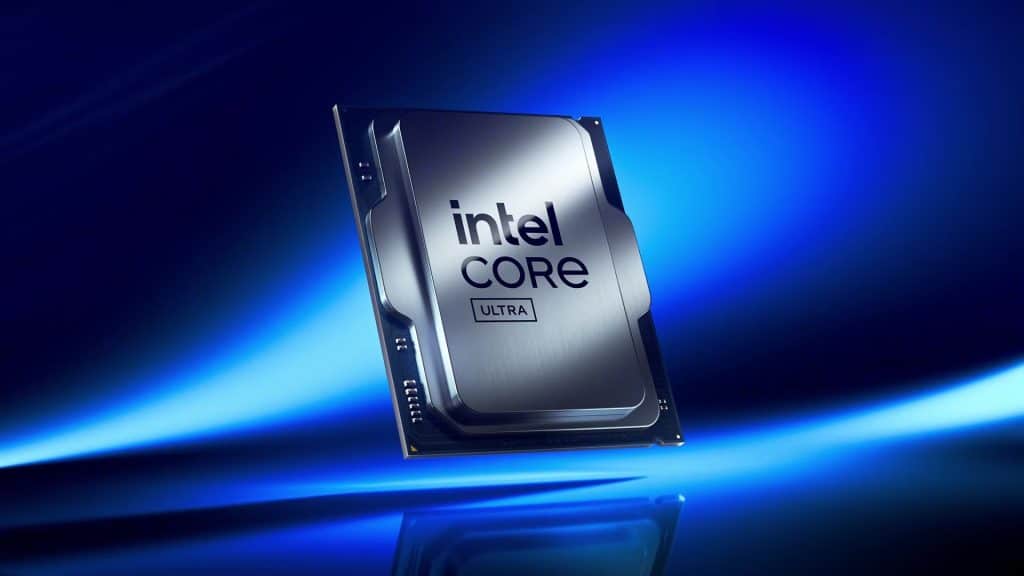


Intel (INTC) reported second-quarter results late Thursday, beating revenue expectations but missing on earnings per share due to impairment charges. The company also announced a sweeping cost-cutting effort, including a 15% workforce reduction and the cancellation of key factory projects in Europe.
For the quarter, Intel posted an adjusted loss per share of $0.10 on revenue of $12.8 billion. Analysts had expected adjusted EPS of $0.01 on $11.8 billion in revenue, according to Bloomberg consensus estimates. That compares to adjusted EPS of $0.02 and the same revenue in Q2 last year.
The company cited an $800 million non-cash impairment and accelerated depreciation charges related to “excess tools with no identified re-use,” along with approximately $200 million in one-time costs for the quarter.
Intel said it will cut its headcount by 15%, targeting a workforce of around 75,000 by year-end. The company also confirmed it is canceling planned facilities in Germany and Poland and slowing construction on its Ohio plant.
Despite the job cuts, Intel issued a better-than-expected Q3 revenue outlook of $12.6 billion to $13.6 billion, surpassing Wall Street’s $12.6 billion forecast.
Initially up more than 2% after the report, Intel shares reversed course and dropped nearly 5% in Friday premarket trading. The stock is down 28% over the past 12 months but remains up 13% year-to-date. As of Thursday, Intel’s market cap stood at $98 billion—far behind AMD’s $262 billion and Nvidia’s $4 trillion valuation.
Intel’s Products business, which includes CPUs for laptops, desktops, and AI/data center chips, generated $11.8 billion in revenue, topping expectations of $10.9 billion. Its Foundry segment brought in $4.4 billion, slightly above the $4.3 billion forecast, up 2% year over year.
The company faces intensifying pressure from competitors. AMD (AMD) continues to gain share, while Qualcomm (QCOM) is expanding into the PC chip market with its Snapdragon X Plus and X Elite offerings.
Intel had previously announced deals to manufacture chips for Microsoft and Amazon using its next-gen 18A technology, which former CEO Pat Gelsinger had positioned as key to its manufacturing ambitions. While earlier reports questioned whether 18A would be offered to outside clients, CEO Tan said he plans to expand internal use of the technology first: “That will allow us to attract customers to the product in the future.”



 Pump Radar
 Stock Alerts