



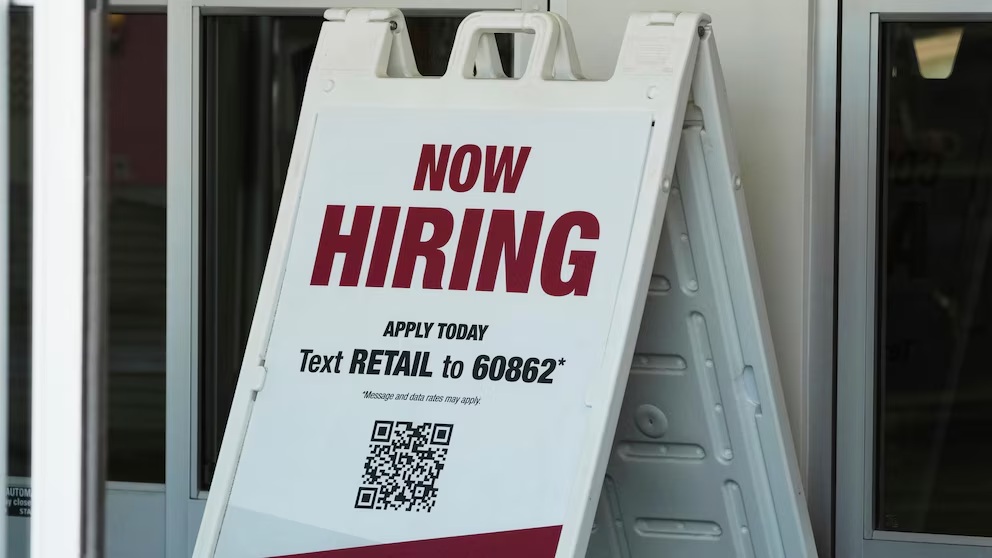
Initial jobless claims in the U.S. tumbled to 218,000 last week, far below expectations and easing concerns that the labor market is weakening. The Labor Department reported that first-time filings for the week ending September 20 declined by 14,000 from the prior week’s upwardly revised figure and were well below the consensus estimate of 235,000. Continuing claims, which run a week behind, were largely unchanged, dipping slightly to 1.926 million.
The report comes just one week after the Federal Reserve cut its benchmark interest rate by a quarter point to a range of 4% to 4.25%, citing rising downside risks to employment as part of its rationale for easing policy. Nonfarm payroll growth has slowed significantly, and job openings remain near multiyear lows, prompting some concern that labor market conditions might be softening. Yet the latest claims data suggest that employers are still reluctant to let go of workers despite a slowdown in hiring. Regional volatility persists, with states like Texas showing notable swings; unadjusted figures for Texas alone reflected a decline of nearly 7,000 filings last week.
Beyond the labor market, broader economic indicators point to underlying strength. The Commerce Department’s final estimate for second-quarter gross domestic product (GDP) showed a 3.8% annualized gain, up half a percentage point from previous estimates thanks to stronger consumer spending. This comes after a 0.6% contraction in Q1, highlighting a sharp rebound in economic activity. Personal consumption expenditures, which account for roughly two-thirds of the $30 trillion U.S. economy, rose 2.5%, exceeding prior estimates and signaling continued resilience in household spending.
Durable goods spending also surprised to the upside. Purchases of long-lasting items—including airplanes, appliances, and computers—rose 2.9% in August, well above forecasts for a 0.4% decline, and reversed July’s 2.7% drop. Even when excluding transportation and defense, durable goods orders showed solid growth, underscoring a broad-based strength in consumer demand.
Housing, one of the weaker spots in the economy, is also showing signs of recovery. Sales of newly built homes jumped 20.5% in August, the largest gain since January 2022, while existing home sales totaled an annualized rate of 4 million, slightly exceeding expectations.
Despite these positive signals, markets continue to anticipate that the Fed will deliver two additional rate cuts this year, likely at its October and December meetings. Fed Chair Jerome Powell noted in a recent speech that the economy is “showing resilience in the midst of substantial changes in trade and immigration policies, as well as in fiscal, regulatory and geopolitical arenas.” At the same time, he left the door open for further easing, observing that current policy remains “modestly restrictive” and could be adjusted if needed to support growth.
Overall, the latest data suggest that the U.S. labor market and consumer spending remain stronger than feared, providing the Federal Reserve with a more stable backdrop as it considers its next steps in monetary policy.


 Pump Radar
 Stock Alerts