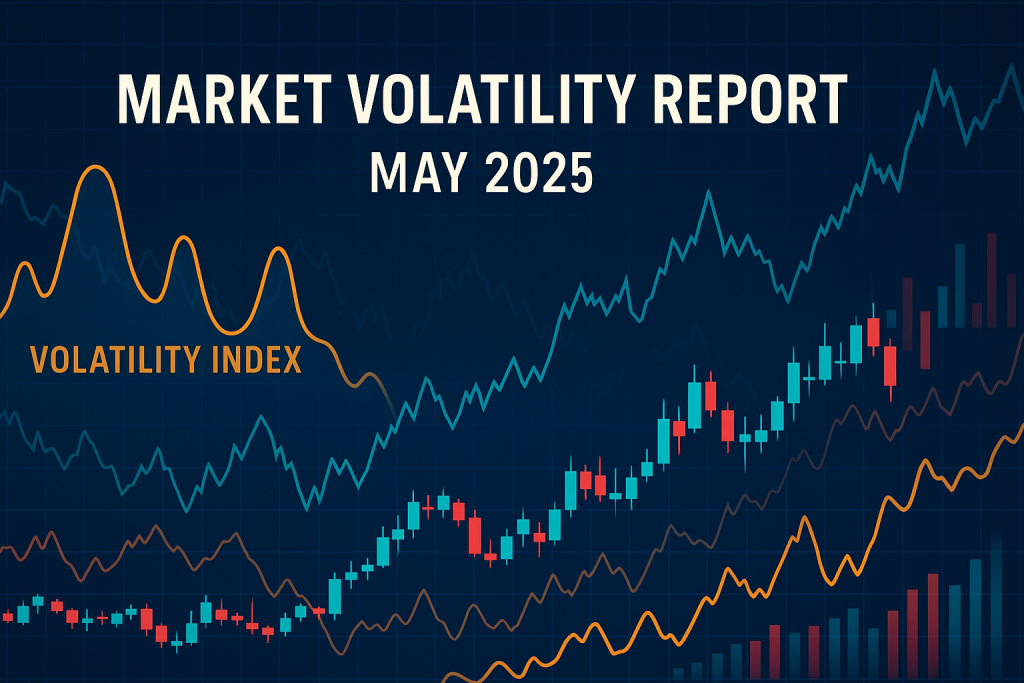


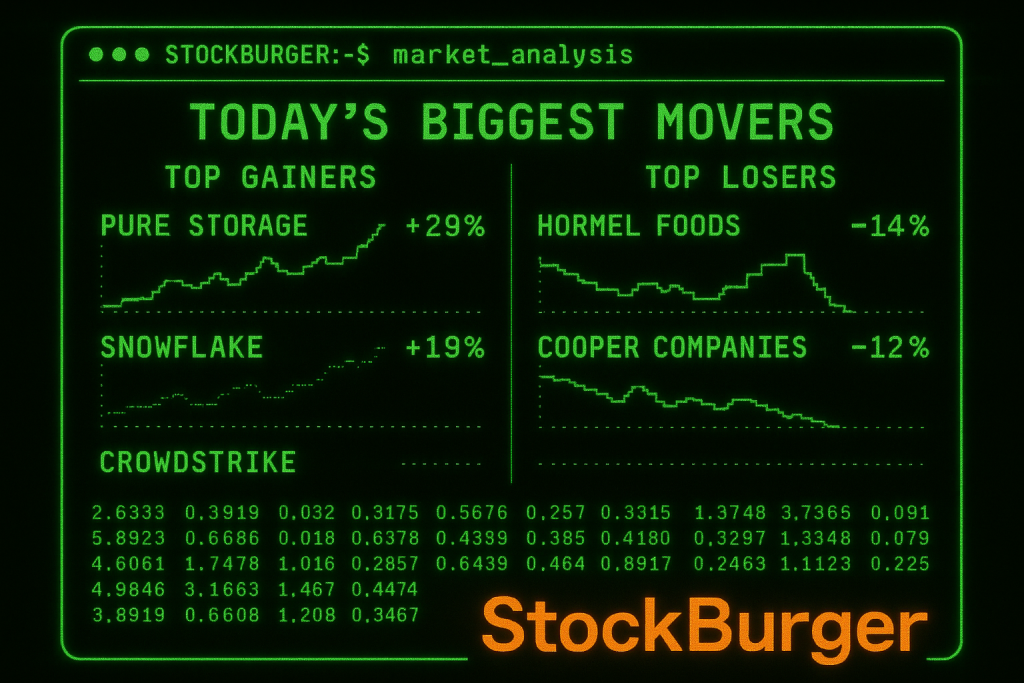
As May 2025 unfolds, market volatility has increased, driven by a mix of economic data, earnings surprises, and geopolitical risks.
Intro Summary
This article breaks down the key factors behind recent market swings and what investors should watch.
Main Drivers of Volatility
• Mixed economic signals on inflation and employment
• Central bank actions in the U.S. and Europe
• Earnings season surprises in tech and consumer sectors
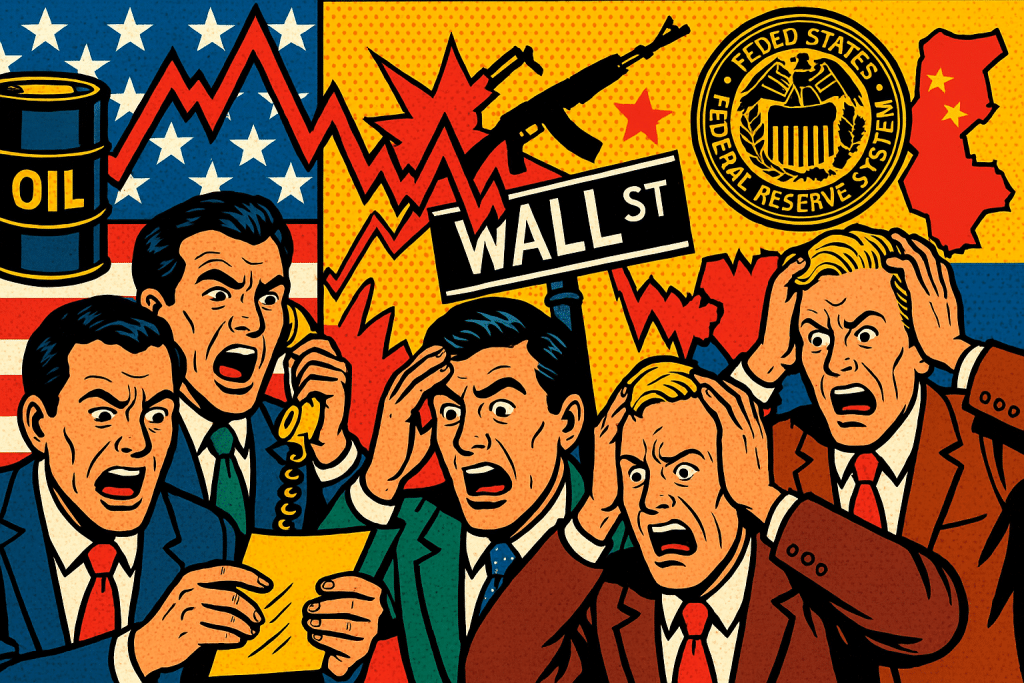
• Rising geopolitical tensions impacting energy prices
• Shifts in investor sentiment between risk-on and risk-off assets
“Volatility isn’t necessarily bad—it creates opportunities for disciplined investors,” said Laura Grant, senior strategist at Horizon Equity.
Why It Matters
-
High volatility affects portfolio construction and risk management
-
Traders rely on tools like the VIX to gauge fear levels
-
Hedging strategies become more relevant during turbulent periods
Analyst Take
Experts recommend maintaining diversified allocations and avoiding emotional reactions.
“Stick to your long-term plan, but be ready to rebalance if fundamentals shift,” said Mark Ellis, portfolio manager at ClearEdge.
Conclusion
May’s market volatility serves as a reminder that risk management remains critical, even during bull markets.
Disclaimer
This article is for informational purposes only and does not constitute investment advice.
 Pump Radar
 Stock Alerts