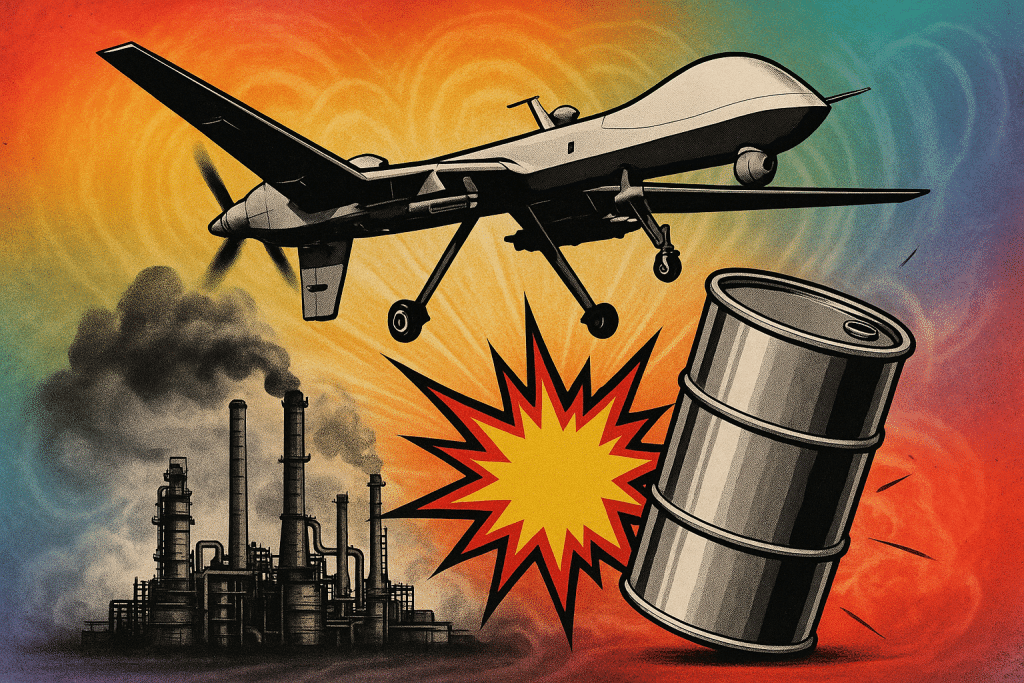


Global markets roiled on June 13–14 as escalating military strikes between Israel and Iran sent oil prices soaring, stock markets tumbling, and safe‑haven assets rallying. The Israel Defense Forces (IDF) launched Operation Rising Lion – targeting Iran’s nuclear and military sites – which prompted swift retaliation from Tehran. The result: oil soared up to 11% intraday, equities dropped sharply, and investors scrambled for safety in assets like gold and U.S. Treasuries.
Oil Prices Spike – Largest Daily Gain in Over a Year
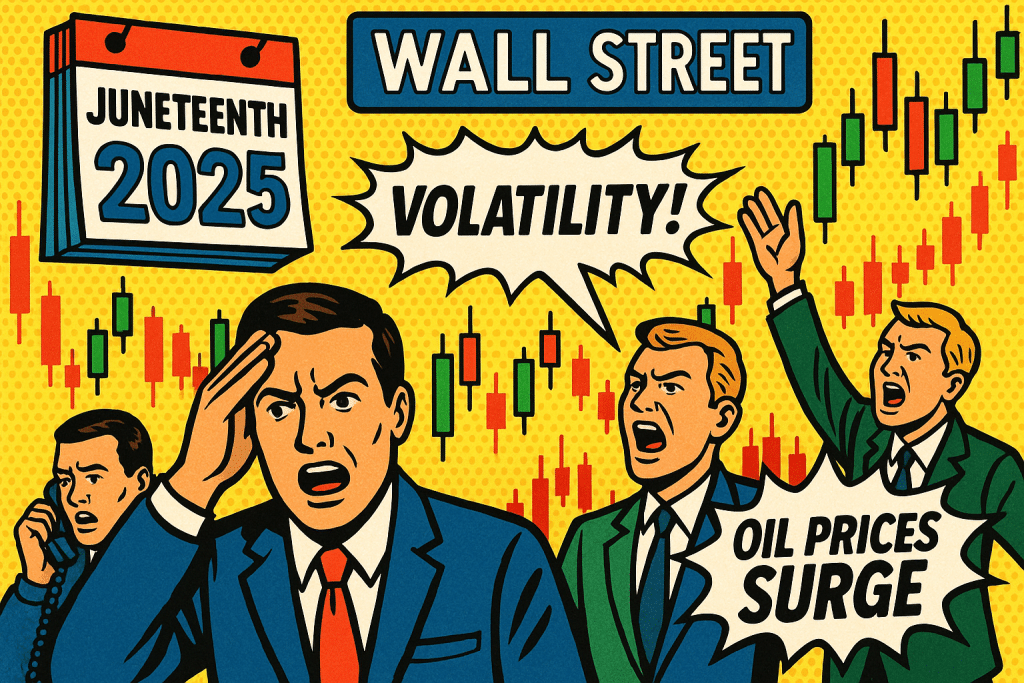
Oil markets reacted with panic to the geopolitical flare‑up. Brent crude surged as much as 11%, marking the strongest one‑day jump in more than a year, before settling around a 7% increase by the close. U.S. West Texas Intermediate (WTI) prices followed suit, trading above $74 per barrel.
This sharp move reflected supply‑risk fears tied to the Strait of Hormuz – a key chokepoint for nearly 20 million barrels of daily oil flow. While the strait remained open, the potential for escalation in the region dominated traders’ concerns.
U.S. Stocks Plunge on Risk-Off Sentiment
When oil spikes, panic often invades stock markets – and this time was no exception. On June 13, the Dow dropped about 1.8% , the S&P 500 lost approximately 1.1%, and the Nasdaq fell near 1.3% . Small-cap stocks lagged even further as investors shifted into large-cap, defensive holdings.
Futures had already begun pricing in the selloff earlier in the day, and global markets mirrored U.S. losses as Asia and Europe joined in – Japan and South Korea dipping around 1%, with the Stoxx Europe 600 also under pressure .
Safe‑Haven Assets Rally
Amid the turmoil, investors flocked to perceived safety. Gold prices jumped – spot gold rose about 1.3% and U.S. futures increased roughly 1.5%, reaching near one‑month highs. At the same time, U.S. Treasuries rallied, sending yields lower as bond markets entrenched safe‑haven demand.
Differing Market Views on Supply Risk
Despite the flames of conflict, analysts cautioned that real crude disruptions remained unlikely. Although prices spiked, Goldman Sachs and Citi both noted that, barring an Iran‑produced blockade of Hormuz, physical supply chains had yet to be impacted. Still, they acknowledged the risk premium reflected market caution.
Reuters described markets as searching for clarity from what hasn’t happened. The Strait remains open, and no major production hubs were struck – signals that the supply shock may be more perceived than physical.
Sector Breakdown: Energy and Defense Gain, Airlines Slide
Sector‑wise, energy stocks led the charge as oil surged, while airlines and travel-dependent firms slumped on fear of higher fuel costs and potential airspace disruptions .
Defense equities saw modest gains, underpinned by expectations of increased spending amid regional instability. Airlines, however, bore the brunt of the selloff – shares of major carriers dropped sharply as panic over Middle East risks and rising oil prices weighed .
The Human Toll and Regional Fallout
Beyond market reactions, on‑the‑ground realities worsened. Reuters reported over 400 fatalities in Iran, including nuclear scientists and senior IRGC commanders; Iran struck back with missiles and drones targeting cities like Tel Aviv and Haifa. Civilian flights were suspended, and Iranian gas prices spiked – especially noticeable in the U.S. Gulf region, where petrol prices rose roughly 8% by Sunday.
What Lies Ahead? Watch for Escalation or De‑Escalation
The immediate question: will this spiral further – or calm? Analysts highlight the ambiguity. If Iran attempts to block Hormuz, oil could approach $100 per barrel. But should further retaliation avoid energy infrastructure, markets may steady.
Oil’s ongoing volatility – surging early Friday then trimming gains Monday – signals investor anxiety but also hopes that no supply channels are disrupted .
Implications for Investors
In market upheaval, here’s what traders should watch:
- Rising oil trends. Sustained prices above $75–80 per barrel raise concerns about inflation and force central banks to react.
- Treasury vs. equity flows. If safe‑haven appeal grows, expect yields to stay depressed even as stock volatility rises.
- News flow on supply routes. Any reports about Hormuz closures or refinery damage could trigger sharp oil rallies – and equities sell‑offs.
- Geopolitical diplomacy. International pressure or U.S.-mediated ceasefire talks may calm markets as quickly as conflict drove them ﹣ but uncertainty will likely linger until resolution.
Final Word
June 13–14 offered a stark reminder: geopolitical shocks can upend markets in days. The Israel–Iran confrontations rattled oil, equity, bond, and gold markets in one swift sweep. But beyond volatility, investors should note the lack of real crude disruption – for now.
Still, the Gulf is a tinderbox: one misstep – whether a missile launch, tanker incident, or diplomatic breakdown – could trigger another wave of market turbulence. Until then, cautious vigilance is the order of the day: Monitor the headlines, oil charts, and yield curves before placing any bets.

 Pump Radar
 Stock Alerts