
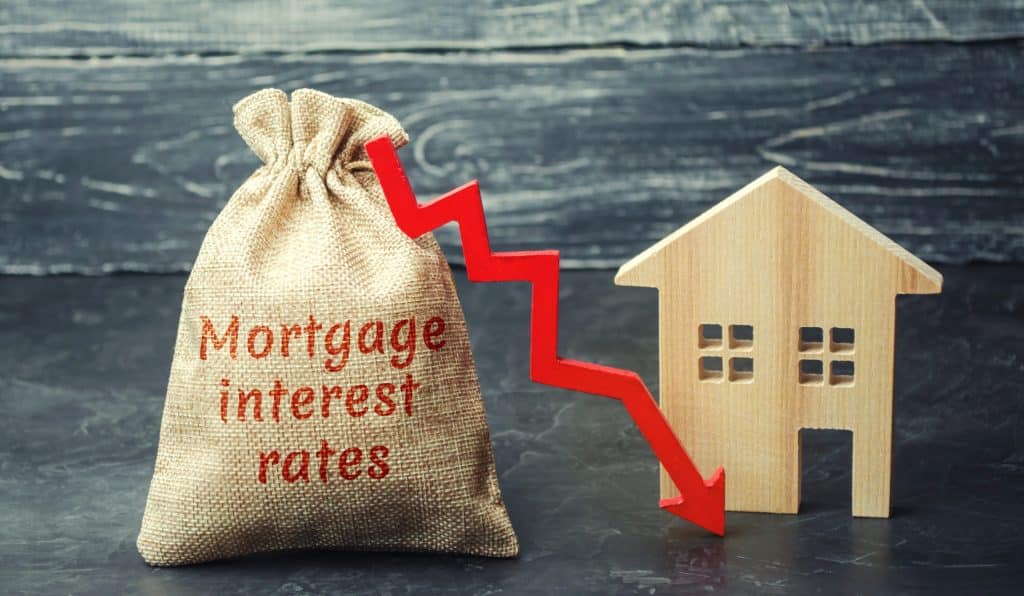


Mortgage rates continued their descent this week, reaching an 11-month low, as investors reacted to softer-than-expected employment data and looked ahead to the Federal Reserve’s highly anticipated policy meeting. The average rate for a 30-year fixed mortgage fell to 6.35% in the week ending Wednesday, down from 6.5% just a week earlier, according to Freddie Mac. Meanwhile, 15-year fixed loans averaged 5.5%, a modest drop from 5.6%. Both figures mark the lowest levels observed since October 2024.
The most recent decline in mortgage rates began late last week after the Bureau of Labor Statistics reported that the U.S. economy added only 22,000 jobs in August, far below expectations. Revisions to job growth data from May through July further underscored the slowdown in hiring. Following this report, 10-year Treasury yields, which closely influence mortgage rates, fell sharply. Yields continued to drift lower Thursday amid a surge in weekly jobless claims and inflation data that largely matched economists’ forecasts.
The downward trend in mortgage rates has been bolstered by anticipation of a potential interest rate cut from the Fed at its upcoming meeting on Sept. 17. Market participants currently place nearly a 90% probability on a 25-basis-point reduction. Still, analysts caution that mortgage rates could reverse course quickly, as they did last year following a 50-basis-point Fed rate cut in September.
Lower rates have had a pronounced effect on borrowing activity. According to the Mortgage Bankers Association, applications to purchase a home jumped 7% from the previous week and are now 23% higher than a year ago. Refinance applications climbed 12% week-over-week and are up 34% compared with the same period last year.
“The downward rate movement spurred the strongest week of borrower demand since 2022, with both purchase and refinance applications moving higher,” said Joel Kan, vice president and deputy chief economist at the MBA. “This demonstrates that buyers and homeowners remain highly responsive to shifts in mortgage rates, with many seeking to lock in favorable terms ahead of potential Fed actions.”
With mortgage rates hovering near yearly lows, the housing market is experiencing renewed momentum, particularly among first-time buyers and homeowners looking to refinance. Industry experts caution, however, that any future movement in Treasury yields or inflation data could quickly alter the landscape, underscoring the sensitive balance between macroeconomic conditions and borrowing costs.



 Pump Radar
 Stock Alerts