
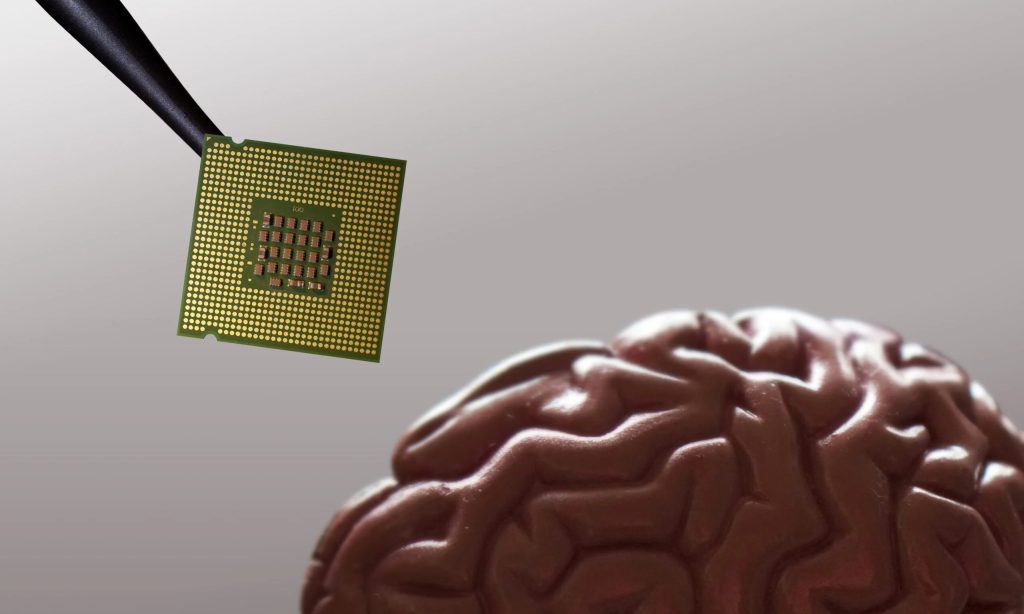


Neurotechnology startup Paradromics has successfully implanted its brain-computer interface (BCI) in a human for the first time, marking a significant milestone for the company. The procedure took place on May 14 at the University of Michigan, involving a patient already undergoing neurosurgery for epilepsy treatment.
During the surgery, Paradromics’ device was implanted and removed within about 20 minutes. The company confirmed that the system can be safely implanted and effectively record neural activity, paving the way for the startup’s transition into a clinical-stage company after nearly a decade of development.
Pending regulatory approval, Paradromics plans to launch a clinical trial later this year to evaluate the long-term safety and functionality of its technology in humans.
Matt Angle, Paradromics’ founder and CEO, shared with CNBC, “We’ve demonstrated in animal models that our device leads the field in data quality and longevity, and now we’ve proven it is compatible with human brains. This is incredibly exciting and sets the stage for our upcoming clinical trials.”
Paradromics’ Connexus Brain-Computer Interface is designed to decode brain signals and translate them into commands for external devices. Initially, the system aims to assist patients with severe motor disabilities, such as paralysis, enabling them to communicate through a computer.
Although the BCI has not yet received U.S. FDA approval and faces a lengthy path before commercialization, the successful procedure represents a major breakthrough for the company, which was founded in 2015.
“You go through countless validation steps and build confidence that the system will work, but when it actually does, it’s deeply gratifying,” Angle said.
The University of Michigan conducted the implant under research protocols that allow use of new devices when they pose no significant risk to patients. Dr. Oren Sagher, a neurosurgery professor, supervised the clinical aspects, while Dr. Matthew Willsey, assistant professor of neurosurgery and biomedical engineering, led the research, including device placement.
BCIs have been under academic study for decades, with other startups—including Elon Musk’s Neuralink—also developing similar technologies. Paradromics’ system stands out for its ability to record activity at the level of individual neurons. Angle likened it to placing microphones inside a stadium to capture distinct conversations, rather than outside to hear only crowd noise.
Other notable BCI companies include Synchron, backed by Jeff Bezos and Bill Gates, and Precision Neuroscience, both of which have performed human implants.
As of February, Paradromics has raised nearly $100 million in funding, and recently announced a strategic partnership with Saudi Arabia’s Neom, though investment details remain private.
Neuralink, a competitor and Elon Musk’s brain computer interface startup, has raised $650 million in a new funding round.
Angle concluded, “The final demonstrations are complete, and we’re very excited to move forward with the upcoming clinical trial.”



 Pump Radar
 Stock Alerts