
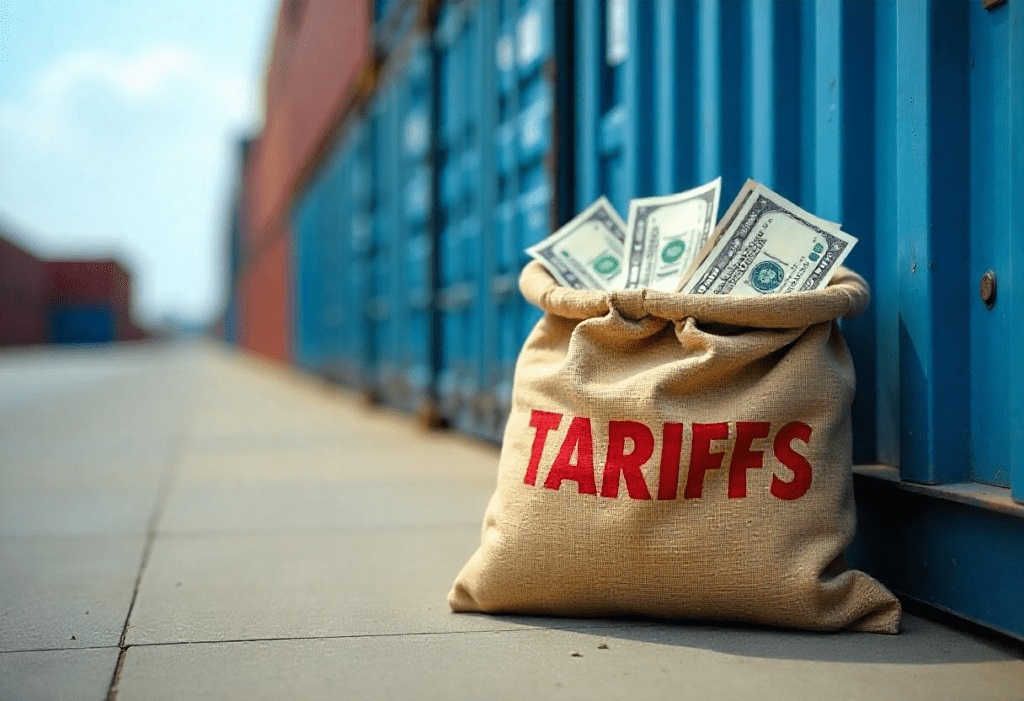


US and Chinese negotiators concluded two days of talks Tuesday in Stockholm without announcing an extension of the tariff pause between the world’s two largest economies. Markets remain on edge as the August 12 deadline for possible new duties approaches.
“We’re going to head back to Washington, D.C., and we’re going to talk to the president about whether that’s something that he wants to do,” said Trade Representative Jamieson Greer after the discussions.
“The president can make a final call,” he added.
Treasury Secretary Scott Bessent described the talks as “a very fulsome two days” and confirmed that a 90-day pause remains possible, with the overall tone being “very constructive.”
President Trump, speaking later from Air Force One, said he had just spoken with Bessent and would decide after a briefing, noting that Bessent “felt good about Tuesday’s meeting.”
“The two sides will continue to push for the continued extension of the pause,” Chinese trade negotiator Li Chenggang said, according to a translation.
However, Trump’s team emphasized that tariff rates could “boomerang” back to the much higher levels seen in April, and that no decision is final until Trump signs off.
Negotiators did not discuss a face-to-face meeting between Trump and Xi Jinping. Instead, the focus was on broad policy issues, including Russian oil consumption, rare earth minerals, and Chinese export controls. Trump expressed hope for a meeting with Xi “before the end of the year.”
The absence of an immediate tariff extension announcement has raised concerns that the current headline tariffs—30% on Chinese imports and 10% on U.S. goods, with some sector-specific tariffs even higher—could increase, potentially returning to triple-digit levels seen earlier this year.
This meeting marked the third recent round between U.S. and Chinese trade teams, building on prior talks in Geneva and London. China’s Vice Premier He Lifeng led the delegation, with Li Chenggang noting “candid exchanges over each other’s trade and economic concerns.”
While no agreement on tariffs was reached, the talks covered progress on semiconductor exports, including plans to resume Nvidia’s AI chip shipments to China, as well as issues surrounding rare earth minerals and Russian oil.
Despite the lack of a tariff announcement, there have been conciliatory signs from the U.S., including a temporary pause on tech export controls to facilitate progress. Additionally, Taiwanese President Lai Ching-te canceled a sensitive Latin America trip that would have included a U.S. stopover, easing tensions with Beijing.
With the August 12 deadline looming, markets are hopeful for a 90-day extension, which analysts say could stabilize trading. Henrietta Treyz of Veda Partners commented, “As long as they push the deadline out 90 days and we don’t revert to those 145% tariffs that the president escalated earlier in the year, then the market doesn’t much care.”
This development follows a significant week in trade policy, including a new agreement announced Sunday with the European Union setting tariffs at 15%, though some trade details remain unresolved.
Meanwhile, trade negotiations continue with several countries—including India, Canada, Taiwan, Mexico, and South Korea—as the White House prepares to announce reciprocal tariffs to take effect Friday for nations without deals. President Trump has indicated that letters informing dozens of countries of new tariffs, generally in the 15-20% range, will be sent in the coming days.
 Pump Radar
 Stock Alerts