
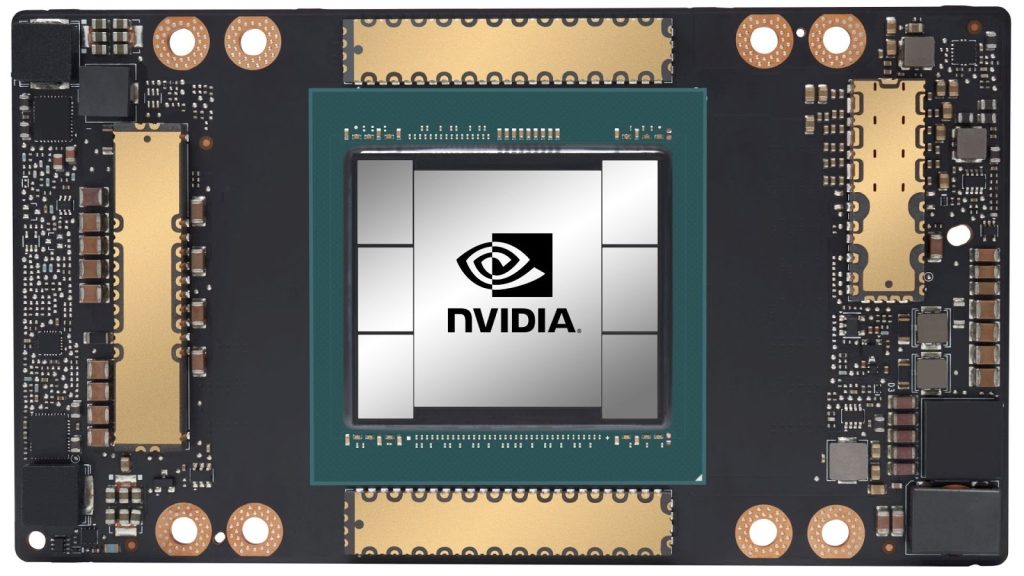


Nvidia CEO Jensen Huang voiced frustration Wednesday after a Financial Times report suggested that China has effectively banned the use of the company’s artificial intelligence chips within the country. According to the report, China’s Cyberspace Administration instructed domestic tech firms, including ByteDance (parent of TikTok) and Alibaba, not to purchase Nvidia’s RTX Pro 6000D chip, which was specifically manufactured for the Chinese market.
Huang said he was “disappointed” by the move but stressed that Nvidia can only operate in markets where it is welcomed. “We probably contributed more to the China market than most countries have. And I’m disappointed with what I see,” he said. “But they have larger agendas to work out between China and the United States, and I’m understanding of that.”
The comments come after a turbulent few years for Nvidia’s business in China, which Huang described as “a bit of a roller coaster.” Speaking at a press briefing in London, he said, “We’ve guided all financial analysts not to include China in forecasts. The reason for that is because that’s largely going to be within the discussions of the United States government and Chinese government.”
The development follows a history of regulatory tension. Previously, the U.S. restricted exports of Nvidia’s AI chips to China, including the H20 server chip, citing national security concerns. In August, however, the White House announced an agreement under which Nvidia would receive export licenses for the H20 chips in exchange for allocating 15% of Chinese sales to the U.S. government.
The latest report represents another challenge to Nvidia’s China operations. Earlier this week, China’s State Administration for Market Regulation opened an anti-monopoly investigation into Nvidia over its acquisition of Mellanox, an Israeli technology company specializing in networking solutions for data centers and servers.
Huang, who is accompanying President Donald Trump on a state visit to the U.K., emphasized the strategic importance of the Chinese AI sector. “The Chinese market is important. It’s large. The technology industry is vibrant. We’ve been in service of it for 30 years,” he said. Despite the geopolitical tensions, he added that Nvidia intends to remain supportive of both the Chinese government and Chinese companies, while continuing to collaborate with the U.S. government as policies evolve.
The announcement coincides with Nvidia’s broader push into international AI infrastructure. On Tuesday, the company unveiled £11 billion ($15 billion) in planned investments into AI development in the U.K., joining a wave of similar commitments from U.S. tech giants including Microsoft, Google, and Salesforce.
Huang’s remarks underscore the balancing act facing global technology companies as they navigate complex geopolitical landscapes, striving to maintain access to large, technologically advanced markets while complying with U.S. national security and export regulations.


 Pump Radar
 Stock Alerts