
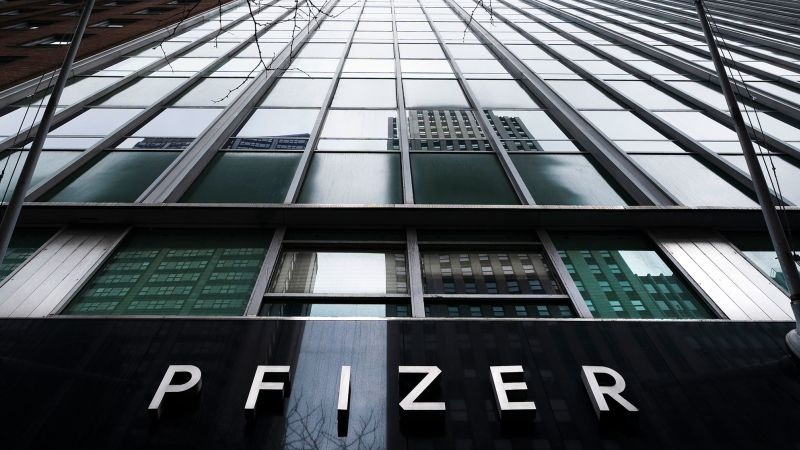

As part of a broader deal with the Trump administration, Pfizer Inc. Chief Executive Officer Albert Bourla said the company secured a three-year grace period from President Donald Trump’s promised tariffs on pharmaceuticals. In return, Pfizer agreed to lower some of its U.S. drug prices as the White House presses forward with its sweeping drug-cost reforms. Bourla coupled the tariff reprieve with an announcement that Pfizer will commit $70 billion over the next several years toward research, development, and domestic manufacturing. The initiative marks one of the largest pledges of its kind and positions Pfizer as a high-profile partner in the administration’s effort to bring pharmaceutical production back to the United States.
Bourla emphasized that the deal provides the kind of predictability the industry has lacked. “We now have the certainty and stability we need on two critical fronts, tariffs and pricing, that have suppressed the industry’s valuations to historic lows,” he said in a statement. The clarity on trade and pricing policy, he argued, will enable Pfizer to plan confidently for its pipeline, allocate capital effectively, and scale up U.S.-based production facilities.
Pfizer also confirmed that the majority of its primary care medicines will be offered through TrumpRx, the administration’s new direct-to-consumer platform for discounted drugs. While the company did not release a full product list, flagship therapies such as the blood thinner Eliquis, the pneumonia vaccine Prevnar, and its Covid pill and shot are expected to be included. The platform is designed to give patients direct access to widely used treatments at lower costs while underscoring the administration’s leverage over pharmaceutical pricing.
The move comes against a backdrop of large corporations cultivating direct ties with the White House. Just last month, Apple CEO Tim Cook won relief from looming tariffs on imported semiconductors after presenting Trump with a gold-and-glass statue in the Oval Office and promising greater U.S. investment. The Pfizer deal fits a similar pattern, with executives leveraging relationships and concessions to secure favorable terms from the administration.
The White House has presented the initiative as a landmark shift in drug affordability. “While Democrats are threatening to shut down the government to subsidize health care for illegal aliens, President Trump is leveraging the power of the federal government to drastically cut drug prices for everyday Americans,” spokesman Kush Desai said. “Democrats talked the talk for decades about drug prices, but only President Trump is actually walking the walk.”
At the center of the administration’s drug-pricing strategy is the “most-favored-nation” policy, which compels pharmaceutical companies to reduce Medicaid prices, raise overseas drug prices, match U.S. prices to the lowest available internationally, and expand direct-to-consumer discount programs for common medications.
Trump first laid out his demands in July through letters to 17 of the world’s largest pharmaceutical companies—including Pfizer, Eli Lilly & Co., and Novo Nordisk A/S—giving them until September 29 to comply. He warned that the White House would “deploy every tool in our arsenal” to punish firms that resisted, signaling a willingness to use executive power to force compliance with pricing directives.
The pharmaceutical industry has pushed back sharply, warning that tying U.S. prices to international benchmarks risks undermining the country’s leadership in biomedical innovation. Executives caution that reduced margins could sap the resources required to fund new research, diminish incentives to develop breakthrough therapies, and ultimately limit patient access to critical medicines. Many argue that if the administration is serious about lowering costs, it should focus on intermediaries in the supply chain—such as pharmacy benefit managers—who negotiate prices on behalf of employers and insurers and often shape what patients pay at the pharmacy counter.
 Pump Radar
 Stock Alerts