


Shares of Chinese toymaker Pop Mart soared more than 12% on Wednesday following the company’s announcement of a staggering near-400% increase in net profit for the first half of 2025, driven by surging global demand for its Labubu dolls. The stock, which initially dropped almost 5% in early trading, reversed course to close up 12.5%, reflecting investor enthusiasm for the unexpected earnings results.
Pop Mart, listed on the Hong Kong Stock Exchange, reported revenue of 13.88 billion yuan ($1.93 billion) for the first six months of the year, representing a 204.4% increase compared with the same period in 2024. Net profit attributable to shareholders soared 396.5% to 4.57 billion yuan, surpassing last month’s forecasts of at least 200% revenue growth and a 350% profit rise.
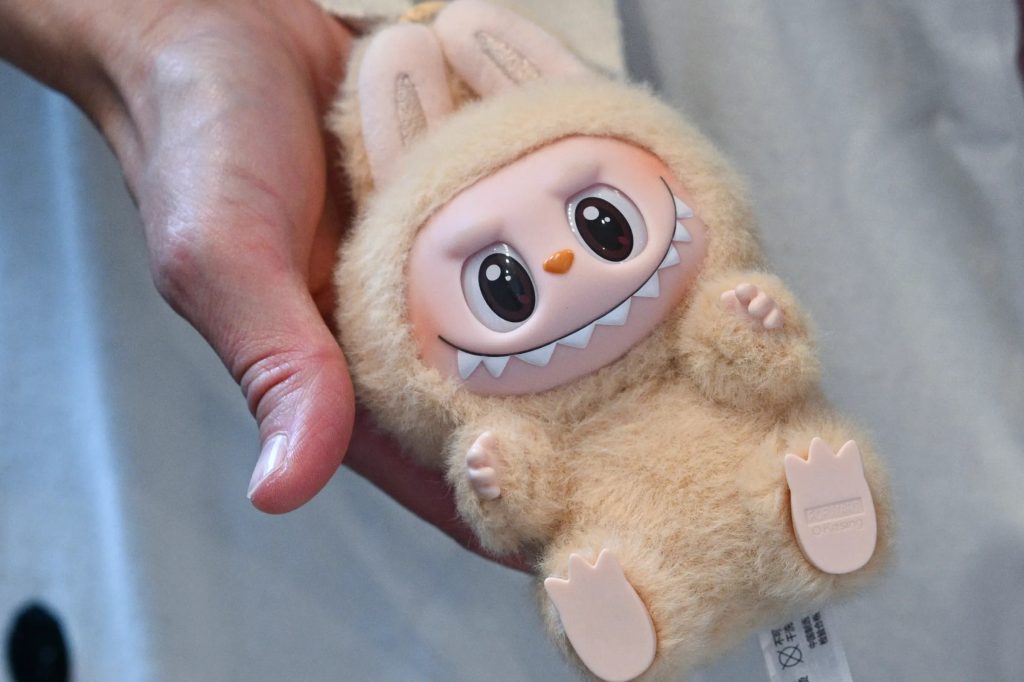
The Beijing-based company’s Labubu line—plush toys known for their “ugly-cute” appeal, featuring sharp teeth and oversized ears—has captured global attention. High-profile fans include Rihanna and Blackpink’s Lisa, who have been spotted with $30 Labubu keychains. The popularity of the dolls has played a significant role in Pop Mart’s remarkable revenue growth and helped propel the company into the spotlight as a key player in the global collectibles market.
“The stock will likely make new highs in the coming weeks,” said Hao Hong, managing partner and CIO of Lotus Asset Management, commenting on CEO Wang Ning’s bullish statements following the earnings call. Hong noted that the sharp price movement could also reflect short-sellers rushing to cover positions in a relatively thin market, amplifying volatility.
William Ma, chief investment officer at Grow Investment Group, suggested that the choppiness in trading could be due to domestic hedge funds and retail investors taking profits, while long-term institutional investors are buying Pop Mart as a strategic play on China’s growing consumer market.
CEO Wang Ning indicated confidence in the company’s trajectory, stating that Pop Mart is well-positioned to reach its 2025 revenue target of 20 billion yuan and could even approach 30 billion yuan this year. The company also plans to launch a miniature Labubu toy this week designed to clip onto phones, further expanding the brand’s presence.
However, the company faces regulatory scrutiny. In June, Chinese state media recommended stricter oversight for blind-box toys and trading cards sold to children under eight, suggesting measures like age verification and parental consent for online purchases. While Pop Mart pioneered the blind-box concept, which reveals toys only after opening mystery packaging, concerns remain about excessive consumer spending by young children.
Analysts caution that the long-term popularity of Pop Mart’s products remains uncertain. Jeff Zhang, equity analyst at Morningstar, said, “While sales growth of Labubu and other IPs remain robust, there is no guarantee that consumers will continue to favor them in the next 5–10 years, as preferences can change very quickly. Shares likely remain overpriced as investors may be overlooking the high business risk in the long run.”
Pop Mart has also seen substantial international growth. The Asia-Pacific region (excluding China) became its largest overseas market, with revenue up 257.8% year-on-year to 2.85 billion yuan, while the Americas emerged as the second-largest, with revenue soaring more than 1,000% to 2.26 billion yuan. Intellectual property remains central to Pop Mart’s strategy, and the company said it intends to continue expanding its global footprint as part of its long-term growth plan.
Pop Mart’s stock has climbed more than 200% since the start of 2025, reflecting both investor excitement and the meteoric rise of its Labubu brand. The combination of robust domestic sales, rapid overseas expansion, and enduring IP appeal positions the company as one of China’s most prominent toymakers, even as analysts urge caution over the sustainability of its explosive growth.


 Pump Radar
 Stock Alerts