
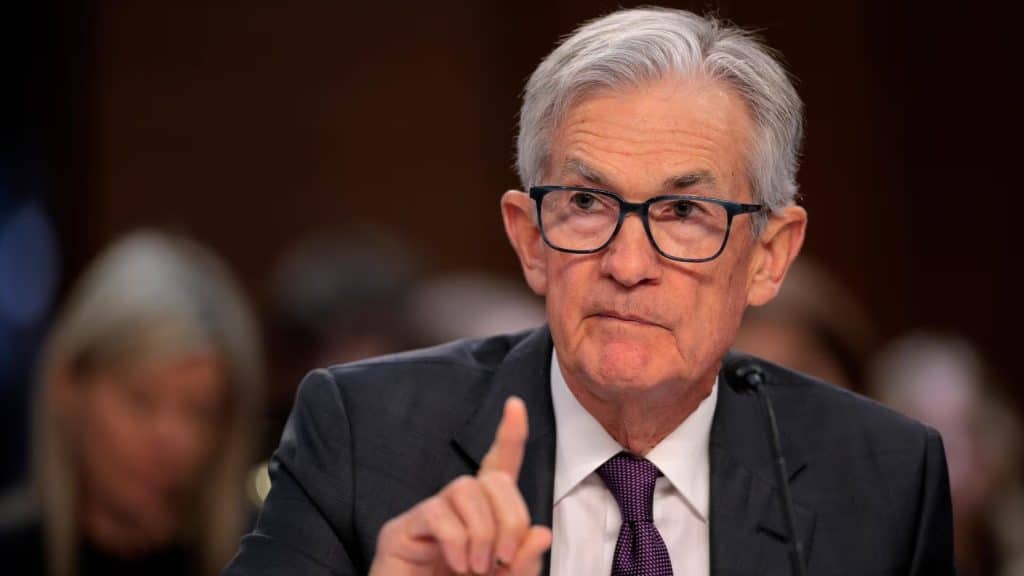


Federal Reserve Chair Jerome Powell emphasized that the Fed has “made no decisions” about a potential interest rate cut in September, as the central bank held rates steady Wednesday for the fifth consecutive meeting, defying President Trump once again.
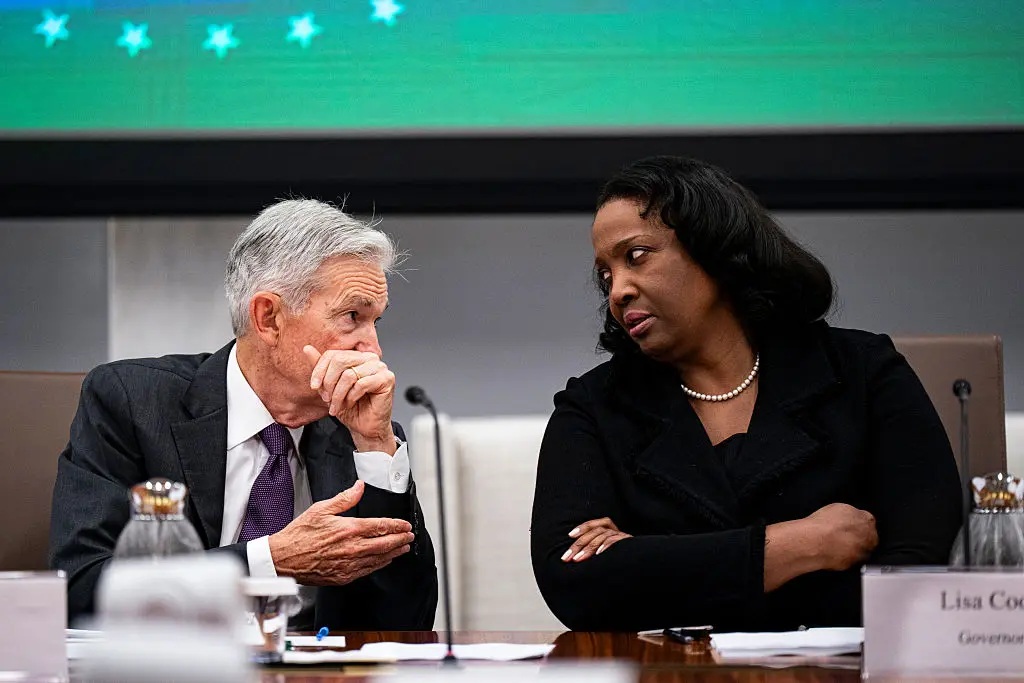
The Fed kept its benchmark rate in the 4.25% to 4.5% range, with two governors—Michelle Bowman and Christopher Waller—dissenting and favoring a quarter-point cut. This marked the first time in over 30 years that two governors dissented together on a policy decision.
At his press conference, Powell said the Fed is still evaluating data and is not signaling any moves at the September 16-17 meeting. He stated, “We have made no decisions about September.” Regarding the dissenters, he added, “What you want from everybody is a clear explanation of what your thinking is, and we had that today. This was quite a good meeting all around the table.”
The rate hold contradicts Trump’s repeated calls for immediate rate cuts, with the president urging lower borrowing costs via social media, writing, “‘Too Late,’ MUST NOW LOWER THE RATE,” and adding, “No inflation! Let people buy, and refinance, their homes!”
Powell stressed the need for patience, saying, “There’s still a long way to go” to understand the tariffs’ impact and calling the situation “still quite early days.” He also highlighted inflation concerns, warning, “If you move too soon, you wind up maybe not getting inflation all the way fixed, and you have to come back. If you move too late, you might do unnecessary damage to the labor market.” He concluded, “In the end, there should be no doubt that we will do what we need to do to keep inflation under control.”
As Powell spoke, traders reduced the likelihood of a September cut to 47%, though Trump remains confident, telling reporters, “I hear they’re going to do it in September.”
The debate over rate cuts is intensifying. Waller, known for advocating earlier easing, argues tariffs cause one-off price rises that the Fed can “look through,” allowing focus on employment goals. He insists his stance is “not political”, despite aligning with the White House’s view. Waller, appointed by Trump, is also considered a potential successor to Powell when his term ends next May.
Bowman, another Trump appointee, similarly supports rate cuts, seeing trade policy as having “minimal impacts” on inflation but warning of growing employment risks. Her stance marks a shift from last fall, when she opposed a large rate cut citing inflation concerns.
It’s been nearly 30 years since two Fed governors dissented together—in 1993 under Chair Alan Greenspan—when both opposed a looser monetary policy.
The decision to hold rates is likely to heighten tensions with the White House, which has recently criticized the Fed’s $2.5 billion headquarters renovation, using it as a point of contention against Powell.
Trump downplayed friction during a recent site visit, saying, “I don’t want to be personal,” and later called firing Powell a “big move” he doesn’t think is necessary. Powell described the visit as a “nice visit” and an “honor” to host the president.
Pressure on the Fed is expected to continue, with calls from Capitol Hill for an “exhaustive internal review” of the Fed’s operations and Republican lawmakers expressing dissatisfaction. House Speaker Mike Johnson recently said he is “disenchanted” with Powell and open to revising the Federal Reserve Act of 1913—though no immediate changes are expected as Congress is in recess.
Senator Tim Scott has requested additional information on the renovation costs, citing discrepancies between public plans and Fed statements. Treasury Secretary Bessent has supported a deep review of the Fed, calling it potentially Powell’s “legacy”, and accusing the Fed of overstepping its traditional role.
At his press conference, Powell defended Fed independence, stating, “Having an independent central bank has been an institutional arrangement that has served the public well,” adding it allows decision-making based on data, not politics. He noted that this principle is “widely understood, at least in Congress.”
When asked about his plans after his term ends next May, Powell said, “I do not have any update for you.” The White House reportedly favors his departure to gain another appointment opportunity.

 Pump Radar
 Stock Alerts