
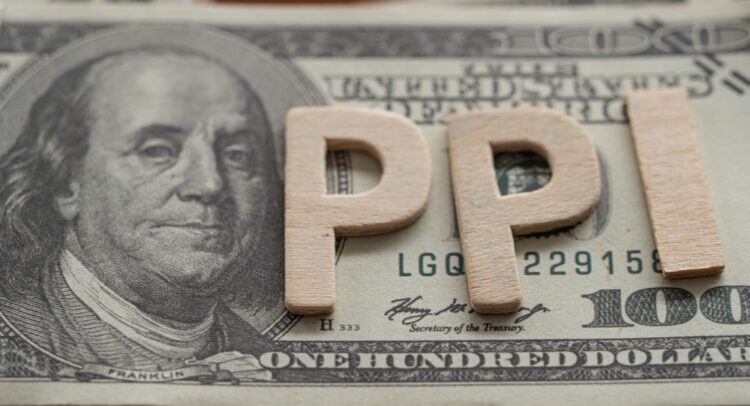


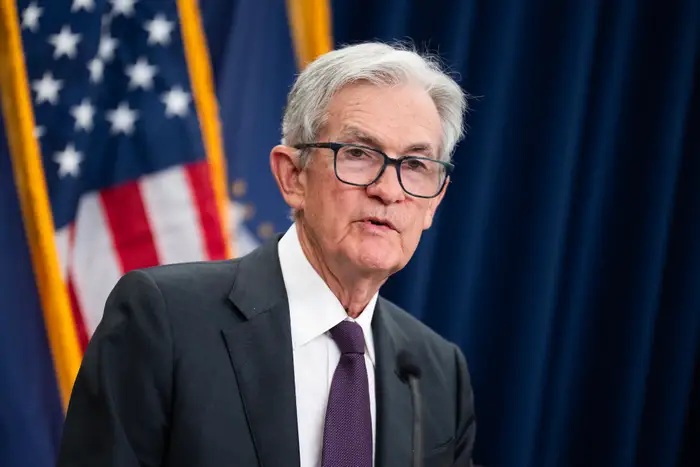
Producer prices in July jumped far more than expected, delivering both investors and the Federal Reserve an unwelcome inflation surprise just over a week before Fed Chair Jay Powell’s pivotal Jackson Hole speech.
The Bureau of Labor Statistics reported Thursday that the Producer Price Index (PPI) rose 0.9% from June—well above the 0.2% forecast. On a yearly basis, prices climbed 3.3%, the highest since February. Core PPI, which excludes food, energy, and trade services, increased 0.6% in July—its largest monthly gain since March 2022—after holding flat in June. Core prices also rose 3.3% year-over-year, matching the overall PPI’s annual pace and marking the highest level since February.
Stocks edged lower after the report, which followed Tuesday’s Consumer Price Index (CPI) release showing inflation largely in line with estimates, but with core CPI at a six-month high. Consumer prices rose 3.1% year-over-year in July, up from 2.9% in June and still well above the Fed’s 2% target.
While CPI captures price changes from the consumer’s perspective, PPI reflects the costs faced by businesses selling goods and services. July’s PPI data suggests that companies are increasingly passing higher input costs—partly tied to tariffs—on to consumers. “While businesses have assumed the majority of tariff cost increases so far, margins are being increasingly squeezed by higher costs for imported goods,” said Ben Ayers, senior economist at Nationwide. “We expect a stronger pass-through of levies into consumer prices in the coming months.”
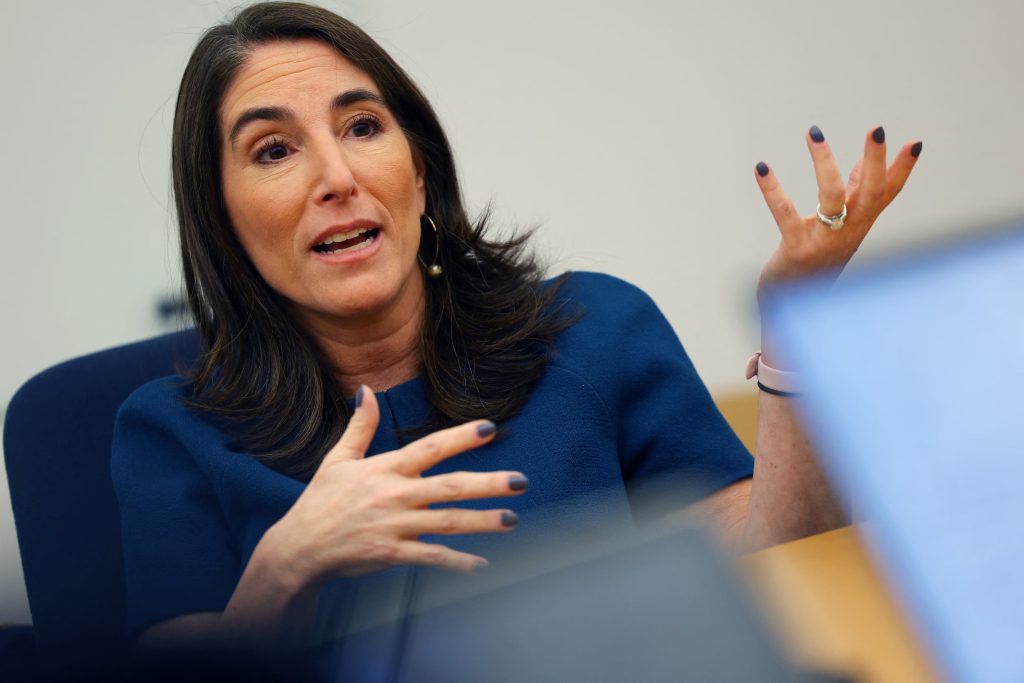
Stephen Brown, an economist at Capital Economics, described the spike in core PPI as driven by “a head-scratching increase in margins for wholesalers and retailers.” He noted, however, that part of the jump in services inflation came from portfolio management fees—linked to the stock market’s rally since April—which is unlikely to alarm the Fed.
Despite the hot PPI reading, markets remain confident the central bank will begin easing rates in September. CME Group data Thursday morning showed a 95% probability of a 0.25% cut next month, down slightly from 100% on Wednesday, when traders assigned a 10% chance of a larger 0.50% move. Powell’s August 22 appearance at the Jackson Hole Economic Symposium is expected to set the stage for a fall rate-cut cycle.
 Pump Radar
 Stock Alerts