
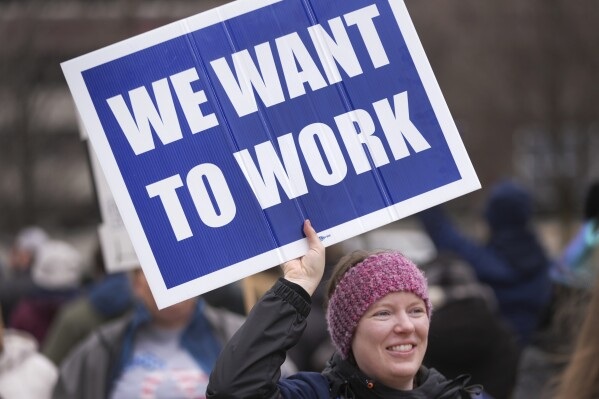


The U.S. labor market showed further signs of slowing in August, with private-sector job growth coming in well below expectations, according to ADP’s monthly report released Thursday. The data suggest the economy may be entering a lower gear after months of steady hiring, adding to growing concerns that labor momentum is softening as the summer comes to a close.
ADP reported that just 54,000 private-sector jobs were added last month, falling short of the 73,000 positions economists had anticipated and down from 106,000 jobs created in July. While growth remains positive, the pace is markedly slower than earlier this year, indicating that the post-pandemic labor boom is losing steam.
Leisure & hospitality and construction led job gains, with 50,000 and 15,000 positions added, respectively. In contrast, other sectors saw notable declines. The transportation & utilities sector lost 17,000 jobs, while education and health services contracted by 12,000, reflecting both seasonal trends and potential structural changes in hiring patterns.
In a statement, Nela Richardson, chief economist at ADP, noted that labor market momentum has been “whipsawed” by a mix of economic uncertainty. “A variety of factors could explain the hiring slowdown,” Richardson said, “including persistent labor shortages, skittish consumer behavior, and disruptions caused by artificial intelligence adoption in some industries.”
ADP’s report arrives just a day ahead of the government’s official August jobs report, which analysts will scrutinize closely for a more complete picture of the economy. The official numbers include government employment, which ADP excludes, and provide critical insights for policy makers and investors alike. The report has drawn additional attention after significant revisions to May and June data prompted President Trump to fire the head of the Bureau of Labor Statistics, the agency responsible for producing the monthly employment report.
Economists suggest that continued softening in the labor market could have broader implications for the Federal Reserve’s monetary policy, potentially increasing expectations for interest rate adjustments later this year. While the unemployment rate has remained low at 4.2%, slower payroll growth may signal that the economy is gradually cooling from a position of strength, which could influence both inflation dynamics and consumer confidence.
Some analysts also point to long-term structural shifts in the labor market. Rising automation, the impact of AI on certain job categories, and evolving workforce expectations are likely contributing to more cautious hiring patterns in traditionally robust sectors like transportation, education, and healthcare. At the same time, sectors such as leisure, hospitality, and construction continue to see strong demand, reflecting shifting consumer behavior and pent-up travel and housing activity.
Overall, ADP’s August report underscores the mixed signals in the U.S. labor market: pockets of strength persist even as broader growth slows. Economists and investors will be closely watching Friday’s official nonfarm payrolls data for confirmation, as the report will help shape expectations for the coming months and provide insight into the broader trajectory of the U.S. economy.

 Pump Radar
 Stock Alerts