
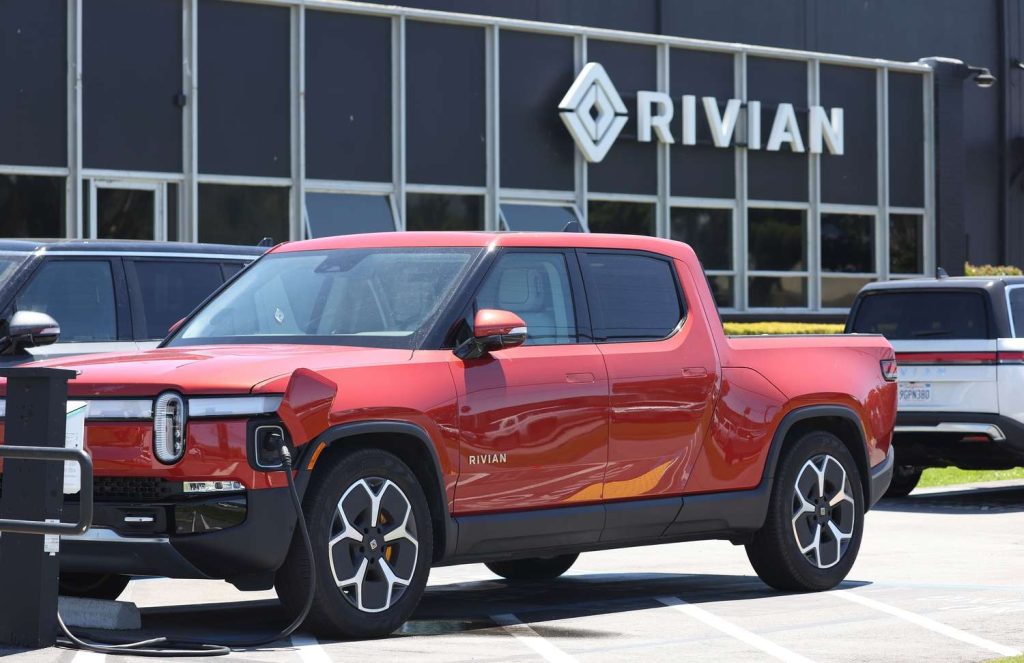


Rivian (RIVN) officially broke ground Tuesday on its highly anticipated factory near Atlanta, Georgia, marking a major milestone for the company as it prepares to scale production of its next-generation electric vehicles. The facility, which Rivian estimates could eventually produce up to 400,000 EVs annually, represents a key step in the automaker’s ambitious growth plans.
The ceremonial shovel event was attended by CEO RJ Scaringe and Georgia officials, including Governor Brian Kemp. While the event was largely symbolic, actual construction is slated to begin in the first quarter of 2026, according to the company, with production of vehicles expected to start in 2028. Current work focuses on preparatory tasks such as connecting electrical and water systems, building access roads, and other infrastructure groundwork.
Rivian projects that the Georgia plant will ultimately create 7,500 permanent jobs, along with 2,000 construction positions during the building phase. As of June 30, the company had already added 47 full-time positions and invested approximately $80 million into the project. Beyond the factory itself, Rivian anticipates the creation of nearly 8,000 additional indirect jobs through local suppliers and vendors, according to external analysis. Emails obtained by TechCrunch earlier this year indicated that Rivian was actively consulting with current suppliers about establishing operations near the Georgia site.
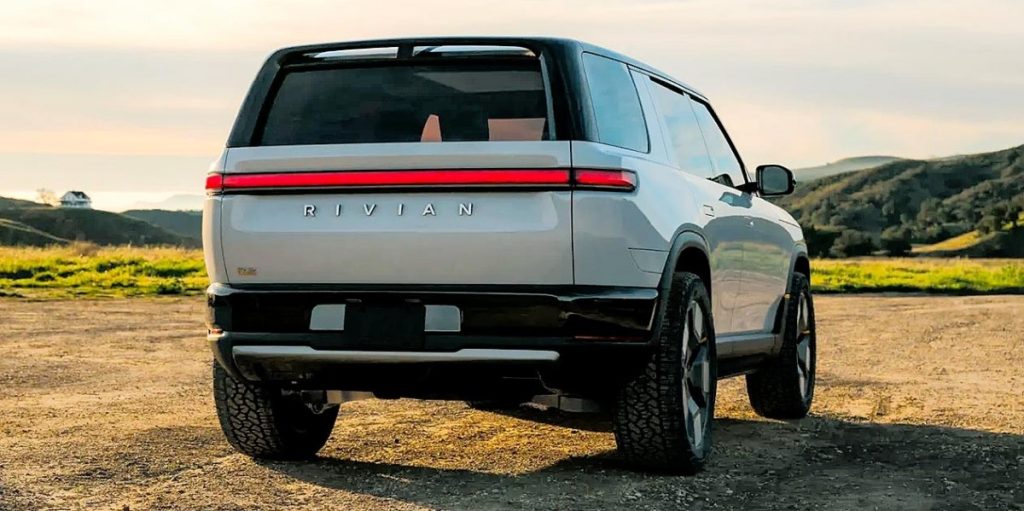
The Georgia factory has been years in the making. Rivian first announced its plans shortly after going public in 2021, seeking a larger facility than its existing Illinois plant, which was constrained in size and limited the company’s ability to scale production of its R1T pickup, R1S SUV, and commercial vans. The $5 billion investment plan for Georgia initially targeted a construction start in 2022, but pandemic-related supply chain challenges and local opposition delayed the project.
In March 2024, Rivian temporarily shifted focus to expanding its Illinois factory to keep production of its next-generation, more-affordable R2 SUV on schedule. Later that year, the Georgia factory plans regained priority when the company neared a $6.6 billion loan agreement with the Department of Energy to fund construction. The agreement was finalized in the closing days of the Biden administration, though funds will only be released once Rivian achieves specific project milestones.
Despite the delays, Tuesday’s groundbreaking signals a renewed commitment to Rivian’s long-term growth strategy, positioning the Georgia factory as a central hub for the company’s next phase of EV production and its efforts to compete at scale in the growing electric vehicle market.
 Pump Radar
 Stock Alerts