
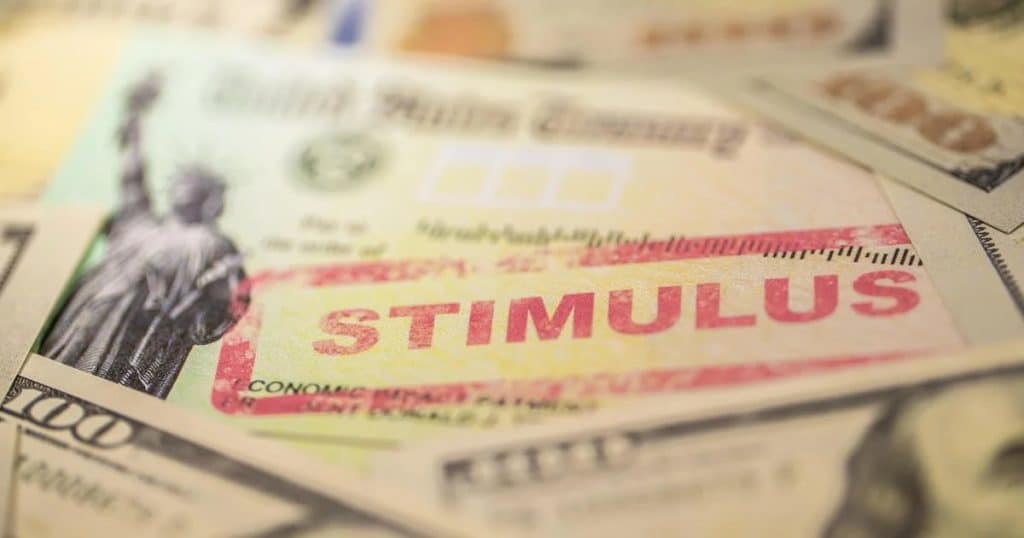


Sen. Josh Hawley (R-Mo.) introduced new legislation Monday that would issue tariff rebate checks to American families, a move reminiscent of pandemic-era stimulus payments and inspired by recent comments from former President Donald Trump.
Dubbed the American Worker Rebate Act of 2025, the bill proposes payments of at least $600 per adult and per dependent child, translating to $2,400 for a family of four. The rebate could be higher if tariff revenues exceed projections. However, households with higher incomes would see phased reductions: joint filers earning over $150,000 and single filers over $75,000 would receive less.
The proposal follows Trump’s statement last Friday, when he said he was “thinking about a little rebate” funded by tariff revenues. Hawley echoed that sentiment, saying the bill would ensure “hard-working Americans benefit from the wealth that Trump’s tariffs are returning to this country.”
The idea isn’t entirely new. Earlier in the year, Trump and Elon Musk floated the possibility of a $5,000 “efficiency dividend” funded by savings from a proposed Department of Government Efficiency—though that initiative has yet to materialize.
According to the Treasury Department, tariff revenues surged in June, totaling $27 billion, a 301% increase from the same month last year. That boost contributed to an unexpected federal surplus for the month. But while the windfall has prompted calls for rebates, not everyone agrees with the approach.
“I would prefer that the revenue was used for deficit reduction rather than just cutting checks to people,” said Alex Durante, senior economist at the Tax Foundation, expressing concern about fiscal responsibility.
Economists warn that while the rebate might offer some short-term relief to households affected by rising prices, it could worsen inflation and deepen the deficit. Joseph Rosenberg of the Urban-Brookings Tax Policy Center noted that rebates could “magnify the inflationary effects” of Trump’s tariffs, particularly since consumers are likely to spend the money quickly, adding pressure to prices.
A new analysis from Yale’s Budget Lab estimates that Trump’s tariffs could cost American households an average of $2,400 in 2025, effectively canceling out the proposed rebate. Critics argue the rebates would merely redistribute tariff-related losses rather than provide lasting economic relief.
Meanwhile, Trump’s recently passed tax and spending package—touted as “one big beautiful” legislation—could add $3.4 trillion to the federal deficit through 2034, according to the Congressional Budget Office.
With inflation, household costs, and national debt all under scrutiny, Hawley’s rebate bill sets the stage for a heated debate over how tariff revenues should be used—and whether checks in the mail are the right solution.
 Pump Radar
 Stock Alerts