



Space Stocks to Watch: Top Companies Leading the Commercial Space Race
The commercial space industry is no longer the stuff of science fiction — it’s one of the fastest-growing sectors in today’s global economy. Driven by satellite deployments, space tourism, and lucrative government contracts, the sector is attracting billions in investment from both institutional and retail investors. As private companies increasingly lead innovations once dominated by national space agencies, market opportunities are emerging that promise long-term growth.
This article explores the top space-related stocks to watch, the key drivers fueling industry expansion, and what investors should consider before jumping into this new frontier.
Top Space Stocks Capturing Investor Attention

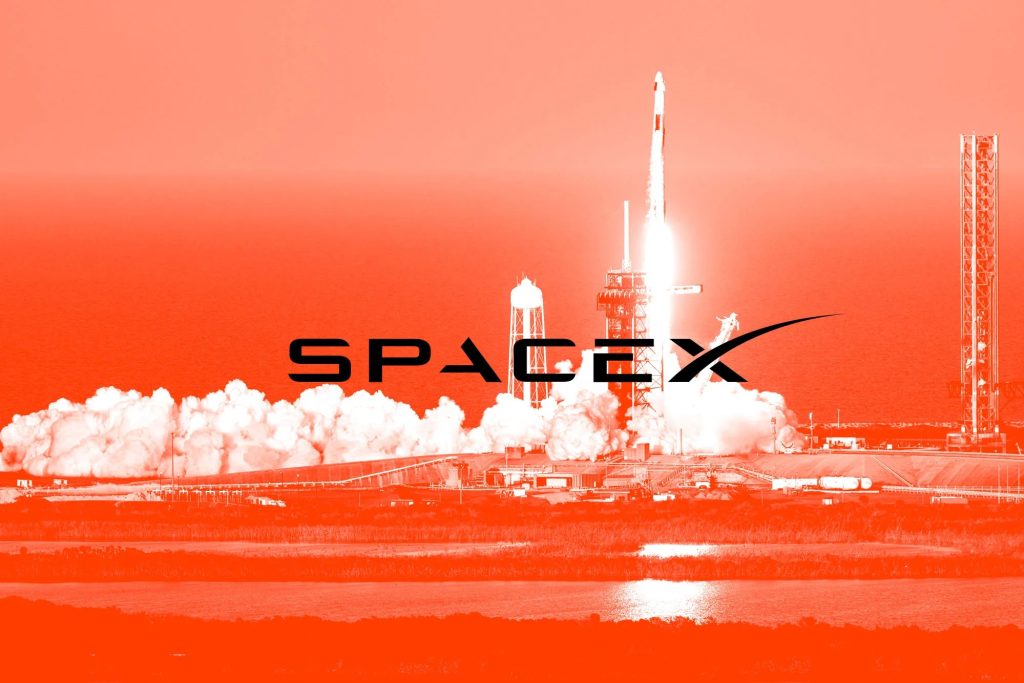
**Note: This image was generated using AI for illustrative purposes only. It does not depict an actual product, location, event, or individual.
SpaceX (Private)
Though not yet publicly traded, SpaceX is arguably the most influential player in the space industry. Founded by Elon Musk, SpaceX has revolutionized rocket technology with reusable launch systems, drastically lowering the cost of space access. Its Starlink satellite internet project is reshaping global broadband delivery, providing coverage to remote areas and disrupting traditional telecom models.
While investors eagerly await a potential IPO, SpaceX’s dominance in both launch services and satellite networks continues to shape the competitive landscape, forcing rivals to innovate quickly or risk falling behind.
Rocket Lab USA (NASDAQ: RKLB)
Rocket Lab has carved out a strong niche as a provider of small-satellite launch services. Known for its Electron rocket, the company has developed a cost-effective and frequent launch cadence that appeals to commercial satellite operators and government clients alike. Shares of Rocket Lab have surged by 25% this year, reflecting growing confidence in its technological capabilities and market positioning.
Rocket Lab is also expanding into spacecraft manufacturing and deep space missions, signaling an ambition to become a full-stack space solutions provider.
Virgin Galactic Holdings (NYSE: SPCE)
Virgin Galactic has redefined the concept of space travel by offering suborbital flights to paying customers. After several years of delays and testing, Virgin Galactic resumed commercial flights, lifting SPCE shares by 18%. The company’s long-term goal is to build a space tourism ecosystem, targeting affluent consumers and, eventually, point-to-point hypersonic travel on Earth.
Although profitability remains distant, Virgin Galactic holds a first-mover advantage in the nascent space tourism industry, making it a speculative but intriguing play for investors.
Maxar Technologies (NYSE: MAXR)
Maxar is a leader in satellite imaging and geospatial data services. Its technology supports defense, intelligence, environmental monitoring, and commercial mapping applications. With rising demand for high-resolution Earth imagery — from military surveillance to climate tracking — Maxar’s stock has climbed 14% this year.
The company’s competitive edge lies in its constellation of advanced satellites and its ability to deliver actionable insights to both public and private sector clients. As global data needs grow, Maxar is well-positioned to capitalize on this trend.
Lockheed Martin (NYSE: LMT)
While best known as a defense contractor, Lockheed Martin has deep roots in space. The company holds major contracts for NASA, the U.S. Space Force, and commercial satellite projects. Its work spans satellite construction, space exploration systems, and missile defense technologies.
Unlike pure-play space startups, Lockheed Martin offers investors exposure to the space sector alongside a diversified defense portfolio, making it a lower-risk option for those seeking stability combined with space growth potential.
Key Growth Drivers in the Commercial Space Sector
“Space is becoming a commercial marketplace, not just a government domain,” explains Sarah Patel, aerospace analyst at OrbitalEdge.
Several key trends are accelerating the commercial space market:
- Satellite Internet Expansion: Projects like SpaceX’s Starlink and Amazon’s Project Kuiper are creating massive demand for satellite production, launch services, and ground infrastructure, all aimed at delivering broadband connectivity to underserved areas.
- Small-Satellite Launch Services: As more industries turn to small, specialized satellites for communication, navigation, and Earth observation, the market for frequent, low-cost launch providers is thriving.
- Space Tourism Growth: Pioneered by companies like Virgin Galactic and Blue Origin, space tourism is capturing public imagination and opening entirely new revenue streams in the consumer space travel market.
Risks and Challenges for Space Investors
Despite the excitement, investing in space stocks comes with significant challenges:
- Capital Intensity: Space ventures typically require large upfront investments, with long development cycles before revenue generation. This puts pressure on startups to secure ongoing funding and manage cash flow effectively.
- Regulatory Complexity: Space activities are governed by international treaties and national regulations, creating a complex legal environment that companies must navigate carefully.
- Execution Risk: For emerging companies, turning cutting-edge technology into reliable, scalable business models is no easy feat. Delays, technical setbacks, or failed missions can have outsized impacts on stock performance.
“Investors should be mindful of execution risk in newer companies,” warns Brian Lowe, space sector strategist at StarCap. “Balancing exposure between high-risk startups and established aerospace giants is a smart strategy.”
Long-Term Outlook: A Frontier of Opportunity
The space industry is projected to grow into a trillion-dollar economy over the coming decades, fueled by advances in launch technology, satellite services, exploration missions, and space commercialization. As governments increasingly partner with private companies and commercial applications expand, the space sector is evolving into a dynamic, competitive market.
Companies that demonstrate innovation, scalability, and operational excellence will likely emerge as long-term winners. For investors, careful selection is key: pure-play space startups offer high-reward potential but carry significant risk, while established aerospace firms provide stability with incremental space exposure.
Conclusion
The commercial space race is well underway, offering investors a front-row seat to one of the most transformative technological shifts of the 21st century. From launching rockets and deploying satellites to enabling space tourism and beyond, the companies shaping this industry present compelling — though sometimes speculative — investment opportunities.
Success in this sector will require not only patient capital but also strategic thinking. By understanding the market dynamics, evaluating key players, and balancing risk across different types of companies, investors can position themselves to benefit from the extraordinary potential of space as the next major economic frontier.



 Pump Radar
 Stock Alerts