
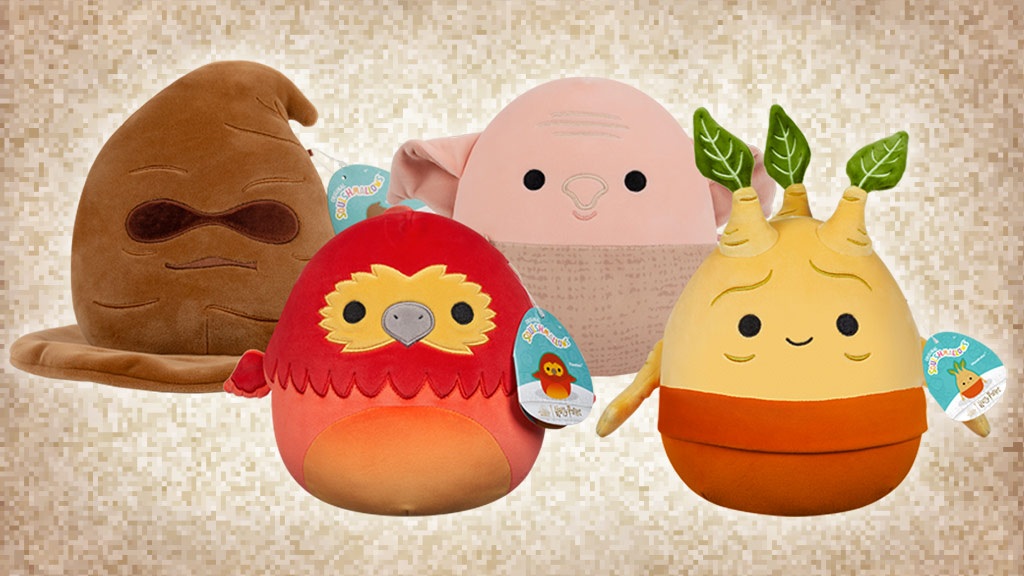


Jazwares, the Berkshire Hathaway–owned company behind the wildly popular Squishmallows plush toys, has officially dropped its high-profile lawsuit against Build-A-Bear Workshop, bringing an end to a closely watched intellectual property dispute in the toy industry. According to a filing made Friday in Los Angeles federal court, both companies jointly requested that the case be dismissed “with prejudice,” a legal term meaning the claims cannot be refiled in the future. The dismissal signals that the two sides have reached a truce, though details of any settlement remain confidential. Attorneys and corporate representatives for both Jazwares and Build-A-Bear declined to comment on the resolution.
The legal battle began last year when Jazwares accused Build-A-Bear of releasing a line of plush toys, branded “Skoosherz,” that allegedly mimicked the look and feel of Squishmallows. In its lawsuit, Jazwares argued that the similarities could mislead consumers into believing the products were connected, diluting the brand identity of Squishmallows and potentially costing the company millions. The complaint sought monetary damages, though the amount was never publicly disclosed.
Build-A-Bear strongly pushed back, filing counterclaims that framed Skoosherz not as copycats but as part of a broader trend of “soft, pillow-like squishie-type toys” that had been popular for years. The company also argued that Jazwares had no enforceable trademark rights in the specific design elements of Squishmallows, challenging the idea that one firm could monopolize the basic style of plush pillows. Despite these defenses, U.S. District Judge Josephine Staton ruled last year that the lawsuit could proceed, finding the products were similar enough that a jury should decide whether consumers could reasonably be confused.
The sudden end to the dispute represents a major turning point for Jazwares, whose Squishmallows have become one of the toy industry’s biggest breakout successes. First launched in 2017, the brand exploded in popularity during the COVID-19 pandemic as collectors shared their purchases on TikTok and Instagram. By 2021, annual sales had surged past $1 billion, and Warren Buffett’s Berkshire Hathaway took notice, acquiring Jazwares’ parent company Alleghany in 2022. The plush toys have since become cultural icons, spawning global demand, limited-edition collaborations, and even discussions of film and television adaptations.
For Build-A-Bear, the legal truce allows the company to move forward without the cloud of litigation hanging over one of its newer product lines. The St. Louis–based retailer, best known for its customizable teddy bears and in-store experiences, has spent the past several years broadening its offerings to stay relevant in a competitive toy market increasingly driven by viral trends and digital fandoms. The dispute over Skoosherz underscored both the risks and opportunities for established players when chasing fast-moving consumer crazes.
While the exact terms of the settlement remain under wraps, the resolution highlights how valuable intellectual property has become in the global toy market, where viral hits can generate billions in sales seemingly overnight. By choosing to dismiss their claims and counterclaims, both Jazwares and Build-A-Bear have opted for a business peace that avoids the uncertainties of a trial. For toy collectors and fans, the truce means Squishmallows and Skoosherz will likely continue to coexist on store shelves — proof that even in the cutthroat world of consumer products, rival brands sometimes prefer compromise over courtroom battles.
 Pump Radar
 Stock Alerts