



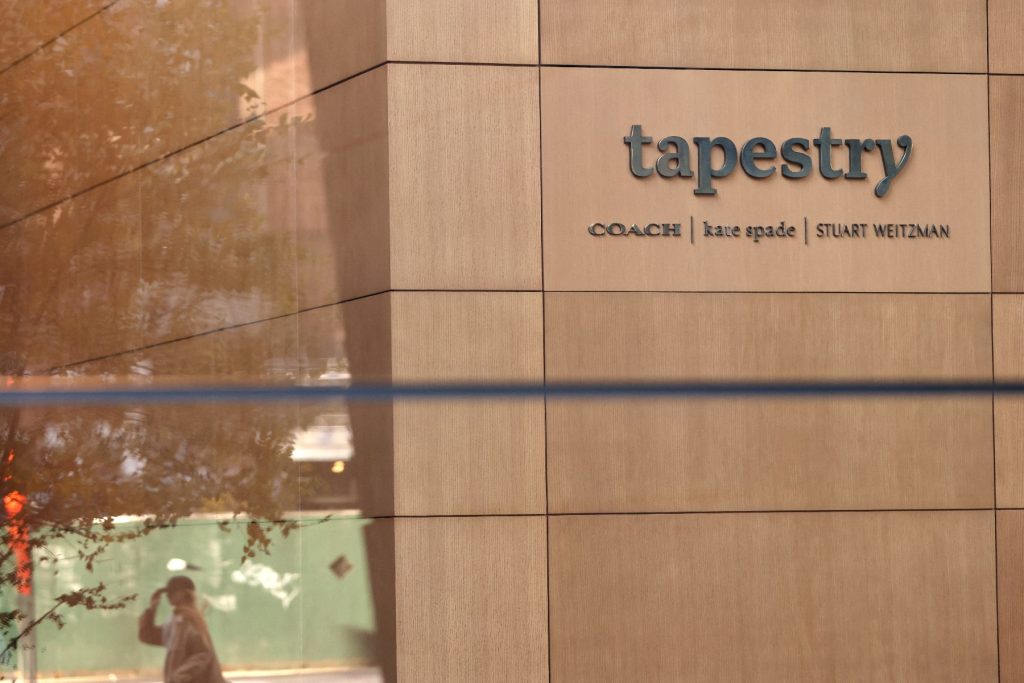
Tapestry Inc., the parent company of iconic brands Coach and Kate Spade, said Wednesday that it expects to completely mitigate the financial impact of current U.S. tariffs by fiscal year 2028, while also unveiling an ambitious plan to repurchase up to $3 billion of its shares over the same period. The announcement came during the company’s investor day, where executives outlined a multi-year strategy to protect margins, support brand growth, and maximize shareholder value despite ongoing trade challenges affecting the luxury accessories market.
Tapestry’s products—including leather handbags, wallets, and accessories—are manufactured in countries such as Vietnam, Cambodia, and India, making the company particularly vulnerable to tariffs imposed under the Trump administration. Last month, Tapestry projected that tariffs could cost the company roughly $160 million in fiscal 2026, with the Kate Spade brand expected to bear a disproportionate share of the expenses. Despite these headwinds, the company expressed confidence that strategic operational measures and long-term growth initiatives would fully offset these costs over a three-year horizon.
CFO Scott Roe told investors on Wednesday, “We would continue to make progress and in fact grow gross and operating margins in FY27 and beyond, and we will fully mitigate the impacts of tariffs through this three-year period.” Tapestry’s executives emphasized that multiple ongoing initiatives—including sourcing adjustments, pricing strategies, and efficiency improvements—would support margin growth and help absorb tariff-related expenses without sacrificing profitability or brand investment.
Coach, the company’s largest revenue driver, is expected to continue fueling growth, with long-term sales projected to reach approximately $10 billion. Meanwhile, Kate Spade, which has experienced slower momentum in recent years, is anticipated to return to “profitable topline growth” by fiscal 2027. CEO Joanne Crevoiserat noted, “We have a number of actions over time that will even make bigger impacts against those tariff costs … So we have great confidence in our ability to grow gross margins, even with the impact of tariffs.”
Looking ahead, Tapestry projected mid-single-digit full-year revenue growth for fiscal 2027 and 2028, along with low double-digit annual increases in adjusted profit per share. These projections take into account current trade policies, including the expiration of the “de-minimis” tariff exemption on low-value goods as of August 1. The company emphasized that careful management of cost structures, combined with continued investments in its key brands, would position Tapestry to navigate trade challenges while maintaining robust profitability.
The $3 billion share buyback plan reflects management’s confidence in Tapestry’s long-term strategy and underscores its commitment to returning capital to shareholders. While the announcement was well received, shares of the company fell as much as 3.4% in afternoon trading on Wednesday, even as the stock has gained roughly 60% year-to-date. Analysts noted that while tariffs continue to pose near-term headwinds, Tapestry’s proactive approach and strong brand portfolio position it well for sustainable growth.
Overall, Tapestry’s investor day highlighted the company’s long-term strategic priorities: mitigating the impact of tariffs, driving Coach and Kate Spade growth, investing in operational efficiencies, and delivering shareholder value through capital return programs. By addressing both trade-related challenges and growth opportunities, Tapestry appears poised to maintain its position as a leading player in the global luxury accessories market over the coming years.

 Pump Radar
 Stock Alerts