

Tesla is moving forward with its autonomous vehicle ambitions after receiving a testing permit from the Nevada Department of Motor Vehicles, clearing the way for the company to begin evaluating its self-driving technology on public streets in the state. The permit, first highlighted by Tesla influencer Sawyer Merritt, comes roughly two months after CEO Elon Musk outlined plans to expand Tesla’s robotaxi program beyond Austin, Texas, into multiple new markets across the U.S.
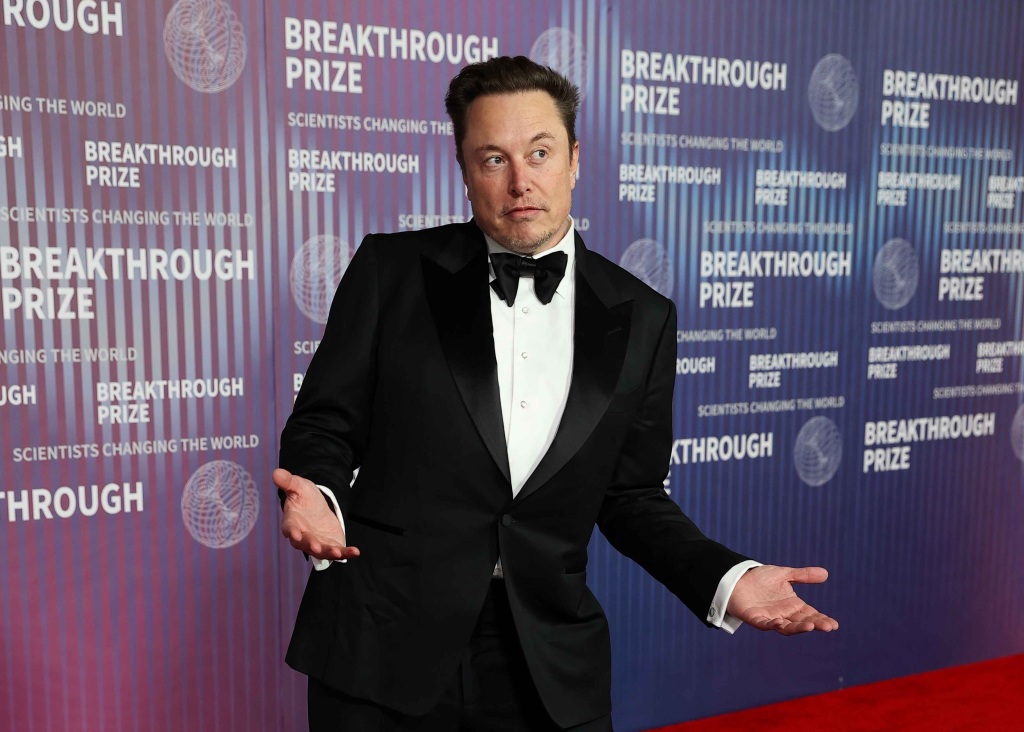
During Tesla’s July 23 second-quarter earnings call, Musk emphasized the company’s ambitious rollout goals. “We are expecting to greatly increase the service area to well in excess of what competitors are doing, hopefully in a week or two. We are getting the regulatory permission to launch in the Bay Area, Nevada, Arizona, Florida, and a number of other places,” Musk said. “As we get the approvals and prove out safety, we will be launching autonomous ride-hailing across most of the country. I think we will probably have autonomous ride-hailing in probably half the population of the U.S. by the end of the year. That’s at least our goal, subject to regulatory approvals.”
Tesla began offering rides in driverless Model Y SUVs in Austin earlier this summer, initially in South Austin with a Tesla employee in the front passenger seat. The service has since expanded to cover more of the city as the company refines its technology and collects operational data.
Entry into Nevada for companies testing autonomous vehicles is relatively straightforward compared with California. Prospective testers submit a Testing Registry permit form, which is reviewed and processed by the state DMV. Once approved, the agency issues a Certificate of Compliance and red license plates for each vehicle listed in the permit. Tesla completed this step on September 3, with the DMV’s Office of Business Licensing confirming the certification Wednesday. While the approval allows Tesla to test AVs on public roads, the company cannot yet deploy a full robotaxi service. “Tesla will still need to complete the self-certification for operations process to be able to rollout with an entire program, i.e., Robotaxi,” DMV spokesperson Hailey Foster explained.
Nevada’s rules require companies testing autonomous vehicles to maintain $5 million in insurance coverage and to report any traffic incidents within 10 days. The state has cultivated a favorable regulatory environment for AV development, drawing attention from multiple companies. Motional and Lyft have tested on public streets in Las Vegas for years, while Nuro operates a closed test track. Meanwhile, Zoox has become the most visible provider of autonomous robotaxis in the city, recently opening its service to the public—although rides remain free until regulatory approval allows the company to charge.
For Tesla to operate a commercial robotaxi business in Nevada, additional regulatory steps are required, including approval from the Nevada Transportation Authority to operate as an autonomous vehicle network company. Nevertheless, the testing permit represents a key milestone as Tesla pushes toward its goal of scaling autonomous ride-hailing across much of the U.S.

 Pump Radar
 Stock Alerts