
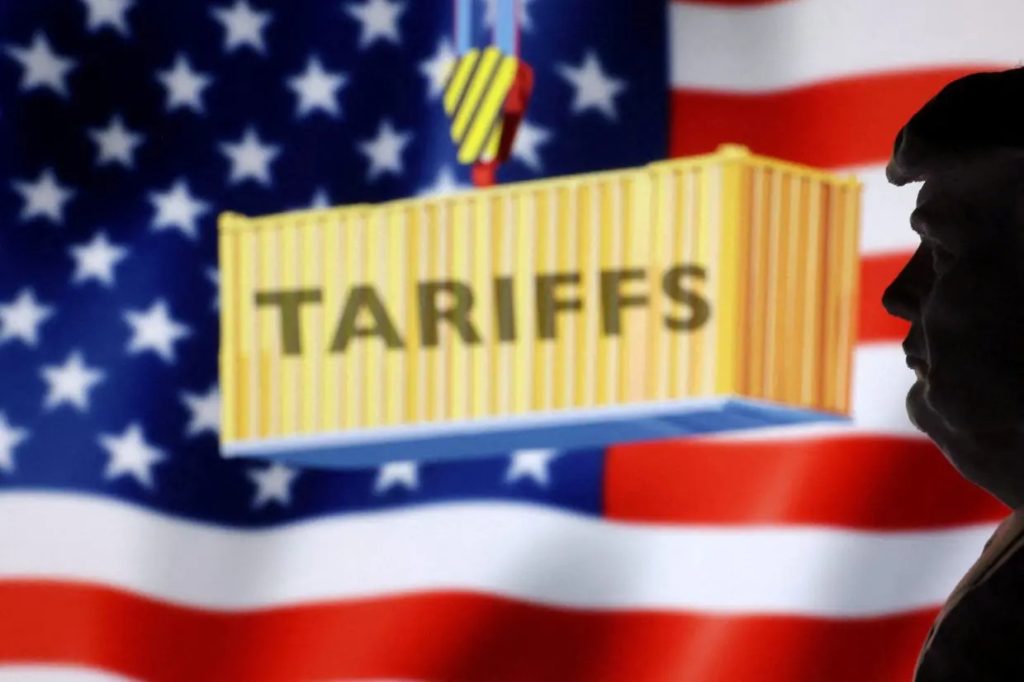


U.S. Treasury Secretary Scott Bessent said he anticipates a significant surge in revenues from the broad tariffs imposed by President Donald Trump, emphasizing that the additional funds will first be directed toward reducing the federal debt rather than issuing rebate checks to Americans.
Speaking on CNBC’s Squawk Box on Tuesday, Bessent indicated that his earlier estimate of $300 billion in tariff revenues for the year would need to be “revised up substantially,” though he declined to provide a specific figure. He noted that while he had not discussed using the funds to provide a direct dividend to citizens with Trump, both he and the president are “laser-focused” on bringing down national debt levels.
“I’ve been saying that tariff revenue could be $300 billion this year. I’m going to have to revise that up substantially,” Bessent said. “We’re going to bring down the deficit to GDP. We’ll start paying down the debt, and then at that point that can be used as an offset to the American people.”
Bessent also expressed optimism about the broader U.S. economy, suggesting it could return to the “good, low-inflationary growth” seen in the 1990s. However, he acknowledged challenges in certain areas, particularly the housing market and lower-income households burdened with high credit card debt, which he attributed in part to elevated interest rates.
A reduction in the Federal Reserve’s key interest rate — which Trump has repeatedly urged — could stimulate homebuilding and help moderate housing prices within one to two years, Bessent said. Supporting this view, the U.S. Census Bureau reported a modest increase in single-family home starts and construction permits in July, despite high mortgage rates and ongoing economic uncertainty.
Trump’s sweeping tariffs have constrained the Federal Reserve from cutting interest rates this year, as most policymakers remain cautious until they are confident the levies will not reignite inflation, which remains below the Fed’s 2% target. Nonetheless, recent signs of softening in the job market have convinced many investors that the Fed is likely to reduce rates by a quarter of a percentage point at its mid-September meeting, helping push mortgage rates lower in recent weeks.
Bessent has previously signaled that a 50-basis-point rate cut could be warranted to support economic growth, particularly in housing, while ensuring that federal debt reduction remains a top priority.



 Pump Radar
 Stock Alerts