
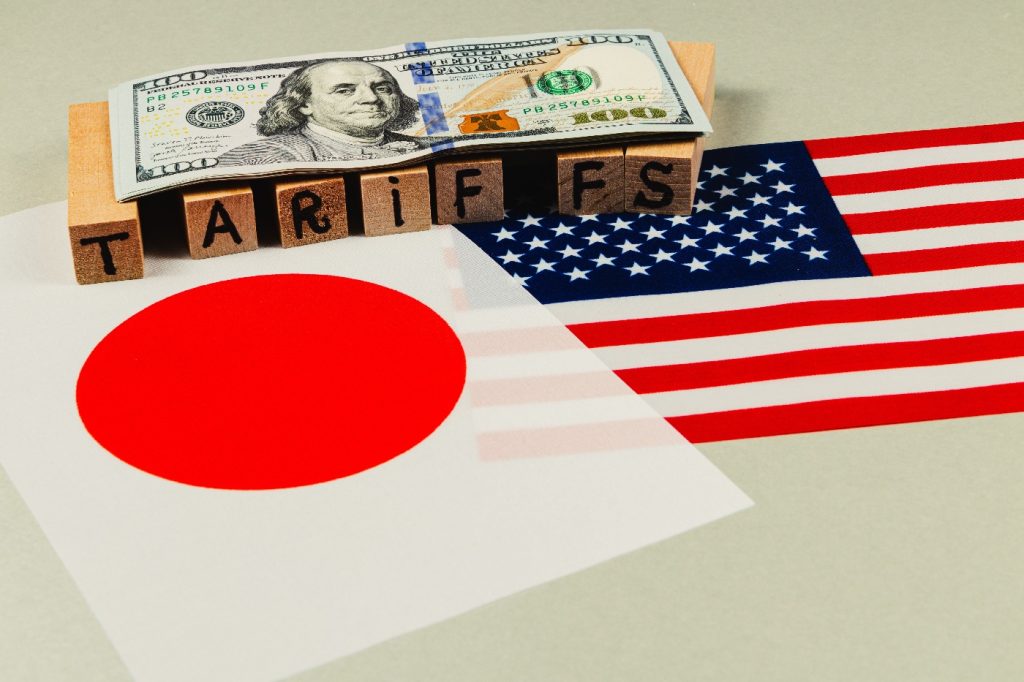


The Trump administration is moving to broaden U.S. tariff powers, unveiling new rules for imported auto parts and metals, revising reciprocal tariffs on trade partners, and introducing a fresh tariff framework with Japan.
On September 17, the Department of Commerce released an interim final rule creating a new inclusion process under Section 232 for cars and auto parts. This system allows U.S. producers to petition for additional imported components to face the existing 25% tariff, with requests accepted quarterly. The first submission window closes October 14.
The department is also accepting inclusion requests for steel and aluminum downstream products through September 29, with a two-week public comment period following each window.
The White House said the move is designed to strengthen U.S. manufacturing and national security by reducing dependence on foreign supply chains.
“These actions protect national security, strengthen supply chains, and support American workers and industries,” the administration stated in a fact sheet.
However, critics warn the expanded process could disrupt automotive and other manufacturing supply chains across North America.
In a September 16 letter, a coalition of over 40 business associations, coordinated by the U.S. Chamber of Commerce, expressed concerns about the changes.
“The sudden expansion of tariffs with limited industry consultation increases costs by generating significant compliance burdens for businesses of all sizes, including those that do not produce steel and aluminum products,” the letter said.
It added, “Manufacturers account for more than half of all U.S. imports, many of which cannot be sourced domestically in sufficient quantities or on schedule. The resulting harm to U.S. employment among downstream producers, including critical industries, could be substantial.”
Separately, on September 5, the administration signed an executive order revising its reciprocal tariff policy, first implemented in April to address what the White House described as a “national emergency” caused by America’s trade deficit.
The updated order added items such as aluminum hydroxide, resin, and silicone to tariff coverage and created the “Potential Tariff Adjustments for Aligned Partners” Annex. This mechanism allows lower tariffs on certain goods—from aircraft parts to agricultural products—if trade partners agree to deals addressing U.S. concerns about reciprocity and national security.
As part of these efforts, the U.S. finalized a trade agreement with Japan, establishing a 15% baseline tariff on most Japanese imports, along with sector-specific rules for autos, aerospace, and pharmaceuticals. The agreement took effect gradually through August and September.
Currently, U.S. tariffs cover goods from more than 90 countries, with rates ranging from 15% on Japan and South Korea to 50% on Brazil and India. Key tariffs include:
- Brazil: 50%
- India: 50%
- Laos: 40%
- Switzerland: 39%
- Canada: 35%
- China: 30%
- South Africa: 30%
- Mexico: 25%
- Japan: 15%
- South Korea: 15%
Critics continue to caution that these expansions may increase costs and logistical challenges for U.S. manufacturers, particularly in the automotive sector, potentially affecting production timelines and employment.


 Pump Radar
 Stock Alerts