
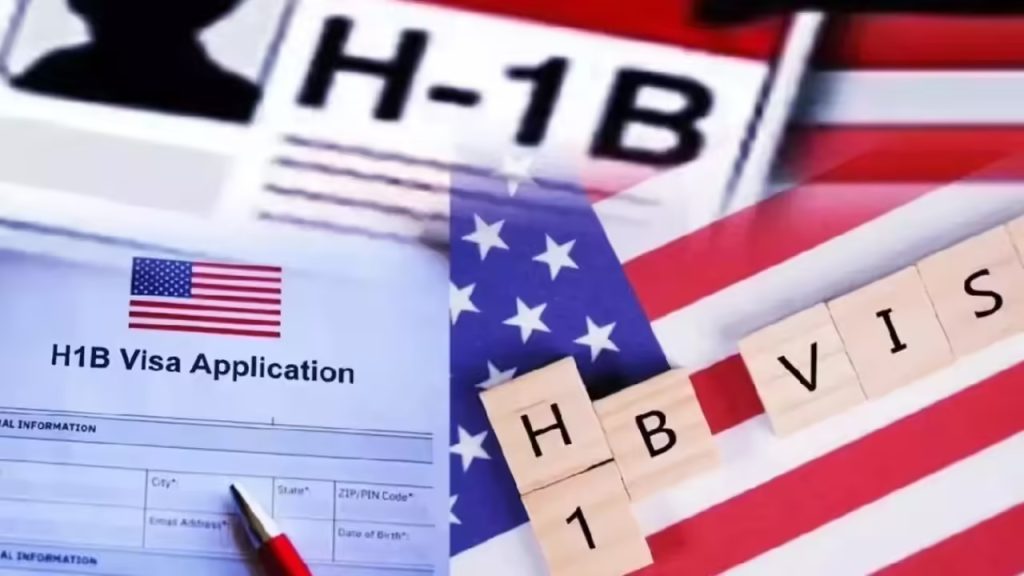


President Donald Trump signed an executive order on Friday introducing a $100,000 application fee for H-1B visas, aiming to curb what his administration describes as overuse of the program.
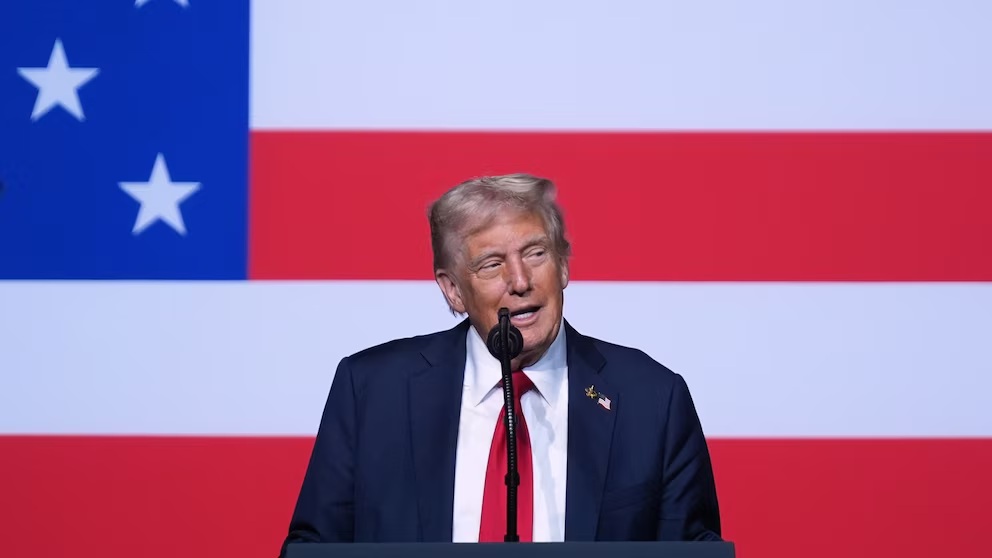
Speaking from the Oval Office, Trump said the measure is designed to encourage companies to hire American workers while maintaining a path for highly skilled foreign employees in specialized fields. The fee will be required for new visa applications under the program.
In a related move, Trump also announced a “gold card” immigration pathway, which would fast-track visas for foreigners who pay $1 million, or allow companies to pay $2 million to accelerate sponsorship for foreign workers.
The actions reflect the administration’s ongoing effort to tighten immigration rules, particularly for industries that rely heavily on H-1B workers, such as the tech sector. The H-1B visa is valid for three years and can be renewed for an additional three years. Economists say the program supports U.S. companies by helping them attract skilled labor and maintain competitiveness.
Commerce Secretary Howard Lutnick noted the administration arrived at the $100,000 annual fee after discussions with companies, though details on whether the total fee would be collected upfront or annually are still being finalized with the Department of Homeland Security.
Trump’s position on H-1B visas has fluctuated over time. He restricted access to foreign worker visas during his first term but has occasionally signaled openness to granting legal status to foreign-born workers who graduate from U.S. universities. Last December, he called himself “a believer in H-1B” visas, noting their value for U.S. companies.
Each year, 65,000 H-1B visas are issued, with an additional 20,000 reserved for advanced-degree holders from U.S. institutions. Demand typically exceeds supply, requiring a lottery system. Many tech firms argue that the program is essential for hiring skilled talent not readily available domestically.
Trump has historically criticized the H-1B program as a tool for companies to replace American workers with lower-paid foreign labor, a stance that has drawn both support and criticism from his political base.

 Pump Radar
 Stock Alerts