
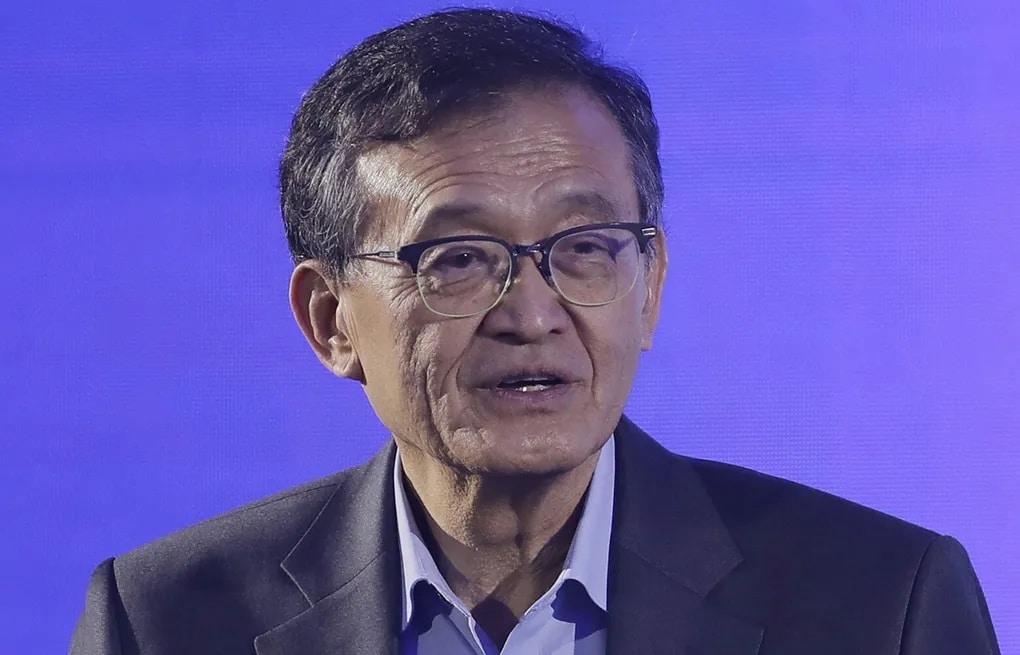


President Donald Trump called for the immediate resignation of Intel (INTC) CEO Lip-Bu Tan early Thursday, citing concerns over Tan’s ties to Chinese companies.
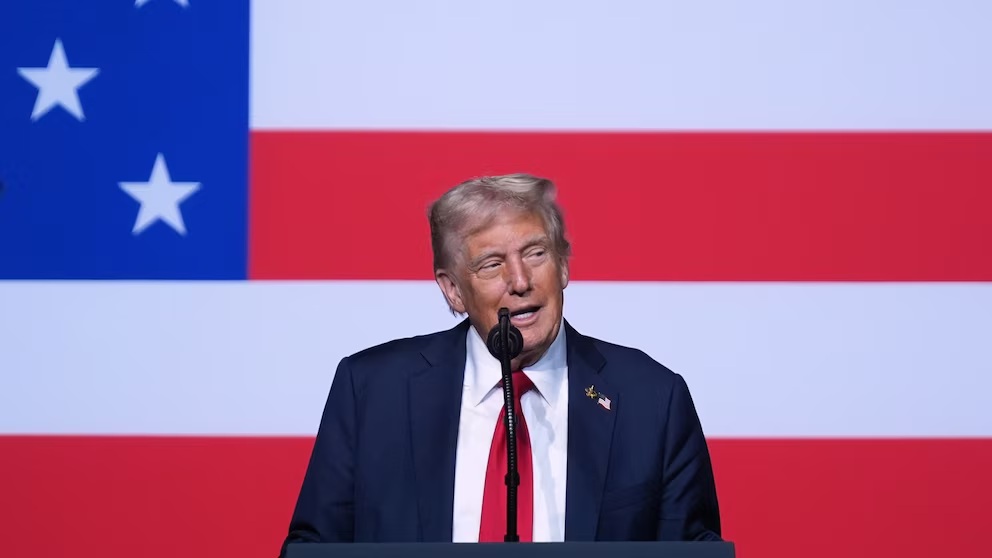
“The CEO of INTEL is highly CONFLICTED and must resign, immediately,” Trump posted on Truth Social, the platform he owns. “There is no other solution to this problem. Thank you for your attention to this problem!”
Tan, who took over as Intel’s CEO in March following Pat Gelsinger’s departure, was initially met with optimism on Wall Street. The company’s stock jumped as much as 15% following the leadership change, and many analysts viewed Tan as the best bet to revive the chipmaker’s fortunes after years of lagging performance in the AI race.
However, shares of Intel fell more than 3% following Trump’s remarks.
In April, Reuters reported that Tan’s venture capital firm, Walden International, holds extensive investments in Chinese tech firms. The report revealed that the firm “remains invested in 20 funds and companies alongside Chinese government funds or state-owned enterprises, according to Chinese corporate databases.”
Tan has held executive roles at more than a dozen semiconductor companies, including a high-profile stint as CEO of Cadence Design Systems.
Trump’s comments followed a letter sent Wednesday by Sen. Tom Cotton (R-Ark.), one of his closest Senate allies, who raised similar concerns in a note to Intel’s board chair. “Intel is required to be a responsible steward of American taxpayer dollars and to comply with applicable security regulations,” Cotton wrote, citing Intel’s nearly $8 billion in CHIPS Act funding. “Mr. Tan’s associations raise questions about Intel’s ability to fulfill these obligations.”
Intel has not yet responded to a request for comment from Yahoo Finance.
While rivals like AMD (AMD), Broadcom (AVGO), and Nvidia (NVDA) have posted stronger year-to-date gains, Intel shares are up just 1.8% in 2025. Last month, the company announced a 15% workforce reduction as part of broader cost-cutting measures to address its ongoing struggles in chip manufacturing.
Intel has attempted to shift toward manufacturing chips for third-party clients in recent years, but the transition has stumbled. Most recently, the company said it would abandon efforts to offer its 18A process node—considered critical by analysts—to external customers. That move dealt a blow to its strategy for competing with global manufacturing leader TSMC (TSM).


 Pump Radar
 Stock Alerts