


Introduction: The Morning Jolt
If you were watching the markets on May 12, you saw it happen in real time: healthcare stocks got rocked, hard – and then bounced back. What triggered the chaos? A new executive order from President Donald Trump targeting prescription drug prices in the U.S.
For investors, it was a rollercoaster kind of day. At the opening bell, pharma stocks tanked on fears of sweeping reforms. But by the time the dust settled, most had clawed back losses – and some even closed green.
Let’s unpack what actually happened, why the market panicked, and what this all means for the future of healthcare investing.

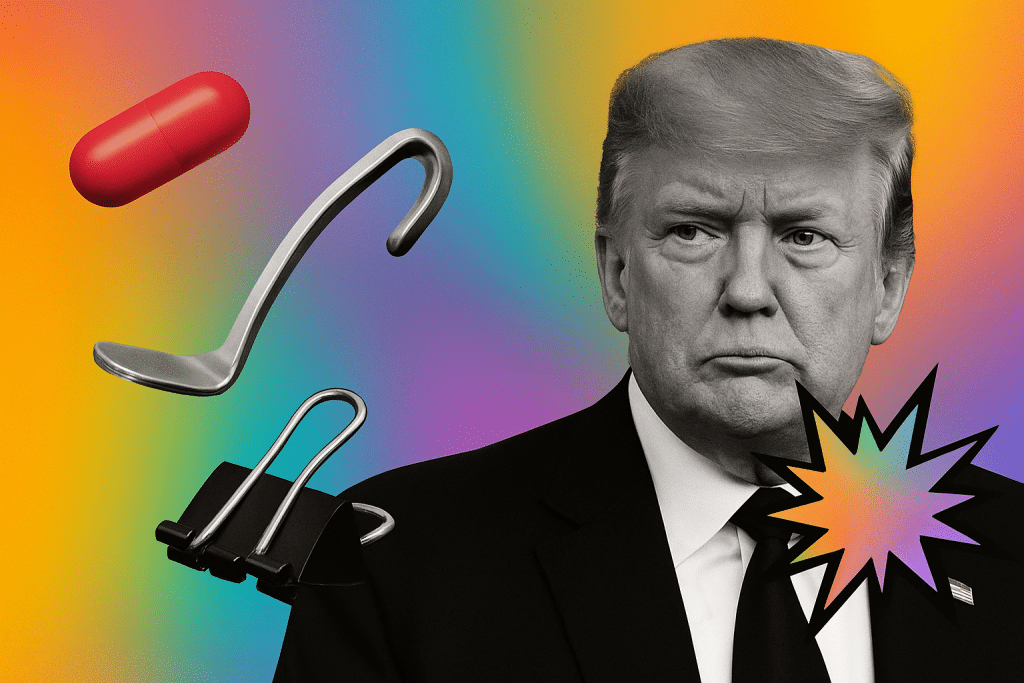
**Note: This image was generated using AI for illustrative purposes only. It does not depict an actual product, location, event, or individual.
What Did the Executive Order Say?
On May 12, President Trump signed an executive order directing pharmaceutical manufacturers to cut prices on American prescription drugs to match what’s paid in other developed countries. It’s what’s known as a “most-favored-nation” (MFN) pricing model.
The idea? If Germany pays $100 for a drug, the U.S. shouldn’t be paying $500. Sounds simple – until you factor in regulation, enforcement, and a whole lot of legal gray area.
The order gave drug companies 30 days to voluntarily comply. There’s no fine print on what happens if they don’t – just talk of future “regulatory action.” Translation: it’s more of a policy nudge than a punch.
Trump previewed the move in a social media post over the weekend, promising “massive price cuts.” That lit a fire under the pharma sector on Monday morning – even before the order’s details were released.
The Market Reacts: Panic First, Read Later
Investors woke up to headlines about the White House cracking down on drug prices. Unsurprisingly, many hit the sell button.
The healthcare sector – normally seen as a defensive play – was suddenly the market’s weak spot. Names like Pfizer , Merck , and Eli Lilly fell fast. So did big middlemen like Cigna and CVS Health , which dropped nearly 6% and 3%, respectively, according to Barron’s.
Biotech indexes also took a hit, dragged down by fears of profit erosion if price caps became real.
But here’s where it gets interesting: by midday, traders realized the order wasn’t as toothy as the headlines suggested. No fines, no implementation plan, no timeline beyond that 30-day request. Just… vibes.
That was enough for bargain hunters to jump in.
By the end of the session, Merck was up nearly 6%, Pfizer gained 3.6%, and Eli Lilly added close to 3%. Even the broader healthcare index rebounded. A total turnaround.
Why the Bounce Back?
Three big reasons:
- No Enforcement (Yet): The executive order asked for voluntary action. That’s not regulation – it’s a warning shot.
- Election-Year Theater: Investors suspected this was more about headlines than actual reform. Trump has floated similar ideas before (like in 2020), and they faced immediate legal challenges.
- Fundamentals Still Intact: Despite the drama, people still need medicine. Aging demographics, strong pipelines, and global demand haven’t changed.
What Does This Mean for Investors?
If you’re holding healthcare stocks, here’s the deal: this isn’t over. Not even close. But it’s not the start of a pharma apocalypse either.
Yes, political pressure on drug pricing is growing. But turning policy ideas into enforceable law is a long road – especially in an election year. The industry’s powerful lobby and past court wins suggest that any aggressive move will be slow, contested, or watered down.
In the short term, volatility is your biggest enemy – and your best friend. Monday was a prime example: panic in the morning, opportunity by the afternoon.
Long term? If you believe in a company’s pipeline, balance sheet, and adaptability, these dips could be chances to build your position.
Winners and Losers
Winners:
- Traders who bought the midday dip.
- Companies less exposed to U.S. pricing (e.g., those with strong international sales).
- Generic drugmakers – pressure on brand-name prices could benefit cheaper alternatives.
Losers:
- Volatility-sensitive biotech names, especially small caps.
- Momentum chasers who bought at Friday’s highs and sold into Monday’s fear.
So… Is Drug Reform Really Coming?
Yes, eventually. But this isn’t the sweeping change some feared. The executive order sounds tough but lacks the tools to actually make it happen – at least right now.
What it does do is signal intent. And when Washington signals something loudly enough, the markets pay attention.
For now, think of this as Act I in a much longer play. Congressional hearings, lawsuits, regulatory proposals, and pharma lobbying are all coming. Until then, this executive order is more noise than nuclear.
Final Thoughts: Read the Fine Print
If Monday taught us anything, it’s this: read before you react. The market doesn’t always wait for facts, but smart investors do.
Trump’s executive order created a headline, triggered a sell-off, and sparked a recovery – all in a few hours. That’s what modern investing looks like.
Stay sharp. Stay skeptical. And when politics meets portfolio risk, know the difference between posturing and policy.
Because in this game, it’s not just about who’s right – it’s about who reacts with the right timing.



 Pump Radar
 Stock Alerts