
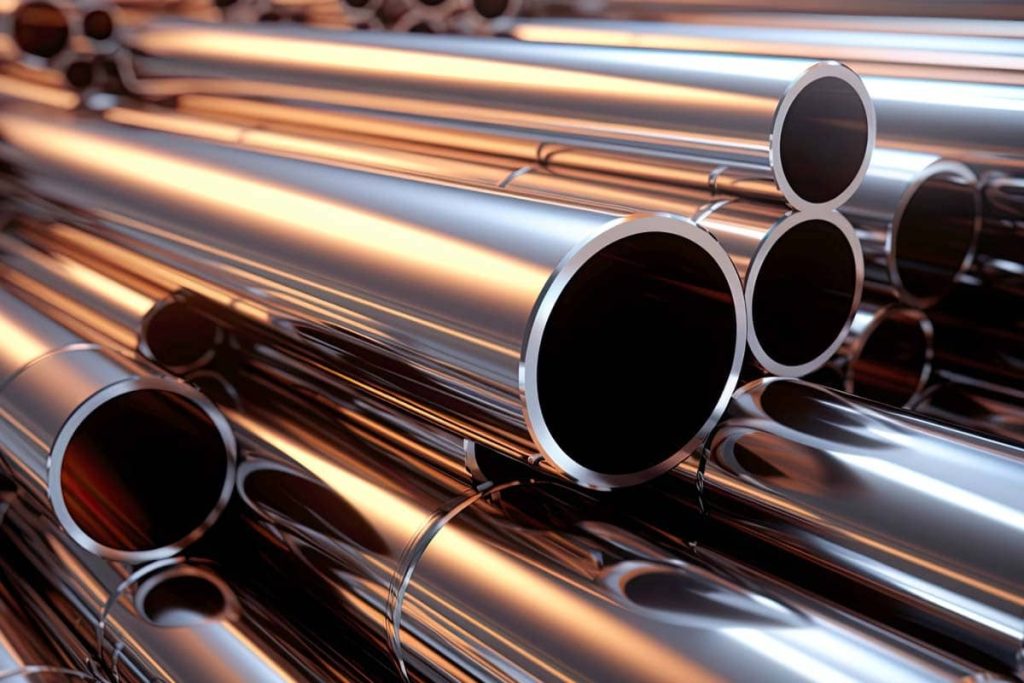


The Trump administration has quietly broadened its 50% steel and aluminum tariffs to include more than 400 additional types of products, dramatically increasing the reach of the trade measures. The new levies, which took effect Monday, extend the tariffs announced earlier this year to cover products such as fire extinguishers, machinery, construction materials, specialty chemicals, and other items containing or derived from steel and aluminum.
“Auto parts, chemicals, plastics, furniture components—basically, if it’s shiny, metallic, or remotely related to steel or aluminum, it’s probably on the list,” said Brian Baldwin, vice president of customs at Kuehne + Nagel International AG, noting the expanded scope on LinkedIn. He called the move “a strategic shift in how steel and aluminum derivatives are regulated.”
The Department of Commerce confirmed that 407 new product categories are now subject to the tariffs. Under Secretary of Commerce for Industry and Security Jeffrey Kessler said, “Today’s action expands the reach of the steel and aluminum tariffs and shuts down avenues for circumvention—supporting the continued revitalization of the American steel and aluminum industries.”
The agency’s release lists affected products only by 10-digit customs codes, making it difficult for the public to determine exactly which items are included. For example, fire extinguishers are listed as “8424.10.0000,” one among hundreds of codes.
Experts warn that the broader tariffs will have a significant impact on the U.S. economy. Jason Miller, a Michigan State University supply chain management professor, wrote on LinkedIn that the expanded tariffs could now affect at least $320 billion of imports based on 2024’s customs values. “This will add more inflationary cost-push pressures to already climbing prices,” he said, pointing to rising domestic producer costs reflected in July’s PPI data.
President Trump has repeatedly used sector-specific tariffs as a central tool of his trade agenda. In June, he announced a doubling of steel and aluminum tariffs to 50% for most countries, creating widespread uncertainty for U.S. businesses and trading partners. The White House has not clarified whether the newly expanded metal tariffs overlap with previously announced country-specific levies.


 Pump Radar
 Stock Alerts