
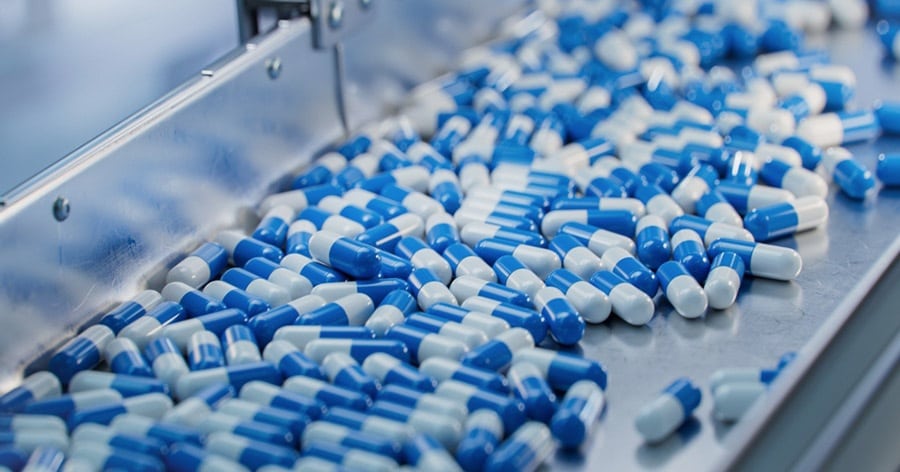


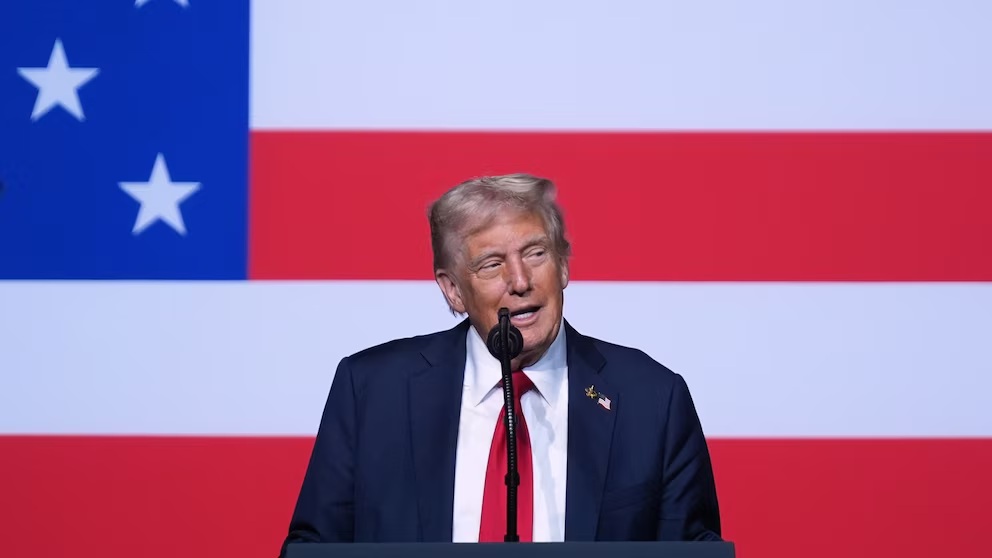
President Trump ramped up pressure on the pharmaceutical industry Thursday by publicly releasing letters sent to the CEOs of 17 major drug companies, demanding they slash prices in the U.S. within 60 days. The letters were posted on his Truth Social platform and sent to leaders at top firms including Eli Lilly (LLY), Pfizer (PFE), AstraZeneca (AZN), and Novo Nordisk (NVO), among others.
The demand centers around implementing a “most-favored nations” (MFN) pricing policy. Under the proposal, drugmakers must match the lowest price they charge in any developed country for the same medications sold to Medicare and Medicaid beneficiaries in the U.S. The approach is aimed at forcing companies to negotiate tougher prices internationally and ending what Trump has repeatedly described as “foreign freeloading.”
“Domestic MFN pricing will require you, and all manufacturers, to negotiate harder with foreign freeloading nations,” Trump wrote in the letter. He emphasized that pharmaceutical firms have long profited from charging American taxpayers and patients significantly more than consumers in other countries and said that would no longer be tolerated.
The letters outline several requirements:
- All existing medications sold in the U.S. must be repriced at MFN levels for Medicaid patients.
- New drugs entering the market must follow MFN pricing for both Medicaid and Medicare patients.
- Companies must also roll out direct-to-consumer (DTC) pricing for all patients, offering more affordable alternatives for those paying out of pocket.
Trump cited the recent example of GLP-1 weight loss and diabetes drugs—such as those from Novo Nordisk and Eli Lilly—as evidence that DTC models can work. In an effort to curb the rise of compounded knockoffs, both companies have recently introduced cheaper vial-based versions of their blockbuster injectables via telehealth partnerships, aiming to make them more affordable for uninsured or cash-paying customers.
The president also named Health and Human Services Secretary Robert F. Kennedy Jr. and Centers for Medicare & Medicaid Services Administrator Mehmet Oz as key figures tasked with overseeing the enforcement and rollout of these changes. “They stand ready to implement these terms,” Trump noted, signaling his administration’s intent to act swiftly.
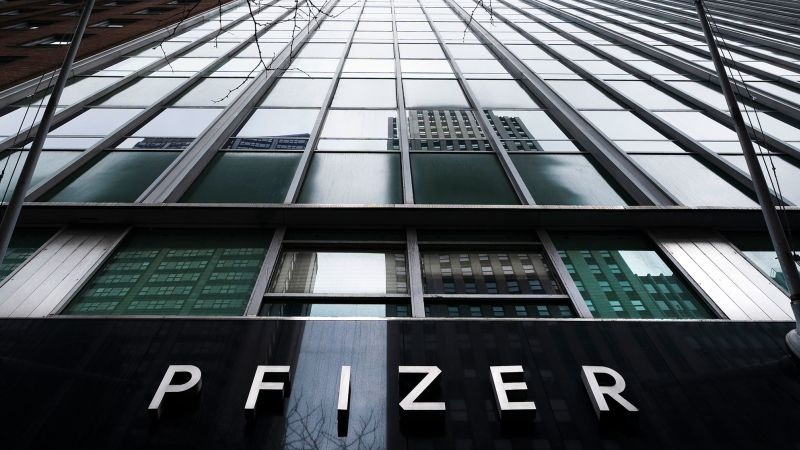
Pharmaceutical stocks reacted quickly to the announcement. Shares of Eli Lilly, Pfizer, AstraZeneca, and Novo Nordisk fell between 1% and 3.5% following the release of the letters.
Novo Nordisk issued a response to the move, stating that it remains “focused on improving patient access and affordability, and we will continue to work to find solutions that help people access the medication they need.” In a statement to Yahoo Finance, the company reiterated its commitment to addressing affordability challenges and supporting patient access.
Trump’s deadline for compliance is September 29, leaving pharmaceutical companies just two months to implement substantial pricing changes or risk federal intervention.
The move comes amid broader efforts by the Trump administration to curb rising healthcare costs and reshape the pharmaceutical industry. It also places further pressure on companies already under scrutiny from lawmakers, regulators, and patient advocacy groups for the high cost of essential medications in the U.S.
With Trump leaning heavily into health policy reforms in the run-up to the 2026 midterm elections, the ultimatum marks both a political and policy inflection point for the pharmaceutical sector. How companies respond over the next 60 days could redefine drug pricing standards across the U.S. healthcare system.
 Pump Radar
 Stock Alerts