



Oil prices eased off earlier gains after the White House suggested that President Donald Trump would decide within two weeks whether to carry out a strike on Iran, easing immediate concerns about a U.S. military escalation.
West Texas Intermediate crude’s more-active August contract rose 0.5% to around $74 per barrel, retreating from earlier highs near $76. The pullback followed comments from White House Press Secretary Karoline Leavitt, who addressed Trump’s decision timeline during a press briefing. Prices had surged on reports that senior U.S. officials were preparing for a potential strike in the coming days.
The White House remarks helped ease market anxiety. “The comments take some of the immediate pressure off,” said Robert Yawger, director of energy futures at Mizuho Securities USA. “It looks like US involvement will not happen today or tomorrow.”
Yawger added that the delay in potential U.S. military action may prevent crude prices from breaking out to new highs, though volatility remains elevated. Prices are still significantly above levels seen before Israel’s strike on Iran earlier this month, with increased option activity and widening premiums for near-term deliveries.
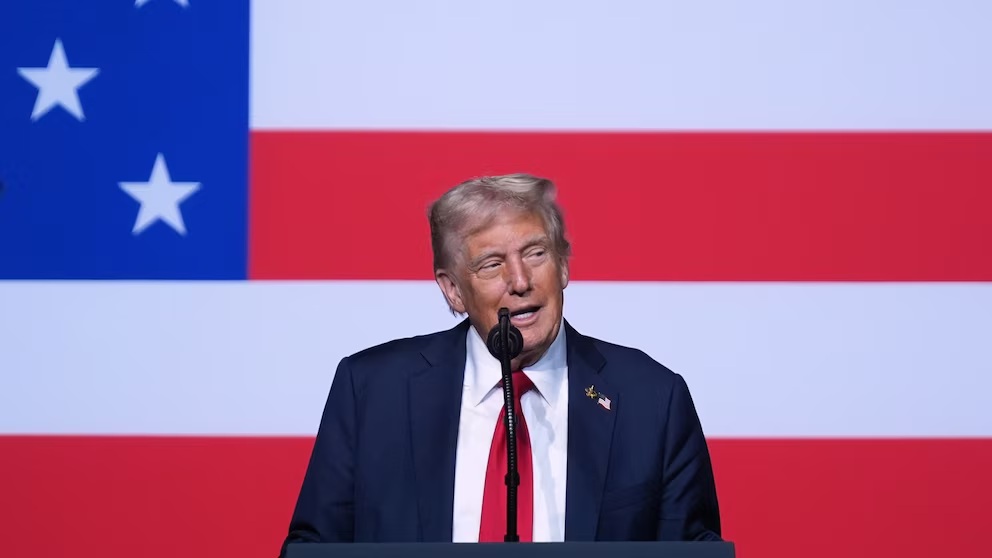
President Trump met with top advisers Wednesday, though the administration provided few details on the path forward. When asked whether he was leaning toward authorizing a strike on Iran, Trump said, “I may do it. I may not do it.” According to The Wall Street Journal, Trump had approved a military plan earlier in the week but stopped short of giving final authorization as he considered whether Tehran would comply with his conditions.
Shell Plc CEO Wael Sawan warned of the consequences for global trade if the conflict disrupts shipping through the Strait of Hormuz—a vital chokepoint between Iran and Oman through which about 20% of the world’s oil flows. “Huge impact” could result, Sawan said Thursday at the Japan Energy Summit & Exhibition in Tokyo, though Shell has contingency plans in place should the situation worsen.
As of now, Tehran has not taken steps to block traffic through the strait. Still, analysts say about $8 per barrel in geopolitical risk premium is currently baked into prices, with the potential for that to climb should the U.S. become directly involved. “We don’t see it as a likely scenario at this time, but given the precarious state that the Iran regime is in right now, I think everybody should be watching” the waterway, said Mike Sommers, president of the American Petroleum Institute, in a Bloomberg TV interview.

 Pump Radar
 Stock Alerts