
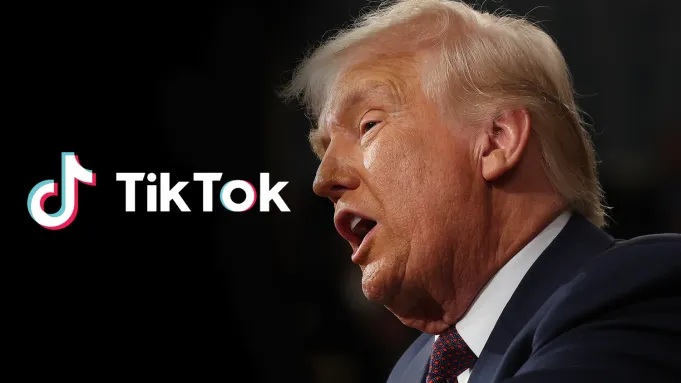


President Trump formally signed an executive order Thursday approving the spin-off of TikTok’s U.S. operations from China-based ByteDance in a deal valued at $14 billion. While the move marks a major milestone in the long-running U.S.-China social media standoff, critical details about how the new American-controlled entity will function—and how user data will be safeguarded—remain unresolved.
The order begins a complex process that will require China’s final approval, the formal closing of the deal, and the implementation of a technical framework robust enough to meet U.S. security standards. According to the White House, these changes are intended to occur with minimal disruption for American TikTok users. However, the path forward is fraught with hurdles. Analysts and policymakers are closely watching three main milestones: defining the corporate structure of the new joint venture, addressing significant technical challenges, and securing approval or acceptance from a wary Congress.
China’s role adds another layer of complexity. Even as TikTok becomes a recurring topic in trade negotiations, Beijing must grant its consent for the spin-off, leaving uncertainty over timing and terms. Hudson Institute China specialist Michael Sobolik expressed skepticism about the process, saying simply, “I’m not sure.” He emphasized that the central question revolves around security—specifically, how Oracle (ORCL), designated as the lead security provider, will protect U.S. user data and maintain control over the app’s algorithm.
Trump defended the plan Thursday, highlighting the involvement of high-profile investors and executives. “We have American investors taking it over, running it, highly sophisticated. Larry Ellison and Oracle is going to play a very big role in terms of security, safety and everything else,” he said. Trump also cited tech and media leaders such as Michael Dell and Rupert Murdoch as part of what he described as a “world-class investor group” supporting the venture.
Under the proposed structure, the new U.S. entity will be majority-owned and controlled by American investors, with Oracle leading alongside venture capital firm Andreessen Horowitz and private equity giant Silver Lake. These investors are expected to hold the majority of board seats, giving them decision-making authority over the company’s operations.
Data privacy and cybersecurity experts stress that establishing “ironclad corporate controls” will be a first step in ensuring that TikTok can operate independently from ByteDance. Lily Li, a data privacy attorney, noted that effective oversight and security will likely depend on the governance structure and the company’s ability to act autonomously from its Chinese parent.
Despite the formal signing, many questions remain unanswered. How exactly Oracle will secure the platform, the timeline for implementation, and the process for final regulatory approval are still unclear. Congress and U.S. regulators are expected to scrutinize the deal closely, raising the possibility of delays or additional conditions.
In short, while Trump’s signing marks a major step toward a U.S.-controlled TikTok, the road ahead is complicated. Legal, technical, and geopolitical hurdles remain, and whether the new structure will deliver on promises of security, independence, and seamless user experience is yet to be seen.
 Pump Radar
 Stock Alerts