
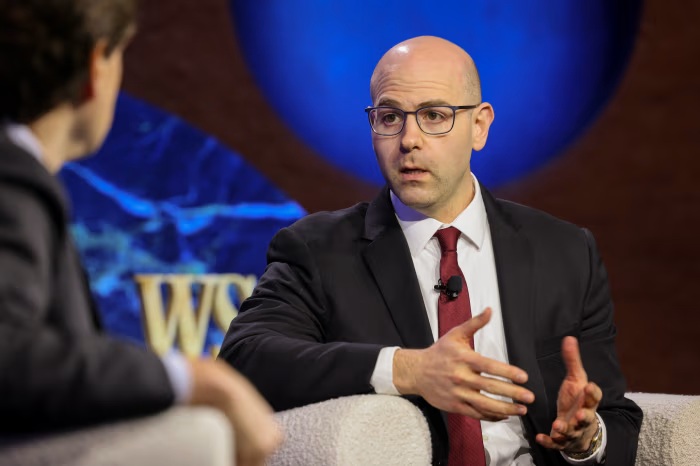


President Donald Trump’s nominee to fill a vacant seat on the Federal Reserve Board of Governors faced sharp Democratic scrutiny Thursday as he defended his independence and outlined plans to retain his White House position while serving at the central bank. Stephen Miran, who currently chairs the White House Council of Economic Advisers, appeared before the Senate Banking, Housing, and Urban Affairs Committee for his confirmation hearing, navigating pointed questions about potential conflicts of interest and the influence of the president on monetary policy.
Miran said he intends to take an unpaid leave of absence from his White House post if confirmed to the Fed, which would grant him a term set to expire at the end of January. He repeatedly emphasized his commitment to central bank independence, pledging to make decisions based on his own analysis rather than political pressures. “If I’m confirmed to this role, I will act independently, as the Federal Reserve always does,” he told Republican Senator Tim Scott, who chairs the committee.
Despite his assurances, several Democratic senators questioned whether Miran could truly remain independent while maintaining ties to the White House. Concerns were heightened by Miran’s own 2024 paper, which proposed reforms to limit the revolving door between the executive branch and the Fed. In that paper, Miran argued that board members should be prohibited from holding executive branch positions for four years after their Fed term to protect independence. Senator Jack Reed of Rhode Island directly challenged Miran, asking whether it was reasonable to expect an individual to be both technically a White House employee and an independent Fed board member.
Senator Chris Van Hollen pressed Miran on whether he would feel pressure to act in ways favorable to his former White House colleagues, particularly if he intended to return to his CEA position after a short Fed term. Miran responded that he had consulted with lawyers and would resign from the CEA post if nominated for a longer Fed term.
Other questions during the hearing touched on politically sensitive topics. Senator Elizabeth Warren asked Miran to state whether he believed Trump lost the 2020 election. Miran avoided a direct response, saying only, “Joe Biden was certified by Congress as the president of the United States.” He also sidestepped inquiries regarding claims that the Bureau of Labor Statistics manipulated jobs data, prompting Warren to accuse him of signaling that he would “do or say whatever Donald Trump wants.”
Miran acknowledged that any perceived erosion of the Fed’s independence could materially affect bond yields and inflation expectations. He noted that while the bond market might not fight the Fed if it lowered rates, confidence in the central bank could be undermined if political interference appeared likely.
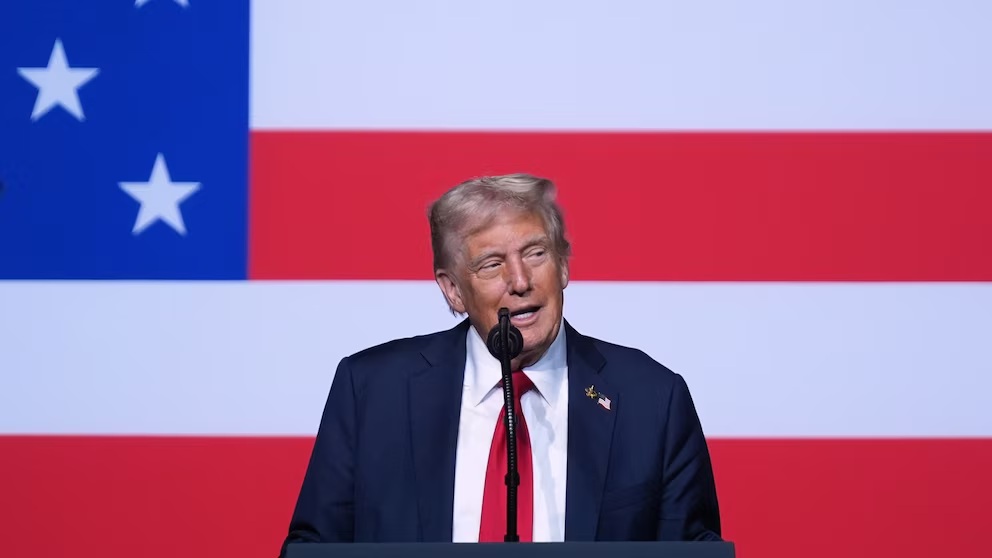
Republicans on the committee signaled broad support, suggesting a swift confirmation is likely. Miran could be seated in time for the Federal Open Market Committee’s Sept. 16-17 meeting, where a quarter-point rate cut is widely anticipated. Trump has repeatedly called for rate cuts, and his two current Fed appointees dissented at the July meeting, favoring lower rates.
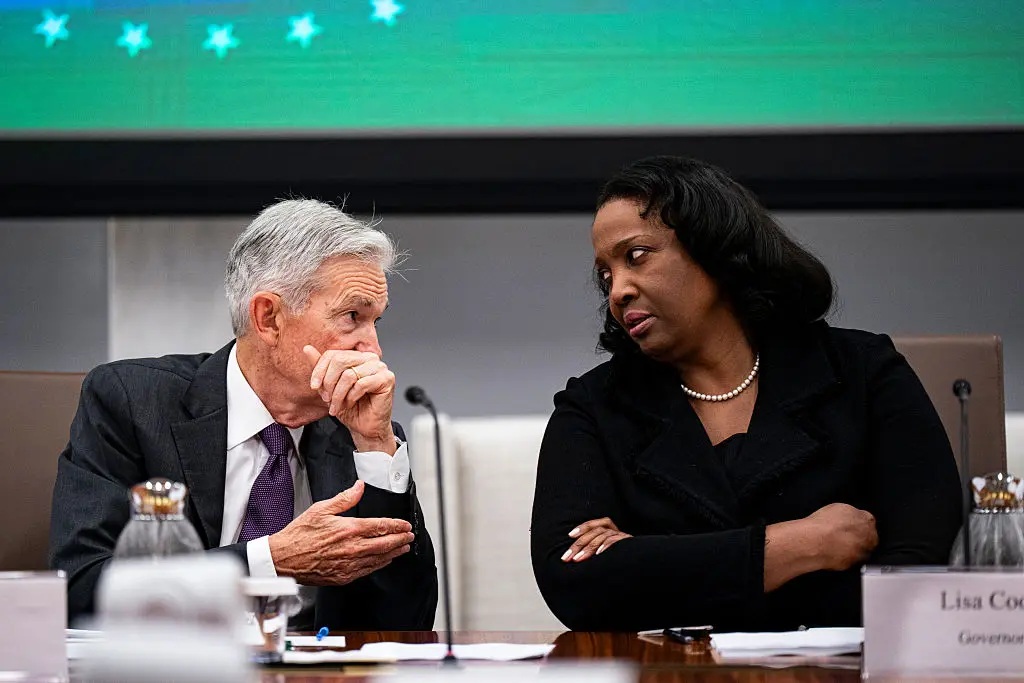
The hearing comes amid heightened concern over Fed independence. Earlier this year, Trump threatened to fire Chair Jerome Powell, and he recently moved to remove Governor Lisa Cook—a decision now being contested in court. Economists note that political insulation of central banks is correlated with lower inflation and stronger long-term economic outcomes globally, making the issue of independence particularly salient.
While Miran had unanimous Republican support when confirmed to his current post, Thursday’s hearing offered the first public opportunity to assess how strongly lawmakers might push back against a Trump nominee. Although several senators emphasized the importance of central bank autonomy, no Republican signaled opposition, reflecting the enduring influence of Trump within the party.

 Pump Radar
 Stock Alerts