
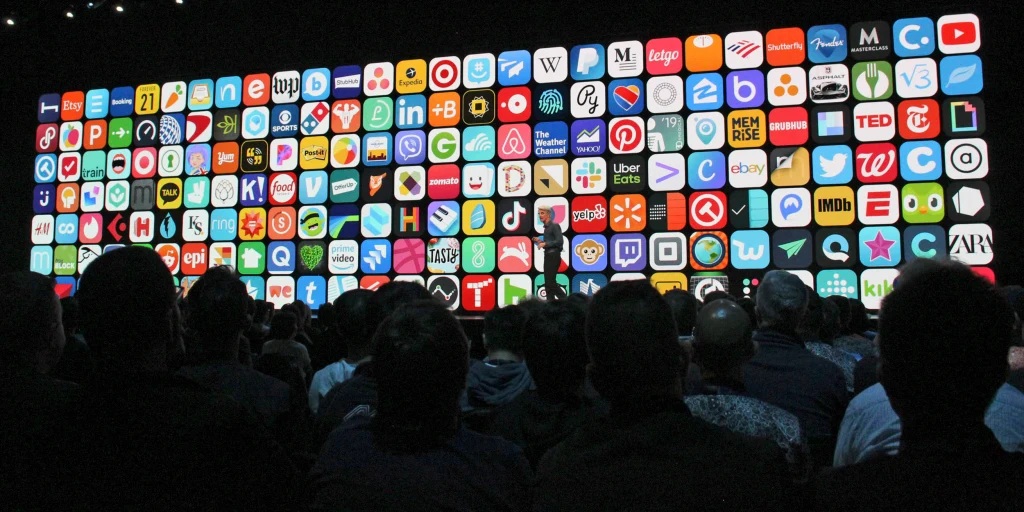


Apple’s Worldwide Developers Conference kicks off Monday with its traditional keynote, featuring a mix of corporate polish and the debut of new versions of iOS, iPadOS, macOS, and other Apple operating systems.
While Apple is famously secretive, early reports suggest this year’s WWDC will emphasize software rather than flashy hardware reveals like past unveilings of the Vision Pro or the Mac Pro with Apple Silicon. If you’re not up to speed, here’s what to watch for as Apple’s pre-recorded presentations roll out next week:
A Fresh New Look Across Apple Platforms
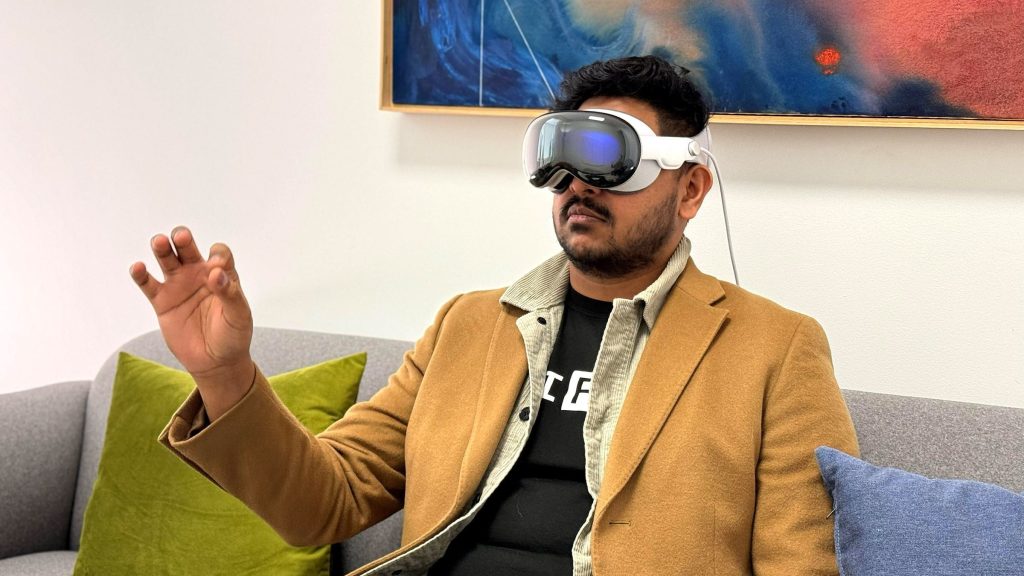
According to reliable reports from Bloomberg’s Mark Gurman, Apple is planning a major visual overhaul of its software, drawing inspiration from the translucent, floating design of visionOS—the interface powering the Vision Pro headset. Expect to see cleaner, more modern UI elements across iOS, iPadOS, and macOS, with updated icons, menus, windows, and system controls designed to simplify navigation and improve usability.
This marks the biggest design refresh for macOS since 2020’s Big Sur update and the most significant iOS/iPadOS visual shift since iOS 7 in 2013. Apple appears to be walking a careful line between modernization and maintaining familiarity—though recent user pushback against the redesigned Photos app shows that getting the balance right isn’t always easy.
New Naming Convention for OS Versions
Along with the redesign, Apple may revamp its versioning system. Instead of sequential numbering (like iOS 18 or macOS 16), the company may shift to a year-based naming format—e.g., iOS 26, macOS 26, visionOS 26, etc.
While this change may initially cause confusion, especially as Apple continues to support older versions (e.g., macOS 14 or 15), it could help users more easily identify the age of their OS and determine whether they’re up to date. It also brings consistency across platforms, especially as newer systems like visionOS and watchOS began with version 1.0.
No Major Hardware Expected
Don’t expect any major hardware debuts this time. Gurman has reported that Apple has “no major new devices ready to ship” in conjunction with WWDC. While Apple has sometimes used WWDC to launch new Macs or platforms, the focus this year is expected to remain firmly on software.
That said, a few hardware updates are still plausible. Apple is reportedly working to expand its smart home ecosystem, and the long-neglected Mac Pro still runs on M2 Ultra while the M3 Ultra has arrived. Still, these are unlikely to take center stage at this event.
Support for Intel Macs: Nearing the End?
It’s been five years since Apple began transitioning away from Intel chips, and two years since it sold its last Intel Mac. The company has remained vague about when full support for Intel Macs will end—but that answer may come soon.
Current beta builds reportedly still run on recent Intel models, though older ones (from 2018–2020) may lose support. If true, this could mark the final macOS version to include Intel compatibility, with future updates limited to Apple Silicon devices. Even if some Intel models remain supported, expect more features to require Apple Silicon.
iPad Multitasking Overhaul
Apple has long struggled to unlock the full potential of its high-end iPad hardware with software that feels more like a laptop replacement. At this year’s WWDC, Apple is expected to take another shot at improving iPad multitasking.
Details are scarce, but changes could build on existing features like Stage Manager or introduce new, macOS-style capabilities. Whether these updates bring the iPad closer to being a true productivity machine remains to be seen.
A Unified Gaming App
Gaming hasn’t historically been a major strength for Apple, but that may be changing. Reports suggest Apple is working on a unified gaming app—similar to Valve’s Steam—that will function as a storefront, launcher, social hub, and achievement tracker.
While Apple’s Game Center still exists in the background, this new app would mark a more deliberate push into gaming. Combined with previous efforts like Game Mode on macOS, improved controller support, and developer-focused porting tools, a unified app could bring Apple’s fragmented gaming features into a more cohesive experience.
Final Thoughts
This year’s WWDC looks to be all about evolution rather than revolution, with Apple focusing on software polish, a visual refresh, and foundational updates to make its platforms more cohesive and competitive. With no major hardware releases expected, all eyes will be on how Apple reimagines the look and feel of its ecosystem—and whether it can balance innovation with user familiarity.

 Pump Radar
 Stock Alerts